



Why External Wall Finishes Matter for Australian Homes
External wall finishes are the protective and decorative layers on your home's exterior. They serve three critical functions: protecting your structure from weather, preventing pest infiltration, and defining your home's visual appeal.
Quick Overview: Popular External Wall Finish Types
- Timber Cladding - Natural beauty, requires regular maintenance
- Stone-Look/Masonry - Premium appearance, excellent durability
- Brick Veneer - Timeless, low maintenance, fire-resistant
- Metal Cladding - Modern aesthetic, highly durable, lightweight
- Vinyl-Look - Budget-friendly, low maintenance, less durable
- Fiber Cement - Versatile, mimics wood/stone, fire-resistant
- Rendered Finishes - Smooth modern look, good insulation
- WPC (Wood-Plastic Composite) - Low maintenance, DIY-friendly, weather-resistant
In Australia's harsh climate—with intense UV exposure, driving rain, and bushfire risk—choosing the right external wall finish isn't just about curb appeal. It's about long-term protection and value. While materials like stucco and vinyl are popular overseas, Australia's unique challenges demand finishes that handle extreme heat, resist moisture, and require minimal upkeep.
The right finish protects your home from moisture infiltration, deters pests like termites, and creates an energy-efficient envelope for year-round comfort. It's not just cladding—it's your home's first line of defense.
This guide breaks down the most popular external wall finishes in Australia, helping you choose what works best for your climate, budget, and lifestyle.
A Guide to Popular External Wall Finishes
Choosing the right external wall finish means balancing beauty with practicality. Let's explore the most common materials in Australia to help you make an informed choice.
Timber Cladding
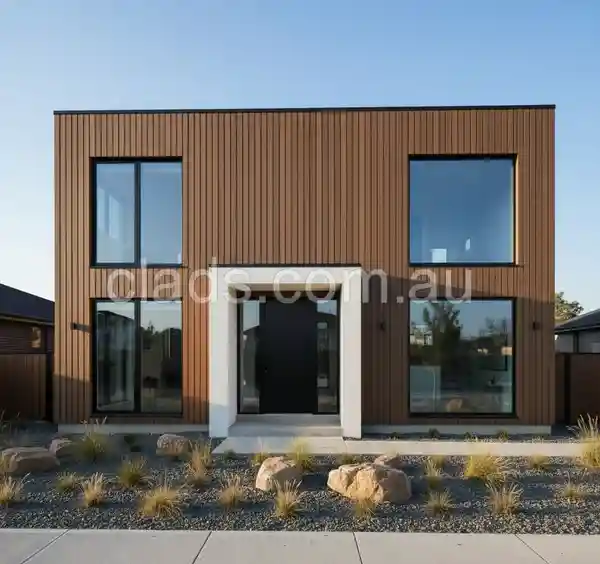
Timber cladding brings natural warmth and character to any home and provides good insulation. However, it demands attention. In Australia's climate, it's vulnerable to rot, insect damage, and fire. You must commit to regular maintenance—sealing, staining, or painting—to prevent weathering and preserve its appearance. Without proper care, its lifespan can be short. The upfront cost can reach up to $5 per square foot, with ongoing maintenance costs adding up. Engineered wood, while more stable, still requires annual cleaning and has a service life of around 25 years.
Stone-Look and Masonry Cladding
For prestige and natural beauty, stone-look and masonry cladding are excellent choices. Each piece has unique variations, creating a distinctive look. Stone offers excellent durability and fire resistance, making it a robust choice for Australian conditions, including bushfire-prone areas. It also provides great insulation and is naturally pest-resistant. The trade-off is cost and weight; stone is heavy and expensive, ranging from $10 to $40 per square foot with installation. This often requires additional structural support, adding complexity. Some types need periodic cleaning or sealing, and traditional masonry may require repointing every 15 years.
Brick Veneer
Brick veneer is a timeless, dependable, and low-maintenance option. It offers exceptional durability, standing up to fire, extreme weather, and time. A key feature is its thermal mass, which absorbs and slowly releases heat, helping to regulate your home's temperature and reduce energy bills. Maintenance is minimal, usually just occasional cleaning. While the upfront investment is higher than some alternatives (around $1 to $3.50 per brick plus professional installation), its longevity makes it a worthwhile choice for a classic look that lasts for decades.
Metal Cladding

Metal cladding offers a sleek, modern aesthetic. Materials like aluminium, steel, or zinc are highly durable, fire-resistant, and impervious to rot and pests. Aluminium is popular for Australian homes, especially in coastal areas, as it's lightweight (8-10 kg/m²) and resists salt spray. Its reflective properties also help keep homes cooler. The downsides? Aluminium can dent, and some metals may rust if not properly maintained. Steel is stronger but heavier and more costly. For a contemporary look with serious durability, metal is an excellent choice.
Vinyl-Look Cladding
Vinyl-look cladding is a budget-friendly option that is lightweight, easy to install, and requires minimal maintenance. However, it struggles with Australia's intense UV exposure, which can cause fading, chalking, and brittleness over time. As a plastic-based material, it is not the most eco-friendly choice and is flammable—a key consideration in bushfire-prone areas. While routine cleaning is sufficient, its aesthetic lifespan under Australian conditions may be shorter than other materials. It can work for a tight budget, but for long-term value, investing more in a durable alternative is often wise.
Fiber Cement Cladding
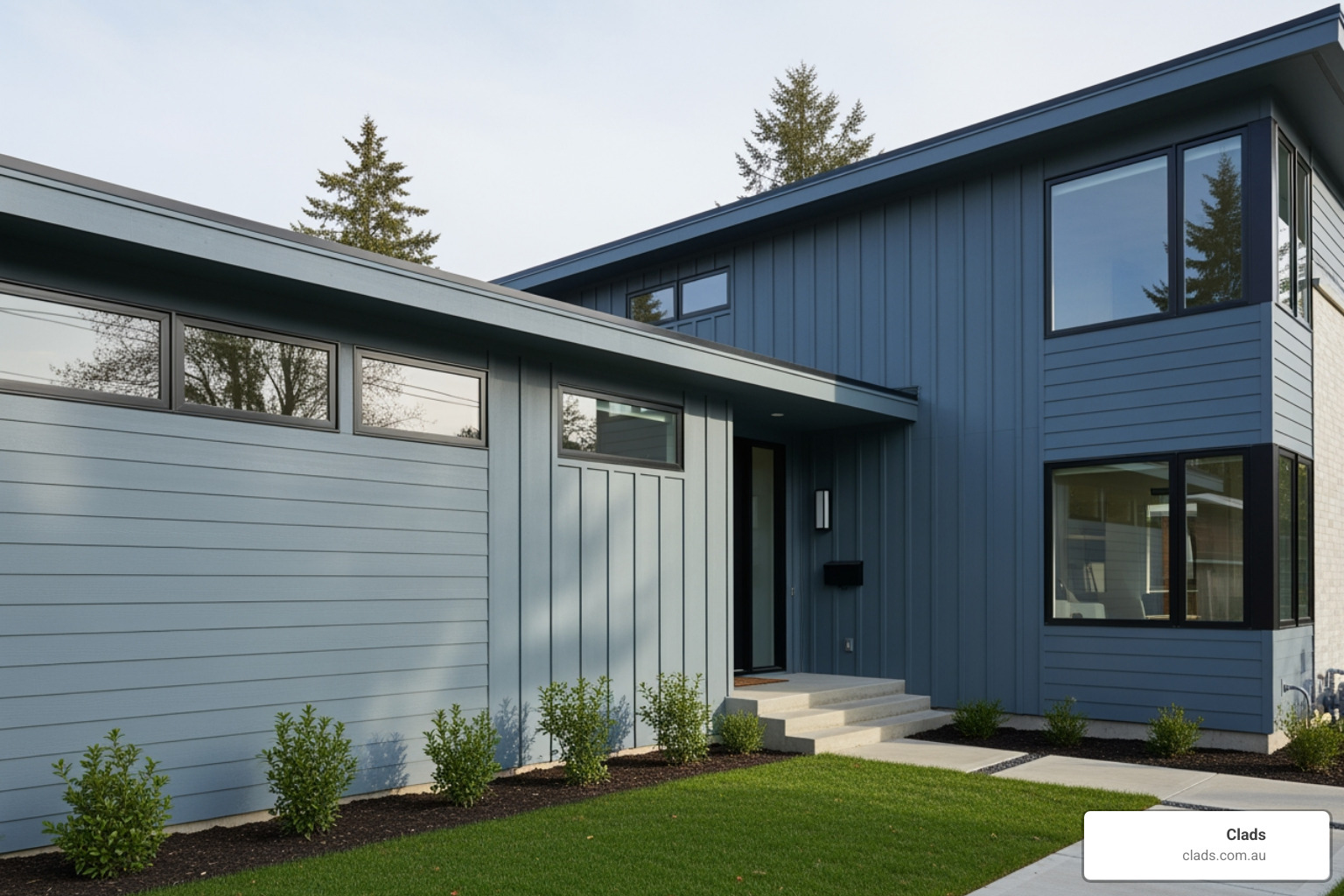
Fiber cement is an increasingly popular choice in Australia, and for good reason. This engineered material mimics the look of wood, stone, or stucco, offering design flexibility without their drawbacks. Its performance is where it truly shines: it's exceptionally durable, fire-resistant (often Class 1A rated), and highly resistant to rot, insects, and moisture. These qualities are invaluable for Australian homes. With a lifespan of 30 years or more, it offers a high return on investment. Maintenance typically involves repainting every 10 years, far less than timber. Though heavier than vinyl and requiring professional installation, fiber cement provides excellent long-term value and peace of mind.
Rendered Finishes and Modern Render Systems
Rendered finishes provide a smooth, seamless look perfect for modern architecture. They are versatile and can be adapted to various styles. Traditional render (like stucco) provides good insulation, helping reduce energy costs. When properly installed, rendered finishes are durable and can last for decades. Modern systems like Exterior Insulation and Finish Systems (EIFS) take this further, with integrated insulation that can achieve U-values as low as 0.28 W/m²·K and reduce energy costs by up to 30%. EIFS are also lightweight and can last 30-50 years. For more background, see Exterior insulation and finish system. The catch is that render can crack if not expertly applied, so professional installation and periodic checks are crucial.
How to Choose the Best External Wall Finishes for Your Home
Picking the perfect external wall finish involves more than just aesthetics. You need to consider your climate, budget, and how much maintenance you're willing to perform. Let's break down the key factors to help you make the smartest choice.
Climate and Environmental Factors
Australia's climate is tough on building materials. What works in one region might fail in another.
- UV exposure: Intense sun across Australia can fade colours and degrade surfaces. Materials must be UV-resistant to avoid looking weathered and worn.
- Coastal homes: Salt spray in coastal areas like Victoria requires corrosion-resistant materials. Aluminium cladding, for example, performs exceptionally well in these conditions.
- Bushfire-prone areas: This is a safety issue. You'll need to consider your property's Bushfire Attack Level (BAL) rating and choose compliant, fire-resistant materials like fiber cement, brick, stone, and certain metals.
- Pests: Termites are a major concern. Cladding should create a barrier to deter them. Materials like fiber cement, metal, and WPC are naturally resistant, unlike untreated timber.
Your local climate should be the starting point for your material selection.
Cost vs. Long-Term Value
When budgeting for external wall finishes, it's crucial to consider the total lifecycle cost, not just the upfront price. A cheap initial option might cost more over time in maintenance and replacement. For example, vinyl-look cladding is inexpensive upfront but has lower durability in the Australian sun. Fiber cement costs more to install but offers a higher return on investment with minimal long-term upkeep. Modern systems like EIFS (insulated render) have higher initial costs but can reduce energy bills by up to 30%, offering significant savings over their lifespan. Smart homeowners look at the total cost of installation, maintenance, and energy efficiency.
Here's a practical comparison to help you weigh your options:
| Finish Type | Upfront Cost | Lifespan (Years) | Maintenance Needs |
|---|---|---|---|
| Vinyl-Look | Low | 20-40 | Low (cleaning), but prone to UV degradation and brittleness |
| Timber | Medium | 15-30 | High (staining/painting, pest control) |
| Fiber Cement | Medium-High | 30-50 | Low-Medium (repainting every 10 years, cleaning) |
| Brick Veneer | High | 50-100+ | Very Low (occasional cleaning, repointing every 15 years) |
| Stone-Look | High | 50-100+ | Low (occasional cleaning/sealing) |
| Metal (Aluminium) | Medium-High | 40-60+ | Low (cleaning), check for dents |
| Render/Stucco | Medium-High | 30-50 | Medium (cleaning, crack repair, repainting) |
| EIFS | High | 30-50 | Medium (cleaning, periodic checks, detailing) |
| WPC | Medium-High | 25-30+ | Very Low (cleaning) |
Materials that seem expensive today often prove more economical long-term.
Maintenance and Durability
Your choice of external wall finish determines how you'll spend your weekends.
- Low-maintenance champions: Brick, stone-look cladding, fiber cement, and WPC require little more than an occasional wash. They resist fading, chipping, and pests. WPC is especially popular for offering the look of wood without the upkeep.
- Medium-maintenance materials: Rendered finishes may need occasional crack repair or touch-up paint. Metal cladding is durable, but joints and fixtures should be inspected periodically.
- High-maintenance finishes: Natural timber is beautiful but demands regular re-staining or painting, plus vigilant checks for rot and pests. If you love the look but not the work, wood-look fiber cement or WPC are great alternatives.
Proper installation is key to longevity. Many modern finishes like fiber cement and EIFS can last 30-50 years or more, but only if installed professionally.
Aesthetics and Architectural Style
Your home's exterior creates its first impression. The external wall finish should complement its character.
- Modern homes suit sleek materials like metal cladding, smooth rendered finishes, or large-format fiber cement panels.
- Traditional architecture pairs well with the timeless charm of brick veneer, classic timber profiles, or the gravitas of natural stone-look cladding.
Fiber cement is uniquely versatile, convincingly mimicking wood, stone, or render to suit almost any style. You can also mix materials for visual interest, such as a stone base with fiber cement upper levels. For more inspiration, check out our exterior cladding ideas.
Finally, always check with your local planning authority, especially if you're in an area like Sunshine, Victoria, with heritage overlays or specific planning controls, as there may be restrictions on materials and colours.
Modern Innovations: Composite and Engineered Solutions
Technology has introduced high-performance external wall finishes that combine natural aesthetics with superior durability and low maintenance, making them ideal for the Australian climate.
The Rise of WPC (Wood-Plastic Composite) Cladding
For those who love the look of timber without the endless upkeep, WPC (Wood-Plastic Composite) cladding is an innovative solution. This material combines wood fibres with recycled plastics to create a finish that looks like timber but offers far greater performance.
The key benefits of WPC include:
- Low Maintenance: It never needs to be stained, painted, or sealed. A simple wash is all it takes to keep it looking great.
- High Durability: WPC is engineered to resist rot, moisture, and termites, which are common issues in many Victorian homes. It's also designed to resist fading from harsh UV rays.
- DIY-Friendly: Many WPC systems are designed for straightforward installation, which can significantly reduce project costs for the home handyperson.
- Eco-Friendly: By using recycled materials, WPC is a more sustainable choice than harvesting virgin timber.
- Aesthetic Versatility: Available in a range of colours and textures that replicate wood grains, WPC can match any architectural style.
Its natural resistance to rot, pests, and moisture gives it a long lifespan and makes it an excellent investment for Australian homes.
Other Engineered Finishes
Beyond WPC, several other engineered solutions offer excellent performance.
- Engineered wood panels provide better stability than solid timber and often come with factory-applied finishes for consistent quality.
- High-pressure laminates (HPL) are incredibly robust, scratch-resistant panels ideal for high-traffic areas. They come in a vast array of colours and patterns with minimal maintenance.
- Advanced panel systems, including insulated and large-format composite panels, offer superior thermal performance and a sleek, modern aesthetic.
The main advantage of these factory-finished products is quality control. The manufacturing process ensures consistent results, reduces on-site waste, and speeds up installation, delivering a high-quality, durable finish.
Frequently Asked Questions about External Wall Finishes
Here are answers to some of the most common questions homeowners have about cladding.
What is the difference between cladding and siding?
Essentially, there is no difference. Both "cladding" and "siding" refer to the external wall finishes that protect and decorate a home. The terms are used interchangeably, though "siding" is more common in North America, while "cladding" is preferred in Australia and the UK. Both describe the same protective and decorative system.
Which external wall finish lasts the longest?
For maximum longevity, masonry options like brick and natural stone are the clear winners, easily lasting 100 years or more with minimal upkeep. They are naturally resistant to weather, fire, and pests.
Other durable options include:
- High-quality metal cladding, which can last for several decades.
- Fiber cement, offering a service life of 30 years or more.
- Modern render systems (EIFS), which can last 30 to 50 years.
However, the lifespan of any external wall finish depends heavily on proper installation and maintenance. Professional installation is crucial for achieving the material's full potential.
How can exterior finishes improve energy efficiency?
Your external wall finishes play a key role in your home's energy performance and comfort. They contribute to efficiency in several ways:
- Insulation: Materials with good R-values (resistance to heat flow) keep your home warmer in winter and cooler in summer. Modern systems like EIFS are especially effective, potentially saving up to 30% on energy costs.
- Reduced Thermal Bridging: Continuous insulated cladding systems create a tighter building envelope, minimizing heat loss through the structural frame.
- Reflectivity: Light-coloured finishes reflect sunlight, reducing heat absorption in summer and lowering air conditioning demand.
- Weather-Tightness: A properly installed finish blocks wind and rain, preventing drafts and air leaks. This means your heating and cooling systems don't have to work as hard, saving you money on utility bills.
Conclusion
Choosing the right external wall finishes for your Australian home means finding the perfect balance between beauty, durability, and practicality. Your ideal finish must stand up to our unique climate challenges—from relentless UV rays to bushfire risks—while reflecting your personal style and budget.
Fortunately, there is a solution for every homeowner. Whether you prefer the low-maintenance durability of fiber cement and WPC or the timeless elegance of brick and stone, the best choice is the one that suits your lifestyle and home. A finish that will protect your home and that you'll still love for decades to come.
If you're feeling inspired, explore our Blog for more ideas and expert guidance. At Clads.com.au, we are passionate about helping Australians find cladding solutions that work. We specialize in trusted, low-maintenance WPC options that combine stunning aesthetics with the durability our climate demands, because your home deserves protection that's as beautiful as it is practical.