



Why Cement Cladding is a Smart Choice for Australian Homes
Cement cladding is a durable, low-maintenance exterior wall covering made from a mixture of cement, sand, and cellulose fibres. It's designed to protect your home from the elements while providing a wide range of aesthetic options, from smooth modern finishes to textured wood-look panels.
Key benefits of cement cladding:
- Highly durable - resists rot, pests, and fire
- Low maintenance - no regular painting or sealing required
- Weather resistant - withstands harsh Australian conditions
- Versatile styles - available in horizontal lap, vertical panels, shakes, and large format boards
- Long lifespan - can last 50+ years with proper installation
- Fire safe - achieves Class A fire rating, ideal for bushfire-prone areas
If you're tired of timber's constant upkeep or want a robust alternative to vinyl, cement cladding offers a perfect balance of performance and appearance. It's a favourite among Australian homeowners as it stands up to our extreme weather, from scorching summers to coastal salt spray.
The beauty of cement cladding lies in its versatility. High-quality fibre cement panels can mimic the look of stone or concrete at a lower cost. Modern manufacturing has also created products that are lighter and easier to install than traditional concrete, yet still deliver exceptional strength.
Whether you're building a new home, renovating, or just tired of scraping and repainting timber, cement cladding deserves serious consideration. At Clads Australia, we specialise in helping homeowners and DIY enthusiasts find the perfect cladding solution, and we can even connect you with trusted installers to bring your vision to life.
What is Cement Cladding and How is it Made?
When we talk about cement cladding, we're often referring to fibre cement cladding, a fantastic composite material that has taken the building world by storm. It's made from a clever blend of components that work together to create a strong, stable, and attractive product.
What Goes Into Fibre Cement Cladding?
Fibre cement cladding is primarily composed of Portland cement, ground sand, water, and cellulose fibres. Each ingredient plays a vital role in the final product.
- Portland cement: The binder that reacts with water to form a strong, stone-like material.
- Ground sand: A filler that provides bulk, density, and strength.
- Cellulose fibres: Typically wood pulp, these fibres add flexibility and tensile strength, preventing brittleness.
- Water: Activates the cement and allows the mixture to be formed into sheets.
- Additives: Included to improve specific characteristics like durability and workability.
The manufacturing process involves mixing these components, forming them into sheets or planks, and then curing them. A common method is autoclave curing, which uses high-pressure steam to accelerate hardening, resulting in a very stable and dense product. This ensures the final product is robust and consistent in quality.
It's important to distinguish fibre cement from precast concrete cladding. While both use cement, precast concrete involves heavier panels of pure concrete, often reinforced with steel. Fibre cement's lighter composition and fibre reinforcement offer different installation characteristics and aesthetic possibilities, making it a popular choice for homes and commercial buildings.
How Has Cement Cladding Technology Changed Over Time?
Fibre cement cladding has evolved significantly since its invention over a century ago. Asbestos fibres were originally used for reinforcement, but the industry pivoted to safer cellulose fibres once the health risks of asbestos became known.
This shift marked a turning point, and modern manufacturing now uses high-performance formulations and advanced techniques. The result is a product that is not only safe but also superior in durability, versatility, and ease of installation.
Looking ahead, innovations continue to push boundaries, with trends toward lighter weight solutions, improved thermal and acoustic properties, and even more realistic imitations of natural materials. This continuous improvement means even better options for protecting and beautifying Australian homes.
Why Choose Cement Cladding for Your Project?
Choosing the right cladding is a major decision that affects your home's protection, appearance, and maintenance for decades. While materials like timber, vinyl, or stone have their place, cement cladding offers an unbeatable balance of performance, longevity, and versatility, especially for Australia's harsh conditions.
Unlike timber that needs constant repainting and termite vigilance, or vinyl that can warp in our heat, fibre cement performs reliably year after year. It's the dependable workhorse that doesn't demand constant attention, making it ideal for busy Australian homeowners and businesses.
What Are the Main Benefits of Cement Cladding?
Cement cladding, especially fibre cement, has earned its reputation through sheer performance. Let's explore what makes it such a compelling choice for Australian buildings.
Durability is at the heart of its appeal. This material is built to last, resisting warping, cracking, and delamination in extreme conditions. With proper installation, you can expect a lifespan of 50 years or more, making it a once-in-a-lifetime investment for your home.
Its resistance to rot and decay is a game-changer, particularly compared to timber. In damp or humid coastal zones, fibre cement simply doesn't deteriorate, swell, or rot the way wood does.
Pest resistance is another huge advantage for Australians. Termites and borers, which can devastate timber cladding, have no interest in fibre cement. This alone can save you thousands in pest control and repairs over the years.
Fire safety is critical in many Australian communities. Fibre cement cladding achieves a Class A fire rating, meaning it's non-combustible and won't contribute to flame spread, providing genuine peace of mind.
Weather resistance is where cement cladding proves its worth in Australia. It handles scorching UV rays, torrential downpours, and coastal salt spray, maintaining its structural integrity and appearance season after season.
The low maintenance requirements are especially attractive. Modern products with advanced colour technology resist fading, chipping, and cracking, freeing you from the endless cycle of scraping and repainting. As one architect noted, "Bugs don't eat it, paint stays on it and it doesn't rot," making it a truly durable and long-lasting choice.
Are There Any Drawbacks to Cement Cladding?
While we're enthusiastic about cement cladding, it's important to have the complete picture. Every material has considerations to be aware of.
Weight is a significant consideration. Fibre cement is denser and heavier than vinyl or some timber options. While not an issue for most modern homes, older structures might need a structural assessment.
Installation requires skill and experience. Unlike some DIY-friendly materials, cement cladding demands proper technique and specialised tools to get the details right. Cutting it also produces fine silica dust, which requires proper safety gear like respirators.
Professional installation is genuinely recommended to ensure you get the performance and longevity the material is capable of. Here at Clads Australia, we don't handle installations, but we're happy to connect you with trusted, qualified professionals who know the material inside out.
The initial cost can be higher than some basic alternatives like vinyl. However, when you factor in the durability, minimal maintenance, and long lifespan, the total cost of ownership is often lower than for materials that require constant attention or replacement.
Its insulation value on its own is low. To improve thermal and acoustic performance, you'll need to incorporate proper insulation and underlayment into your wall system. This isn't a drawback of the material, just a factor to plan for in your overall wall design.
What Styles and Finishes Can You Get with Cement Cladding?
Here's where cement cladding gets exciting. The sheer variety of styles and finishes means you're not locked into one look. Whether you're dreaming of a sleek, ultra-modern home or something with rustic charm, fibre cement can deliver.
The versatility extends to both residential and commercial projects, changing suburban houses and providing robust facades for commercial buildings. A real game-changer is its ability to mimic other materials like wood, stone, or brick at a fraction of the cost and with far less maintenance.
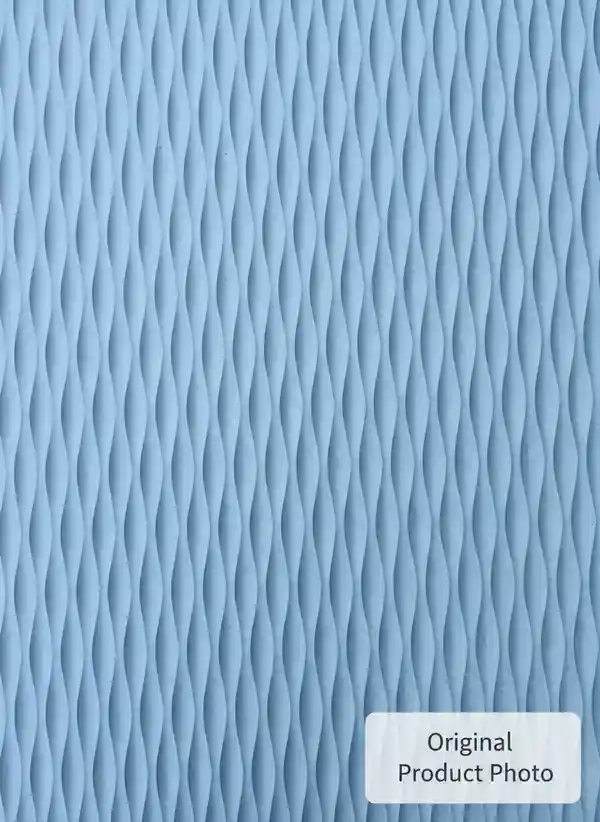
What Types and Styles Are Available?
The range of fibre cement cladding styles is genuinely impressive, giving you plenty of creative freedom.
Horizontal lap siding is a timeless choice, creating the classic weatherboard look perfect for Australian homes. These overlapping planks come in various widths, allowing you to choose the scale that suits your design.
For a more contemporary feel, vertical siding offers a clean, minimalist aesthetic. You can also opt for a board and batten look that adds depth and character, making a home feel taller and more striking.
Shakes and shingles capture the rustic charm of wood without the rot, warping, or pest problems. They can be used on feature walls or entire facades and come in various shapes to add visual interest.
Large format architectural panels are the heroes of modern design. These sleek, bold panels create clean lines and a sophisticated look, often installed with expressed joints for a high-end appearance. Large panel sizes mean fewer seams and a more streamlined finish.
Don't forget soffit panels for the underside of your eaves. Available in vented and non-vented styles, using fibre cement for soffits ensures a cohesive, polished look for your entire home exterior.
How Can You Customise the Look of Your Cladding?
Beyond style, you can make cement cladding your own through texture and colour.
For textures, a smooth finish delivers a crisp, modern look. If you prefer more character, a wood grain texture expertly mimics the natural feel of timber without the maintenance. You can also achieve a stucco or roughcast look for a Mediterranean vibe, or use high-quality panels that mimic stone, concrete, or brick at a much lower cost.
Colour options are equally exciting. Many manufacturers offer pre-finished colours with durable, factory-applied finishes that are baked on for greater resistance to fading and chipping. Some panels are even colour-bodied, delivering a more natural appearance.
If you prefer complete control, many products come primed for painting, giving you the freedom to choose any custom colour. Some manufacturers even offer custom colour matching services. The range is always evolving, with new hues from classic whites to bold, contemporary darks. For even more design inspiration, explore our blog and gallery.
What Should You Know About Installation, Maintenance, and Cost?
Understanding the practical side of cement cladding, from installation to long-term cost, is crucial for any homeowner or builder. Let's walk through what you need to know to set realistic expectations for your project.
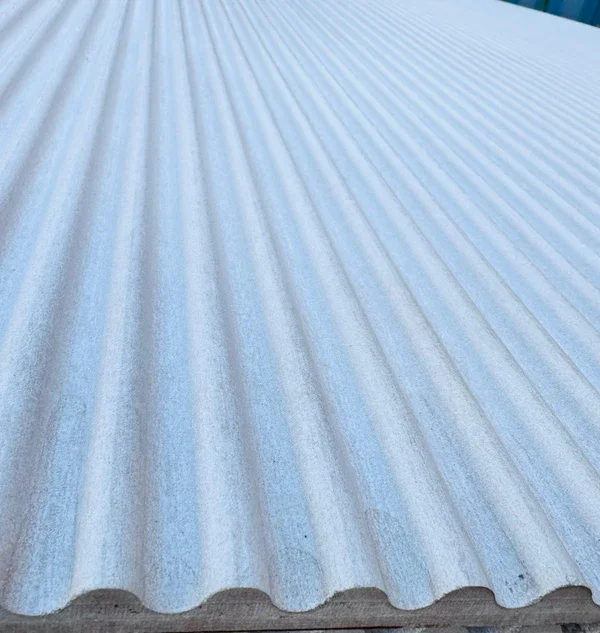
What Is Involved in Installing Cement Cladding?
Installing cement cladding requires precision, the right tools, and an understanding of how to create a weather-tight, beautiful finish.
We strongly recommend professional installation for cement cladding. While many of our customers love a DIY challenge, this job is best left to experts due to the panel weight, specialised tools, and critical detailing required. At Clads Australia, we don't install, but we are happy to connect you with trusted professionals in Sunshine, Victoria, and across Australia.
Handling and cutting fibre cement requires care and specialised equipment to manage the fine silica dust produced. Professionals are well-versed in the necessary safety protocols, including using respirators and eye protection.
Getting the details right at corners, joints, and around windows and doors is where craftsmanship shows. A complete wall assembly, including weather-resistive barriers and proper flashing, is essential to prevent water intrusion while allowing the wall to breathe. This layered approach is what keeps your home healthy and dry.
Fixing systems vary by product, from top hats that create a cavity for moisture management to direct fixing with screws. Your installer will know which system is best for your specific product and situation.
How Do You Maintain Cement Cladding Over Time?
Here's where cement cladding really shines: it's genuinely low maintenance. Compared to timber, it's refreshingly easy to care for.
Cleaning your cladding is straightforward. A gentle wash with warm, soapy water and a soft brush, followed by a low-pressure rinse, is usually all that's needed. Always direct water downwards and away from joints.
Repainting schedules depend on the finish. Site-painted cladding typically needs repainting every 10 to 15 years. Pre-finished products with baked-on colour offer greater fade resistance and last much longer before needing a refresh.
The longevity of cement cladding is impressive, with a potential lifespan of 50 years or more with proper installation and care. This durability is a big part of its excellent long-term value.
Warranty information from leading manufacturers reflects this confidence, typically ranging from 15 to 25 years. Always check the warranty for your chosen product.
How Much Does Cement Cladding Cost?
Understanding the cost of cement cladding means looking at both the upfront price and long-term savings.
Material costs per square metre depend on the panel type, thickness, finish, and manufacturer. A key benefit is that fibre cement can mimic stone or concrete at a much lower cost. Remember to calculate your needs based on "effective cover" (the visible area after overlap), not just the total panel size.
Installation labour costs can be a significant part of your budget, reflecting the skill required. While Clads Australia doesn't provide installation, we can connect you with local professionals for detailed quotes.
Comparing cement cladding to other materials reveals its true value. While the initial cost may be higher than basic vinyl, it's often more cost-effective than natural stone or high-end timber. When you factor in the durability and minimal maintenance, the value proposition is clear.
The long-term value is where cement cladding proves its worth. Avoiding costs like frequent repainting, pest treatments, and rot repair adds up to significant savings over the life of your home, making it a wise investment.
Frequently Asked Questions About Cement Cladding
Is cement cladding waterproof?
Fibre cement cladding is highly water-resistant, but not completely waterproof by itself. It's excellent at shedding water, but relies on a complete wall system to keep your home dry.
Proper installation with a weather-resistive barrier (like house wrap) and correct flashing around windows and doors is crucial. This layered system creates a robust defence against water ingress, protecting your home's structure from Australia's harsh weather.
Is cement cladding environmentally friendly?
Fibre cement cladding has several green credentials. It's made from natural raw materials like sand and wood pulp, and its exceptional durability of 50+ years means less replacement and less waste in landfills.
While manufacturing uses energy, many products now incorporate recycled content, and the industry continues to improve sustainability. Its natural resistance to pests and rot also means it doesn't require chemical treatments to maintain its long, maintenance-free life.
Can you paint fibre cement cladding?
Absolutely! Painting fibre cement cladding is one of its great advantages. Many products come pre-primed, ready for you to apply your chosen exterior paint colour on-site. This gives you complete freedom to match your home's exact colour scheme.
For even less maintenance, some manufacturers offer pre-finished panels with durable, fade-resistant, baked-on colours. Repainting down the track is also straightforward, allowing you to update your home's look whenever you like. Just be sure to follow the manufacturer's guidelines for the best results.
Ready to Explore Your Cladding Options?
We hope this guide has shown what cement cladding can offer. It's one of the smartest choices for any Australian home or business, thanks to our unforgiving climate. The combination of durability, low maintenance, and design versatility makes it an investment that pays off for years to come.
Whether you're drawn to its fire and pest resistance or simply the fact you won't need to repaint every few years, cement cladding ticks all the boxes. With so many styles, textures, and colours available, you'll find something that perfectly matches your vision.
At Clads Australia, we're based in Sunshine, Victoria, and we're excited to help Australian homeowners and DIY enthusiasts find the perfect cladding solution. We know choosing the right material can be overwhelming, which is why we provide expert advice, high-quality products, and friendly service to make the process easier.
Ready to see how cement cladding can transform your home's exterior? Explore our exterior cladding ideas for more inspiration. You can also contact us directly with any questions.
Want to see the quality for yourself? We offer a free sample service, so you can hold the material in your hands and make your decision with total confidence. While we don't install, we're happy to connect you with trusted professionals to bring your project to life. We're here to help you clad your home with confidence.