



Why Finding Affordable Cladding Doesn't Mean Compromising Quality
Cheapest cladding options don't have to mean poor quality. If you're upgrading your home's exterior on a budget, you have several solid choices that balance upfront cost with long-term value.
Quick Answer: The Most Affordable Cladding Materials in Australia
- uPVC/Vinyl - $20-$30 per m² (lowest upfront cost, 15-20 year lifespan)
- Metal (Aluminium/Steel) - $50-$100 per m² (durable, low maintenance, 20+ year lifespan)
- Fibre Cement - $40-$70 per m² (best value, 30-50+ year lifespan)
- WPC (Wood-Plastic Composite) - Moderate cost (low maintenance, DIY-friendly, 25+ year lifespan)
Cladding is essential for your home: it protects walls from harsh Australian weather, improves curb appeal, and insulates to reduce energy bills.
However, the cheapest upfront price isn't always the most cost-effective. A material that costs less today might require frequent repairs or early replacement, so smart homeowners consider the total lifetime cost.
This guide breaks down Australia's most budget-friendly cladding materials, comparing their real costs, maintenance, and durability. Whether renovating or building new, you'll find practical advice to make an informed choice that fits your budget without sacrificing quality.
Unpacking the Most Budget-Friendly Cladding Materials
Let's get into the details of what makes each affordable cladding material tick. When you're hunting for the cheapest cladding options, you're not just looking at the price tag—you're weighing up performance, maintenance, and long-term appearance.
Think of this as your practical guide to the most wallet-friendly materials that won't leave you with regrets.
uPVC and Vinyl Cladding: The Lowest Upfront Cost
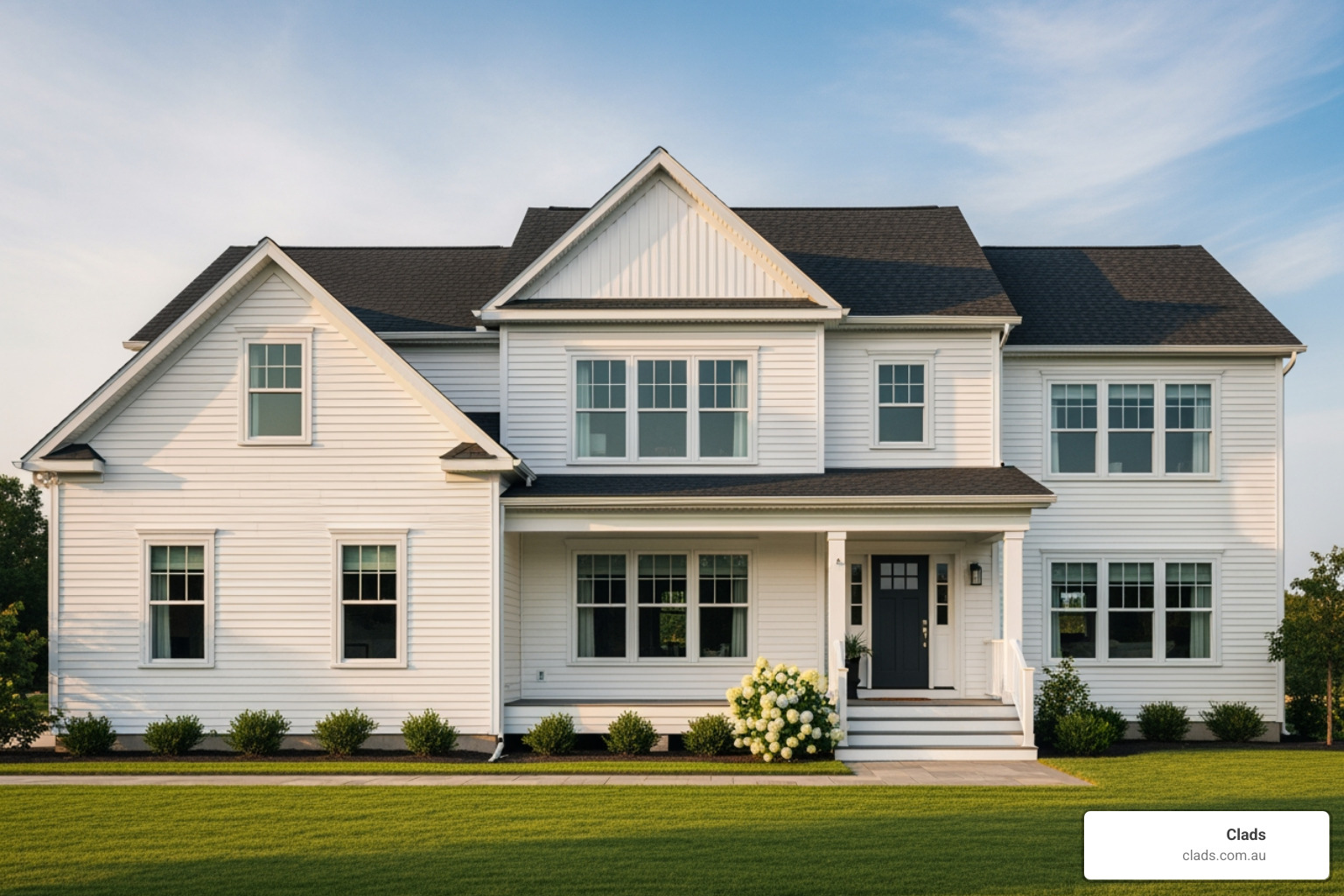
If you need the absolute lowest price to get started, uPVC and vinyl cladding are hard to beat. These plastic-based materials typically cost around $20-$30 per square metre, making them the most affordable entry point.
The main appeal of vinyl is its simplicity. It requires no painting or sealing, just an occasional wash. It resists rot and pests and comes in many colours and styles. Many systems are also designed for easy DIY installation, saving on labour costs.
However, there are trade-offs. Vinyl can fade under the harsh Australian sun and is susceptible to cracking or denting from impacts. Its lifespan is around 15-20 years, which is shorter than other options. Aesthetically, some feel it lacks a premium look, and as a plastic, it has a higher environmental footprint.
For sheds, garages, or projects where upfront cost is the top priority, vinyl can be a good fit.
Metal Cladding: Durable and Surprisingly Affordable
Metal cladding—especially corrugated sheets and aluminium panels—offers exceptional value for money at around $50-$100 per square metre. While it costs more upfront than vinyl, its longevity makes it a smart choice.
Metal cladding is exceptionally tough. Aluminium is rust-proof and handles Australian weather, pests, and rot with ease. Steel options are even stronger, offering a 20+ year lifespan (with aluminium often lasting longer). Maintenance is practically zero—no painting or sealing is required, just an occasional wash.
For a modern, contemporary look, metal delivers a sleek aesthetic. Popular pre-painted steel products offer many colour options with a clean, professional finish. Aluminium is also lightweight, making installation more efficient with large panels that provide faster coverage. Both aluminium and steel are highly recyclable, making them an environmentally sound choice.
The main downsides are that thinner gauge metal can dent, and it can be noisier during heavy rain. For the durability and low maintenance it offers, metal is a smart investment.
Fibre Cement: The Best Value for Long-Term Performance
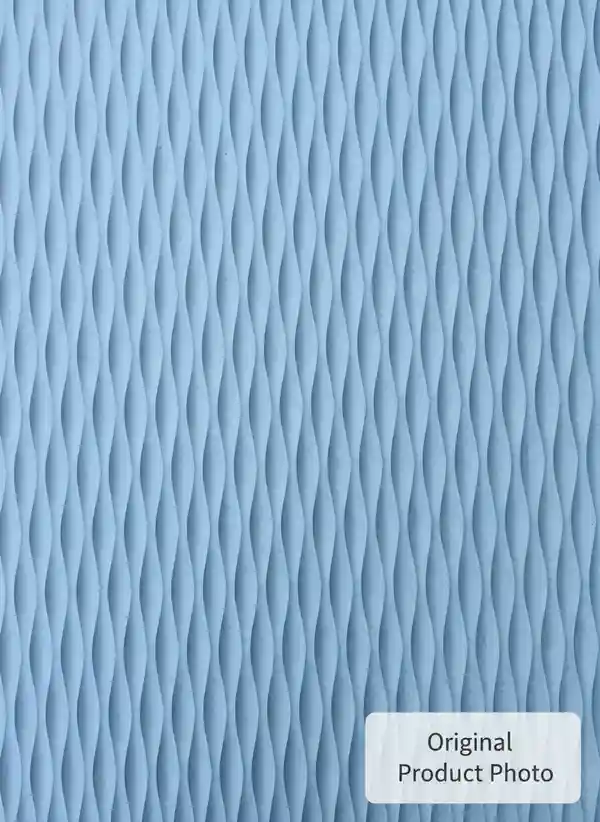
For genuine long-term value, fibre cement deserves serious attention. At $40-$70 per square metre, it sits in the middle of the price range but delivers performance that rivals far more expensive materials.
Made from cement, sand, and cellulose fibres, fibre cement is engineered for Australian conditions. It is highly durable and won't burn, rot, or attract termites. Its resistance to moisture and fire makes it incredibly safe and reliable.
What sets fibre cement apart is its versatility. It can convincingly mimic natural wood grain, shingles, or stone, offering a premium look without the high cost. Maintenance is minimal, as it holds paint well and resists warping and cracking. With a 30-50+ year lifespan, it can last more than twice as long as vinyl. Its fire resistance is a major benefit, especially in bushfire-prone areas. For more information on what cladding is and how it protects your home, check out What is Cladding?.
However, fibre cement is heavy, making DIY installation challenging and often requiring professional help. Cutting it also produces dust that requires safety precautions. For long-term thinking, fibre cement offers incredible value and is a sound investment in your home's protection.
WPC (Wood-Plastic Composite): The Modern, DIY-Friendly Choice
WPC cladding is a modern solution that's quickly winning over Australian homeowners. Made from recycled wood fibres and plastics, it offers the look of timber without the maintenance headaches.
WPC is compellingly sustainable, using materials that would otherwise be landfill. Its practical benefits are a major draw: it resists rot, pests, splintering, and warping. You'll never need to paint, stain, or seal it—just an occasional wash.
Aesthetically, modern WPC beautifully replicates natural timber textures and colours. For DIY enthusiasts, WPC is ideal. Many systems feature interlocking panels and simple fastening methods, making installation straightforward and saving on labour costs.
It handles Australia's climate brilliantly, resisting moisture, UV degradation, and temperature swings, giving it a 25+ year lifespan. While the initial cost is moderate, its longevity and zero maintenance provide excellent lifetime value.
We're passionate about WPC at Clads because it's beautiful, durable, sustainable, and DIY-friendly—a smart solution for Australian homes. You can find more info about our WPC cladding on our blog, where we dive deeper into installation tips and design ideas.
Beyond the Price Tag: A True Comparison of the Cheapest Cladding Options
Looking past the initial purchase price is key to finding true value. A bargain material might end up costing you more in the long run through repairs, maintenance, and early replacement.
Thinking in terms of lifetime value rather than upfront cost will help you make a smarter decision.
Initial Cost vs. Lifetime Value: What's the Real Cost?
The "real cost" of cladding includes installation, maintenance, repairs, and eventual replacement. This total lifetime cost is a better measure of value than the initial price tag. Let's break down how our top affordable materials compare:
| Material | Initial Cost (Approx. AUD/m²) | Expected Lifespan | Maintenance Requirements | Durability Rating |
|---|---|---|---|---|
| uPVC/Vinyl | $20 - $30 | 15 - 20 years | Very Low (wash with soap and water) | Moderate |
| Metal (Aluminium) | $50 - $100 | 20+ years | Very Low (quick wash) | Very High |
| Fibre Cement | $40 - $70 | 30 - 50+ years | Low (holds paint well, occasional cleaning) | Extreme |
| WPC | Moderate (varies) | 25+ years | Very Low (no painting, staining, simple wash) | High |
The table shows that while vinyl is cheapest upfront, its shorter lifespan can make it more expensive per year over the long term compared to a durable option like fibre cement.
Materials like fibre cement, metal, and WPC offer a better return on investment (ROI). You pay more initially but save money over decades on maintenance and replacement. These long-term expenses, such as painting and repairs, can quickly add up with less durable materials. Cladding that resists rot, pests, and doesn't need painting offers the best long-term value.
Durability and Maintenance in the Australian Climate
Australia's climate demands durable materials. Your cladding must withstand scorching sun, coastal salt spray, heavy rain, and potential bushfire risks.
Weather and UV resistance are critical. Fibre cement, metal, and WPC are engineered to resist moisture, preventing rot and warping. Unlike vinyl, which can fade and become brittle, these materials offer superior UV degradation stability, maintaining their colour and integrity for decades.
For coastal corrosion, salt air is a major threat. Aluminium is an excellent choice as it doesn't rust, while fibre cement and WPC are also unaffected by salt.
Cleaning requirements for these affordable options are simple, usually just a wash with soap and water. In terms of repairability, individual WPC or metal panels can often be replaced easily, whereas repairing vinyl can be more challenging.
Cladding is your home's first line of defence. To understand more about its role, check out What is Cladding?
Environmental Impact of Budget Cladding
Choosing building materials today involves considering their environmental impact. Many affordable cladding options are also responsible choices.
Sustainability is a key factor. Eco-friendly and recyclable materials often signify quality and long-term value. Recycled content is a major benefit of WPC, which is made from recycled wood fibres and plastics. Some fibre cement products also use recycled materials.
Recyclability at the end of a product's life is important. Metal cladding (both aluminium and steel) is highly recyclable and can be repurposed into new products. In contrast, PVC environmental considerations are greater due to its energy-intensive manufacturing process and disposal challenges.
For those who love the look of timber, sustainable alternatives like WPC or wood-look fibre cement offer the same aesthetic without the environmental cost of harvesting natural wood.
How to Save Money on Your Cladding Project
With some smart planning, you can give your home a beautiful, protective exterior while keeping your budget in check. Let's explore practical ways to make the cheapest cladding options work even harder for your wallet.
Can DIY Installation of the Cheapest Cladding Options Save You Money?
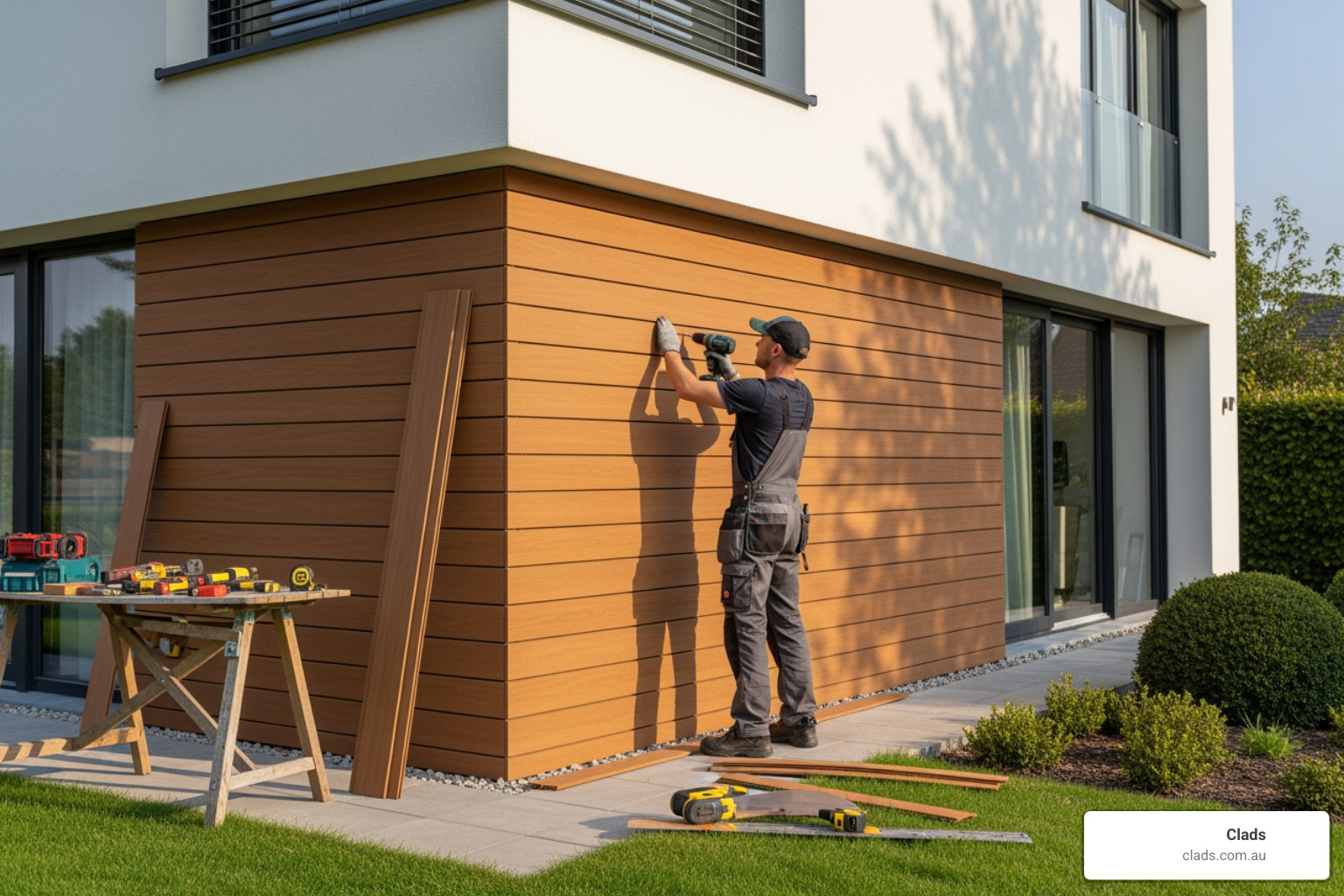
Labour can double the price of a cladding project, so DIY installation is a great way to save thousands. Most affordable cladding materials only require basic carpentry tools like a tape measure, level, saw, and drill. With patience and attention to detail, many homeowners can achieve a professional result.
Some materials are specifically designed for DIYers. WPC cladding is a standout, with lightweight, interlocking systems that are forgiving for first-timers. Vinyl and uPVC are also DIY-friendly.
However, know when to call a professional. Heavy materials like fibre cement, working at heights, or complex designs are best left to the experts for safety and quality.
For a successful DIY project, preparation is key. Measure precisely, follow manufacturer instructions, and ensure your walls are clean, dry, and flat. Always start with a perfectly level first row, as everything builds on it. Careful cutting and correct panel overlap will ensure a weatherproof, professional finish.
Smart Sourcing and Cost-Saving Tips for the Cheapest Cladding Options
Beyond DIY, you can trim your budget with clever sourcing:
- Buy in bulk: Suppliers often offer discounts for larger orders.
- Look for sales: Watch for seasonal or clearance events to find deals.
- Check for leftovers: Ask suppliers about discontinued lines or leftover materials from commercial jobs for bargain prices.
- Source locally: Buying from local suppliers like us in Sunshine, Victoria, reduces transport costs and supports local business.
- Measure accurately: Avoid waste from over-ordering or delays from under-ordering. Add a 5-10% buffer for cuts.
- Use standard profiles: Custom sizes and profiles cost more. Standard options are cheaper.
- Avoid custom finishes: Pre-coated materials like uPVC, WPC, and finished metal eliminate painting costs.
- Combine materials: Use more affordable cladding on less visible walls and save premium options for the front facade.
- Get multiple quotes: Compare prices from different suppliers and installers to ensure you're getting a fair price.
- Maintain your cladding: Regular cleaning and prompt repairs will extend your cladding's lifespan, saving you money on future replacement.
Frequently Asked Questions about Affordable Cladding
When you're exploring cheapest cladding options, it's natural to have questions. We're here to give you straight answers about cost, durability, and what really works for Australian homes.
What is the absolute cheapest way to clad an exterior wall in Australia?
For the absolute lowest upfront price, uPVC or vinyl cladding is the cheapest at around $20-$30 per square metre. However, this doesn't account for lifetime value. Materials like fibre cement or metal cladding cost more initially but can be more cost-effective over time. Their longer lifespan and lower maintenance needs mean they often work out cheaper per year, representing a smarter long-term investment.
How long does cheap cladding last?
Lifespan varies significantly among affordable materials:
- uPVC and vinyl cladding: Around 15-20 years, but can fade or become brittle in harsh Australian conditions.
- Aluminium cladding: 20-30+ years, offering excellent weather resistance.
- Fibre cement: An exceptional 30-50+ years, thanks to its resistance to rot, pests, and fire.
- WPC (Wood-Plastic Composite): 25+ years, with great resistance to rot, insects, and UV damage.
Can I put new cladding over old brick?
Yes, cladding over brick is a common and effective way to update a home's appearance and improve insulation without removing the brickwork. Proper preparation is crucial. The existing brick must be structurally sound and free from moisture issues. The process involves fixing battens (timber or metal strips) to the brick to create a level surface and a ventilation cavity. This cavity is vital for allowing moisture to drain and air to circulate. A weather-resistant barrier should also be installed over the brick first. Lightweight materials like uPVC, WPC, or metal panels are generally easiest for this type of installation. Always ensure your project complies with local building codes.
Choosing the Best Value Cladding for Your Home
Choosing from the cheapest cladding options comes down to balancing upfront cost with long-term value. As we've seen, the lowest price tag doesn't always equal the most cost-effective solution over your home's lifetime.
Materials like uPVC offer the lowest initial cost, while metal, fibre cement, and WPC provide superior durability and lower maintenance for a better long-term investment. Your ideal choice depends on your budget, aesthetic goals, and DIY appetite. Each of the affordable options in this guide is suited to the tough Australian climate.
For homeowners seeking a sustainable, low-maintenance, and DIY-friendly solution that combines beauty and value, we are proud to offer our range of WPC cladding. It's a modern material we believe in for its all-around performance.
Ready to transform your home's exterior? Discover stylish exterior cladding ideas for your home and see how the right cladding can make all the difference.