



What Does 'Cladded' Mean and Why Does It Matter?
Cladded is the past tense of the verb "to clad," which means to cover one material with another. In construction, it refers to applying a protective or decorative outer layer to a building. While both "clad" and "cladded" are technically correct, "clad" is the more traditional form.
If you've been puzzled by the word "cladded" while researching home renovations, you're not alone. For Australian homeowners, understanding this term is key to finding modern, low-maintenance solutions for tired exteriors. A properly cladded home with quality materials means less upkeep and decades of worry-free protection.
In this guide, we'll explore the meaning of "cladded," explain what cladding is in construction, and show you the benefits of choosing the right cladded solutions. You'll walk away understanding exactly what "cladded" means and why it could be the perfect solution for your home's exterior.
What Does 'Cladded' Actually Mean? A Linguistic Deep Dive
At its heart, "cladded" is the past tense and past participle of the verb "to clad," which means to cover something with an outer layer for protection, insulation, or aesthetics. Think of it as dressing your building in its best outfit.
Etymology and Origins
The word "clad" dates back to the 14th century, from the Old English word 'clāðian', meaning 'to clothe'. This connection reveals the core idea: covering something with a protective or decorative layer, much like putting on a jacket. When we say a building is cladded, we're essentially saying it's been clothed in an architectural sense.
Grammatical Forms: Clad vs. Cladded
The verb "to clad" has two accepted past tense forms: "clad" and "cladded."
- Clad is the traditional, irregular form, often seen in formal writing (e.g., "The building was clad in stone").
- Cladded is a regularised form, created by adding "-ed." While less common, it is gaining ground in technical and industrial contexts for its clarity.
Both forms are correct, and in the construction industry, you'll hear them used interchangeably.
Examples of 'Cladded' in Sentences
Here’s how "cladded" works in real-world contexts:
- "The new extension was cladded with a beautiful timber finish."
- "Our team ensured the building was expertly cladded with fire-resistant panels."
- "The structure was cladded in durable WPC to withstand the harsh Australian sun."
Synonyms and Antonyms for 'Cladded'
Synonyms for cladded include covered, overlaid, sheathed, or faced. The opposite would be uncovered, exposed, or bare.
Now that we've explored the language, let's look at what cladding means for your home.
From Words to Walls: What is Cladding in Construction?
In construction, cladding is the application of one material over another to create a protective and decorative outer layer. It's a non-structural element, meaning it doesn't hold the building up, but its role is critical for performance and aesthetics.
Think of cladding as your home's skin. It protects everything inside from the elements, helps regulate temperature, and gives your building its unique appearance.
The Multifaceted Role of Cladding
A well-cladded building offers more than just good looks. Cladding performs several vital functions:
- Weather Protection: In Australia, cladding is the first line of defence against harsh sun, rain, and wind. It prevents moisture from entering the structure, which can cause rot, mould, and costly damage.
- Thermal Insulation: When combined with insulation, cladding systems improve a home's ability to stay cool in summer and warm in winter. This reduces reliance on air conditioning and heating, lowering energy bills.
- Noise Control: Certain cladding materials can dampen external noise, creating a quieter indoor environment, which is ideal for homes near busy roads.
- Aesthetic Improvement: Cladding transforms a building's appearance, offering a huge range of colours, textures, and profiles to suit any architectural style and boost kerb appeal. For inspiration, see our guide on Your Home's Best Dress: A Guide to Exterior Wall Finishes.
Modern installations often use rainscreen systems, which create a ventilated cavity between the cladding and the structural wall. This gap allows any moisture to drain away, preventing it from reaching the inner structure. Cladding is an integral part of your building's envelope, working to protect, insulate, and beautify your home.
Exploring the Most Popular Types of Cladded Materials
A vast array of cladding materials is available, each offering unique benefits. At Clads Australia, we specialise in high-quality solutions for Australian architects, builders, and homeowners. Let's explore some popular materials for a beautifully cladded facade.
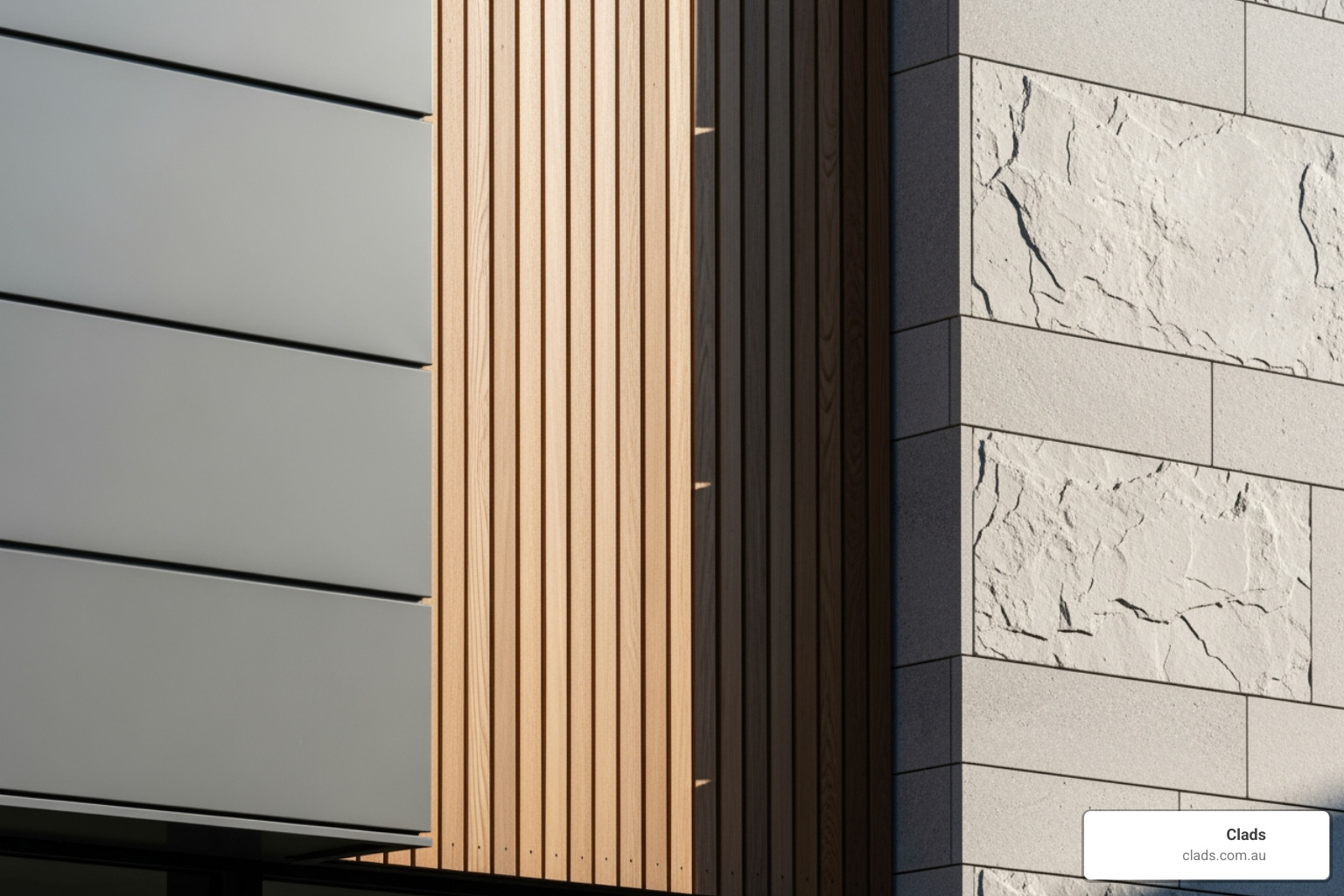
WPC and Composite Cladded Options
Wood Plastic Composite (WPC) cladding is a hero product for Australian homes, blending the beauty of timber with the durability of composites.
- Low-Maintenance: WPC never needs painting, staining, or sealing. A simple wash is all that's required.
- DIY-Friendly: Lightweight and featuring interlocking systems, many WPC options are designed for ease of installation.
- Durability: Engineered to resist fading, warping, rotting, and pests, WPC is a long-lasting solution for the harsh Australian climate.
Explore our range of WPC Cladding to see how it could transform your project.
Stone and Cement Cladded Finishes
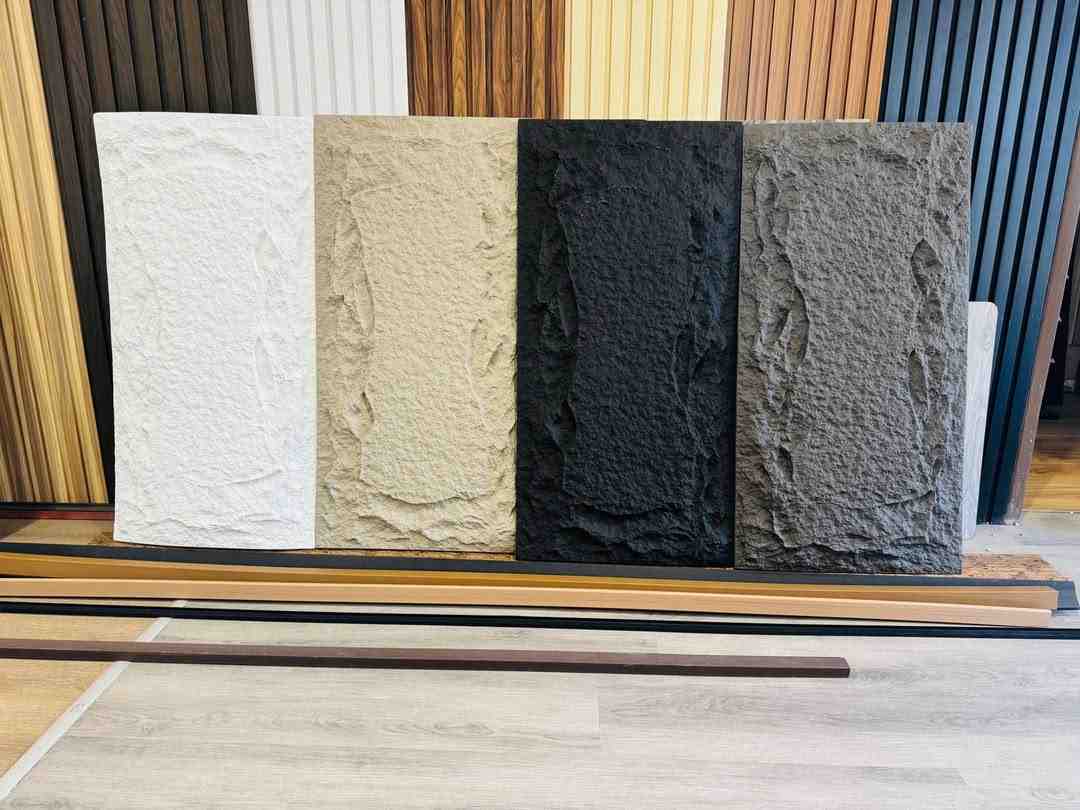
For a robust or earthy aesthetic, stone and cement-based cladding offer timeless appeal and incredible resilience.
- Natural Aesthetic: Stone cladding adds luxury, texture, and character, while cement offers a sleek, industrial look for contemporary designs.
- Durability and Longevity: Both materials are extremely durable, able to withstand extreme weather and resist impact. A properly cladded stone or cement finish can last for decades.
- Modern Design: These materials are at the forefront of contemporary architecture, allowing for striking features and clean finishes.
Find the beauty of Stone Cladding and the appeal of Cement Cladding.
Sleek and Modern Aluminium Cladded Walls
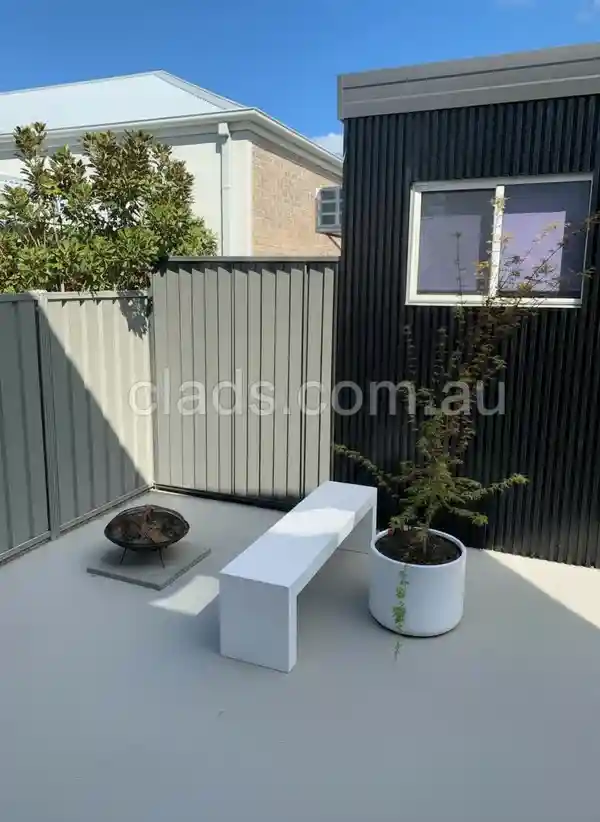
Aluminium cladding is a top choice for a clean, sharp, and sophisticated look.
- Lightweight: Aluminium is easy to transport and install, potentially reducing installation time and structural requirements.
- Low-Maintenance: It resists corrosion, rust, and pests, and only requires occasional cleaning. It won't rot, warp, or crack.
- Contemporary Look: With its smooth finish and crisp lines, aluminium is available in a wide array of colours for bold or subtle designs.
- Fire Resistance: Aluminium is a non-combustible material. When specified and installed correctly, it contributes to a building's fire safety. Always ensure materials comply with local building codes. For example, the Victorian Government provides specific guidance on cladding safety.
Check out our Aluminium Cladding range and get inspired by these Exterior Cladding Ideas That Will Instantly Elevate Your Home's Look.
What Are the Key Benefits of a Well-Cladded Building?
Investing in quality cladding is about more than a pretty facade. A thoughtfully cladded building benefits from improved durability, energy performance, and overall value.
Improved Durability and Protection
Quality cladding provides a robust shield against the harsh Australian environment. Materials like WPC, stone, and aluminium offer excellent Australian weather resistance. They act as a sun, rain, and wind barrier, preventing UV degradation and moisture penetration that can lead to rot and mould. This protection improves the longevity of materials and extends your home's lifespan.
Improved Energy Efficiency
A well-cladded home is more energy-efficient. Cladding systems provide thermal insulation, creating a stable internal temperature. This helps in reducing heating and cooling costs by trapping warmth in winter and reflecting heat in summer. The result is a more comfortable internal environment year-round and lower energy bills.
Superior Aesthetics and Kerb Appeal
Cladding can completely transform your home's look. It allows for a dramatic changing of facades, updating your property's style and increasing its property value. Modern materials can create sophisticated architectural shadow lines and textured profiles that add depth, character, and visual interest to your home, achieving a high-end look without the maintenance headache.
Acoustic Performance for a Quieter Space
Certain cladding materials offer valuable sound dampening qualities, creating a more peaceful home by reducing external noise. This benefit also applies indoors, with internal cladding applications like acoustic panels that are perfect for improving sound quality in home theatres or offices. Learn more about our Internal Acoustic Panels.
Important Considerations Before You Clad
Starting a cladding project requires careful planning to ensure the best results. Here are the key factors to keep in mind before you begin.
Fire Safety Standards
Fire safety is paramount. Always check the material fire ratings and ensure your chosen product complies with local building codes, especially for multi-storey buildings. In Victoria, strict regulations apply. For example, while aluminium is non-combustible, the core of a composite panel determines its fire performance. We strongly recommend you learn more about cladding safety from official sources, such as the Victorian Government, and consult with building professionals to ensure full compliance.
Installation Best Practices
Proper installation is critical for performance and longevity. For complex projects or if you're unsure, hiring a qualified installer is the best choice. While Clads Australia does not install cladding, we can connect you with trusted local installers. For experienced DIY enthusiasts, many of our lightweight options like WPC are DIY-friendly. However, always assess your skill level honestly, as a flawless finish depends on precise installation.
Maintenance Requirements
Modern cladding is low-maintenance, but not no-maintenance. Our WPC and aluminium solutions generally only require a simple wash with mild soap and water to stay looking pristine. Unlike traditional timber, you won't need to spend weekends staining or painting. By choosing our high-quality, durable materials, you ensure your cladded facade maintains its beauty for years, delivering "Style without the maintenance headache."
Frequently Asked Questions About 'Cladded' and Cladding
Here are answers to the most common questions we hear about 'cladded' and cladding.
Is it correct to say 'cladded' or 'clad'?
Both are correct. Clad is the traditional past tense (e.g., "the house was clad in stone"). Cladded is a more modern, regularised form that is also widely accepted, especially in technical and construction contexts. We use both terms.
Is cladding only for the outside of a house?
No. While external cladding is common for weather protection and kerb appeal, internal cladding is fantastic for creating feature walls, adding texture, and improving acoustics with panels. Explore our Internal Cladding options to see the possibilities.
How long does cladding last?
The lifespan of a cladded facade depends on the material and installation quality. High-quality materials like WPC, aluminium, and fibre cement are engineered to last for decades with minimal maintenance, resisting fading, warping, and the harsh Australian climate.
Can I install cladding myself?
Yes, if you are an experienced DIY enthusiast. Many of our lightweight systems, like our WPC options, are designed to be DIY-friendly. However, for a perfect finish and to ensure compliance with building codes, professional installation is often recommended. If you need a pro, contact our team, and we can help connect you with a local installer.
Is cladding waterproof?
Cladding is weather-resistant and acts as your home's first line of defence against rain. It is designed to shed water away from the building's structure. When installed correctly as part of a complete system, often with a waterproof membrane behind it, it provides excellent protection from water ingress.
Conclusion
We've explored everything from the linguistic debate of "cladded" versus "clad" to the transformative power of cladding in Australian architecture. While both terms are correct, the real takeaway is what a well-cladded building can do for your project.
Cladding is about more than covering a wall; it's about improving performance and feel. A quality cladded solution offers protection from the Australian climate, improves energy efficiency, reduces noise, and dramatically lifts your property's aesthetic. It's an upgrade that combines style with low-maintenance practicality.
At Clads Australia, we are the design-led cladding specialists. Our curated range of WPC, cement, stone, and aluminium cladding is built to deliver architectural aesthetics that stand the test of time. We provide style without the maintenance headache, ensuring impact and longevity.
While we don't install cladding, many of our systems are DIY-friendly. If you need a professional, we can connect you with trusted local installers.
Ready to transform your project? Contact the team at Clads Australia for expert advice, or order your free samples today to experience the quality for yourself. We Create Aesthetics. Design the Difference.