



Black Plastic Cladding Exterior: What You're Really Looking For (And What Actually Performs)

If you've been searching for black plastic cladding exterior options, you're in good company. It's one of the most common searches from Australian homeowners wanting to modernise their facades. But here's what most people don't realise: the best-performing black cladding systems available today aren't standard plastic at all.
At CLADS, we supply premium WPC and aluminium cladding across Australia, designed for homeowners and builders who want the look of modern black exterior cladding without the performance issues associated with lower-grade plastic products. If your goal is a facade that looks sharp, stays dark in the Australian sun, and avoids constant repainting or upkeep, this is where material choice really matters.
Here's a quick breakdown of what "black plastic cladding" actually refers to in the current market:
| Material | What It Is | Performance Level |
|---|---|---|
| Low-grade plastic boards | Basic rigid boards used in budget applications | Budget, lightweight, limited durability |
| WPC (Wood Plastic Composite) | Recycled wood fibres bonded with polymers | Engineered for durability, timber-like finish |
| Composite (co-extruded) | Advanced polymer core with protective outer shell | High UV stability, premium aesthetics |
| Aluminium | Powder-coated or anodised metal panels | Architectural grade, non-combustible, long lifespan |
Most homeowners searching for black plastic cladding are actually looking for something that looks refined, holds its colour, and requires very little maintenance. WPC and aluminium systems deliver exactly that, and they do it with better long-term performance than standard budget plastic products.
This article walks you through the real differences between these materials, what to look for in a black exterior cladding system, and how to choose the right option for your home, climate, and budget.
I'm Suresh Babu, and with over three years embedded in Australia's cladding industry, I've worked closely with homeowners and builders navigating exactly these choices around black plastic cladding exterior materials. That hands-on experience shapes everything we cover below.
Understanding Industry Terms for Black Plastic Cladding Exterior
When people talk about exterior wall plastic cladding, the terminology can get muddy very quickly. You might hear terms like budget plastic boards, WPC, or composite used interchangeably, but they perform very differently. Understanding those differences is the first step in choosing a product that will still look good years from now.
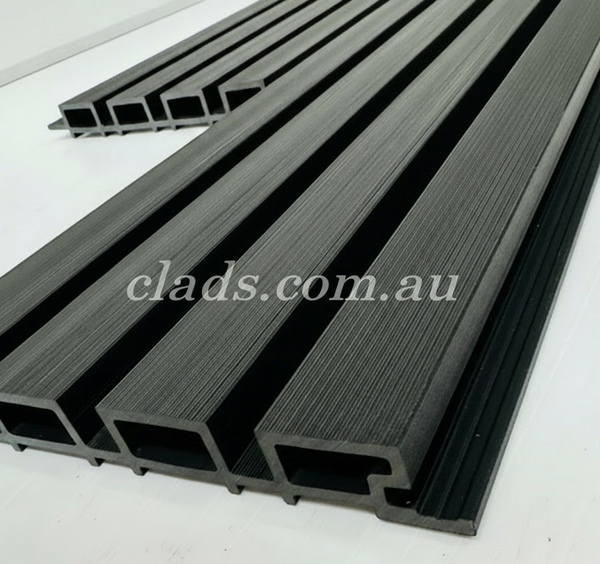
Budget Plastic Boards
Basic rigid plastic boards are usually the entry-level option in the market. They are lightweight and lower in cost, but for exteriors they often struggle with long-term durability in harsh Australian conditions. Thermal movement can be significant, which means boards can expand and contract noticeably with temperature changes. If installation tolerances are poor, this can lead to visible distortion or buckling.
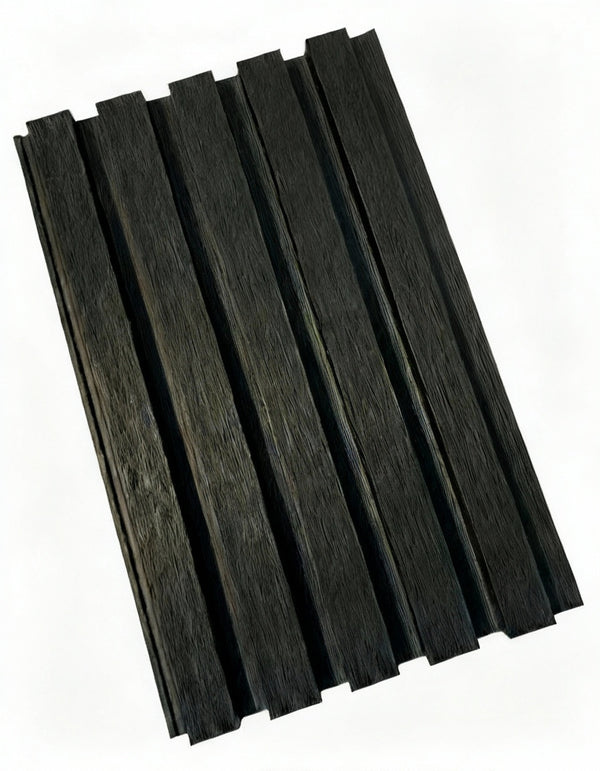
WPC and Composites
Wood Plastic Composite (WPC) is an engineered blend of recycled wood fibres and polymers. This is where we see a major jump in quality. By combining the organic look of timber with the durability of a synthetic material, you get cladding that resists moisture, insects, and everyday weathering while maintaining a consistent density. Advanced co-extruded composites go a step further, wrapping the core in a protective outer layer that helps preserve deep black colour and reduces visible fading over time.
Aluminium
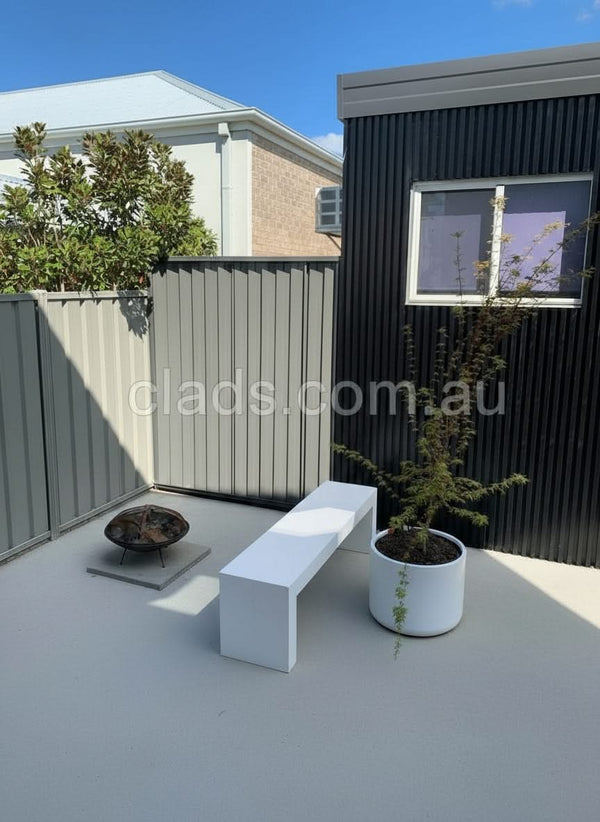
Aluminium sits at the premium end of the market. It is an architectural cladding material known for crisp lines, clean finishes, and strong long-term performance. It does not try to imitate budget plastic products. Instead, it offers a more refined solution for contemporary Australian homes, especially where fire performance, coastal durability, and low maintenance are priorities.
Why WPC and Aluminium Outperform Standard Black Plastic Cladding Exterior
In the context of April 2026 building trends, homeowners are moving away from high-maintenance natural timber and lower-grade plastic cladding. If you want a black facade that stays black, you need strong UV stability, structural consistency, and a finish designed for exterior use. Standard budget plastic products often become brittle, chalky, or washed out under intense UV exposure.
Choosing wood plastic composite cladding or aluminium provides much better long-term value. While the initial cost can be higher than low-grade plastic boards, the ongoing savings are significant because these materials do not require the same cycle of repairs, repainting, or replacement. They also deliver better impact resistance, stronger visual appeal, and a specification better suited to Australian conditions. For a deeper look at your choices, check out our exterior cladding options guide.
The Benefits of WPC Cladding
WPC is the sweet spot for many residential renovations. It offers the warmth and texture of wood with the convenience of a low-maintenance modern cladding system.
- Moisture Resistance: WPC is designed to handle exposure to weather without the same maintenance demands as natural timber.
- Resistance to Rot and Termites: Unlike traditional timber, WPC is not vulnerable to the same pest and decay issues.
- Natural Texture: Many WPC products feature realistic woodgrain textures that create a high-end exterior finish.
- DIY Friendly: Many systems use concealed fixing methods and interlocking profiles, making installation more straightforward.
- Low Maintenance: Routine washing is generally all that is required to keep the surface looking sharp.
- Sustainability: Many WPC boards are made using recycled content, reducing reliance on virgin raw materials.
The Architectural Edge of Aluminium Cladding
If you are after a sleek, modern finish, aluminium is the premium architectural option. It is precise, durable, and particularly well suited to projects where compliance and longevity are top priorities.
- Fire Compliance: Aluminium is non-combustible, which is critical for many Australian building requirements, particularly in bushfire-prone locations.
- Coastal Performance: It is highly resistant to corrosion, making it ideal for homes exposed to salt air.
- Minimal Maintenance: Aluminium cladding is easy to maintain and does not need frequent refinishing.
- Precision Finish: It delivers crisp shadow lines and smooth matte or metallic finishes that create a very clean facade.
Where Each Material Excels
This is where material choice really matters. Both WPC and aluminium are strong alternatives to standard plastic cladding, but they shine in different settings.
- Coastal homes: Aluminium generally has the edge in harsh salt-spray environments.
- Residential renovations: WPC is often the preferred option where warmth, texture, and value are all important.
- Bushfire-prone areas: Aluminium is commonly favoured because of its non-combustible properties.
- General exterior upgrades: Both materials work well, depending on whether you want a timber-look finish or a sharper architectural appearance.
Why Black Works So Well on Modern Exteriors
The beauty of black plastic cladding exterior alternatives like WPC and aluminium lies in their versatility. Black is not just one flat colour. It can be soft charcoal, deep matte black, or a textured woodgrain finish with subtle variation that adds depth across the wall.
Current design trends in 2026 continue to favour bold, darker facades because they create contrast, highlight architectural lines, and make even simple forms feel more premium. Vertical installation remains especially popular because it can make a single-storey home feel taller and more contemporary.
Profiles such as castellation and Open-V are widely used for feature walls because they create stronger shadow lines and a more dimensional finish. If you want the visual warmth of timber with a darker contemporary tone, WPC woodgrain textures can deliver that result. If you prefer a cleaner, more minimalist appearance, matte aluminium finishes often provide the sharper look.
By exploring WPC wall panel exterior design options, you can see how these textures transform a flat wall into a dynamic architectural feature. For a broader perspective on whole-house design, our external cladding houses complete guide is a great resource.
Black vs White Cladding: Performance and Maintenance
One of the biggest myths about black cladding is that it is difficult to maintain. In reality, modern outdoor composite wall panels are designed for low upkeep.
A periodic rinse with a garden hose and a mild soap solution is usually enough to remove dust and surface grime. Because the colour is integrated into the material in WPC systems or factory-finished in aluminium systems, you are not dealing with constant repainting. However, black and white cladding do perform differently in practical terms, especially when it comes to heat absorption and visual presentation.
| Feature | Black Cladding (WPC/Aluminium) | White Cladding (WPC/Aluminium) |
|---|---|---|
| Heat Response | Higher heat absorption | Higher heat reflection |
| Visual Style | Bold, modern, high-contrast | Bright, coastal, classic |
| Dust Visibility | Light-coloured dust is more noticeable | Dark grime or mould can be more noticeable |
| Maintenance | Periodic rinsing | Periodic rinsing |
Does black cladding get hotter in the sun? Yes, the surface temperature can be higher than lighter colours. But that does not automatically mean poor performance. Proper installation is the key. A ventilated batten cavity behind the cladding helps manage heat build-up and allows the system to perform as intended.
This is also why expansion allowances matter. Darker materials absorb more solar energy, so installers need to follow the manufacturer-specified gaps and substructure requirements carefully.
Avoiding Red Flags in Low-Quality Cladding
Not all "black plastic" is created equal. If you find a product that is significantly cheaper than the market average, be wary. Low-quality cladding often skips the UV stabilisers, meaning your "midnight black" wall could be a patchy "battleship grey" within two summers.
Watch out for these red flags:
- Hollow, Thin Profiles: These lack impact resistance and can crack easily.
- No Warranty: High-quality WPC often comes with a 25-year warranty, while uPVC might only offer 10 years. If there's no warranty, stay away.
- Non-Compliant Fire Ratings: This is a major safety risk. Always ask for Australian certification.
- Poor Interlocking: If the boards don't click together securely, moisture can get trapped behind the facade, leading to mould and structural damage.
For more tips on what to avoid, read our composite wall panels complete guide or our overview of wall cladding exterior standards.
Sustainability and Eco-Friendly Building
In 2026, sustainability is a core part of the building process. Choosing wood plastic composite cladding is often an eco-friendly choice because it utilises recycled wood scraps and plastic waste that would otherwise end up in landfill.
Aluminium is also a sustainability superstar. It is 100% recyclable at the end of its long life cycle. By choosing these durable materials, you are reducing the need for the frequent replacements and chemical treatments (like paints and stains) required by traditional materials.
Frequently Asked Questions about Black Cladding
Does black cladding make a house hotter in the Australian sun?
It's a common concern. Black surfaces do absorb more heat, but this doesn't necessarily mean your living room will become an oven. The secret is in the "rainscreen" installation. By installing the cladding on battens, you create a ventilation cavity between the cladding and your home's insulation. This air gap allows heat to dissipate before it reaches your internal walls.
How do I maintain the deep colour of black exterior panels?
The best way is to choose a co-extruded WPC or a high-quality powder-coated aluminium. These are manufactured with UV stabilisers that protect the pigment. For maintenance, avoid harsh chemicals or solvents. A simple wash with mild soap and water every few months will keep the finish looking fresh.
Is WPC or aluminium better for coastal environments?
Both are excellent, but aluminium has a slight edge in extreme salt-spray zones due to its natural corrosion resistance. However, high-quality WPC is also moisture-resistant and won't rot or warp, making it a perfectly viable (and often more cost-effective) option for most coastal residential projects.
More Than a Search Term, It's a Smarter Facade Choice
At Clads, we aren't just suppliers. We help homeowners, designers, and builders choose premium WPC and aluminium cladding that delivers the modern black exterior look people often start searching for under terms like "plastic cladding".
Whether you are in Melbourne, Sydney, Brisbane, or regional areas like Geelong or Noosa, we make premium cladding accessible across Australia. With over 150 depot locations nationwide, we offer broad distribution with the convenience of local pick-up. Our focus is on high-performance WPC and aluminium systems that provide the aesthetic people want and the durability Australian conditions demand.
Ready to take the next step?