



Why Stone Wall Panels Are Changing Australian Homes
Stone wall panels interior options offer Australian homeowners a low-maintenance alternative to traditional finishes, combining natural aesthetics with modern durability. Here's what you need to know:
Key Benefits of Interior Stone Wall Panels:
- Durability - Resistant to moisture, scratches, and wear
- Low Maintenance - Simple cleaning with mild soap and water, no resealing required
- Quick Installation - Lightweight panels install faster than real stone
- Cost-Effective - Up to 70% less expensive than natural stone cladding
- Versatile Design - Suitable for living rooms, bedrooms, kitchens, and bathrooms
The popularity of interior stone wall panels is growing steadily worldwide, reflecting homeowners’ demand for authentic stone looks without the weight, cost, or maintenance of traditional stone.
Whether you're covering up outdated brick, creating a feature wall, or adding texture to a flat space, stone panels work in any room. They're made from materials like high-density polyurethane or natural stone veneers - both designed to be lighter and easier to handle than traditional stone while maintaining that premium aesthetic.
Today’s stone panels are DIY-friendly. Many systems rely on straightforward adhesives or click-lock connections, so you can refresh a room in a weekend without pros. They also keep their good looks for years with little maintenance, making them a durable, low-fuss alternative to traditional wall finishes.
7 Inspiring Stone Wall Panel Ideas for Your Interior
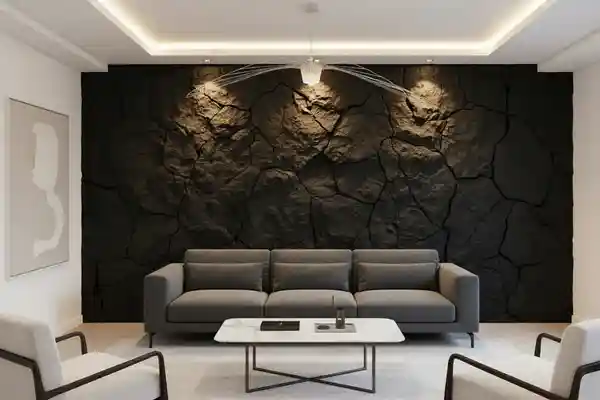
Stone wall panels interior designs bring texture and depth that flat walls can't match. They transform ordinary rooms into memorable spaces. At Clads, we've seen how the right stone panel placement can completely change a home's feel. These seven ideas show where stone panels work best. For more inspiration, check out more design ideas on our blog.
1. The Rustic Fireplace Surround
A stone panel fireplace surround creates a warm focal point that draws everyone in. Choose rugged dry-stacked stone for country cottage feel, or sleek ledger stone for contemporary style. The textural contrast against smooth walls creates visual interest paint alone could never achieve.
“Many faux stone options can handle moderate heat when installed correctly, but always check manufacturer specifications and local fire codes before using near fireplaces.
2. The Modern Living Room Accent Wall
A stone wall panels interior accent wall adds character without making your living room feel busy. Popular spots include behind your TV console or sofa. Behind the media unit, stone panels create a sophisticated backdrop. Behind the sofa, they add instant "wow factor."
For minimalist spaces, honed limestone panels offer subtle texture. For industrial loft vibes, faux brick or concrete-look panels pair perfectly with exposed beams and metallic accents.
3. The Neat Bedroom Headboard Wall
A stone panel headboard wall delivers that luxury hotel feeling every night. Light-colored stone panels work beautifully here.
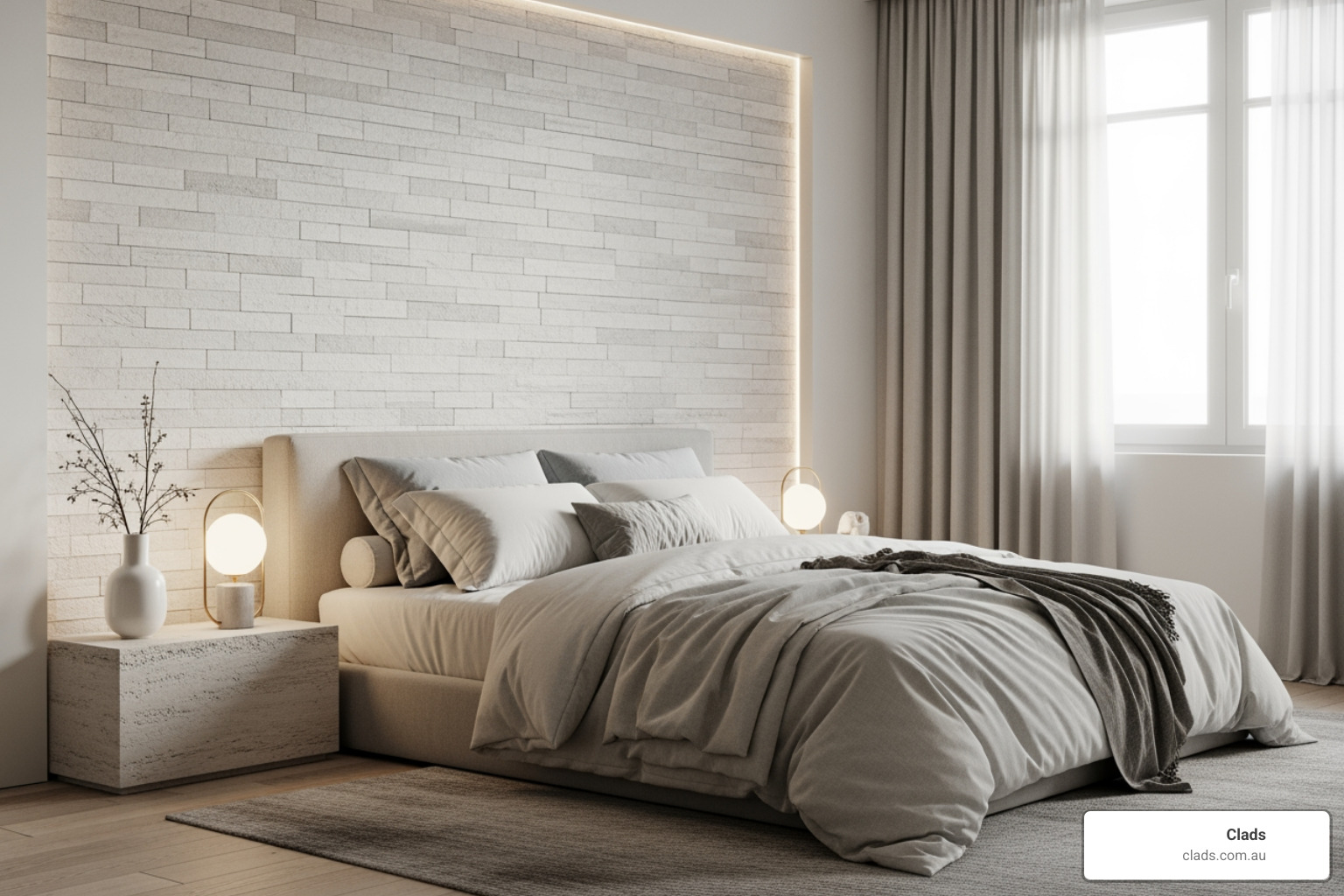
Think soft beige limestone or gentle white marble tones. These natural textures add an organic element that promotes relaxation. For more bedroom inspiration, see this Sunshine + Linen + Stone Bedroom in Rustic Style - Pinterest.
4. The Chic & Durable Kitchen Splashback
Stone wall panels interior options eliminate grout cleaning with their seamless surface. A quick wipe-down keeps panels pristine. Stacked fieldstone brings farmhouse charm. Polished marble or slate suits modern kitchens. Stone panels naturally resist heat, moisture, and daily splashes.
5. The Spa-Like Bathroom Feature
Stone panels turn ordinary bathrooms into tranquil retreats, especially around bathtubs, vanity walls, or shower areas.
Choose smooth, water-resistant slate for sleek looks, or textured river rock for organic appeal. Many faux stone panels use waterproof polyurethane. When installed correctly with proper caulking, they create a weather-resistant barrier.
6. The Welcoming Entryway or Hallway
Your entryway sets your home's tone. Stone wall panels interior designs make that first impression count. A full accent wall creates immediate impact. Stone panel wainscoting adds sophistication without overwhelming smaller hallways.
Stone panels resist scuffs, scratches, and bumps better than paint or wallpaper in these high-traffic zones.
7. The Sophisticated Home Office Backdrop
For video calls, a stone wall panels interior feature wall creates a professional backdrop. Choose classic brick-look panels for industrial vibe, or clean slate for minimalist appeal. Some textured panels offer minor sound absorption properties for quieter, more focused work.
A Practical Guide to Choosing Your Stone Wall Panels Interior
Ready to transform your space with stone wall panels interior? Choosing the right panels doesn't have to be complicated. From understanding what's available to planning your budget and installation, this guide covers the essentials. For more tips, Check out the latest news and tips.
Understanding the Types: Stone Panels for Interiors
You'll encounter two main types: natural stone veneer panels and faux stone panels.
Natural stone veneer panels are real stone (marble, slate, limestone, quartzite) cut thin and assembled into panels. Options include Black Wave Marble, Crema Limestone, and Taj White Marble in designs like Bamboo, Astradia, Moire, and Flutes. Natural stone veneer panels are cut thin to reduce weight, making them easier to handle than full-thickness stone. Actual weight varies by stone type, but most are manageable for interior applications.
Faux stone panels use high-density polyurethane to replicate stone's appearance without the weight or cost. The market is expected to reach USD 1.5 billion by 2027, growing at 5.5% annually. These lightweight panels (2-6 kg each, less than 2mm thick) are hand-painted for authentic textures. They're weather-resistant, pest-resistant, UV-resistant, and DIY-friendly.
How to Choose the Right Style and Color
Consider your home's style first. Rustic spaces suit stacked stone in warm earthy tones. Modern spaces need sleek slate or geometric patterns in grays, whites, or blacks.
Room size and lighting matter. Lighter colors make smaller rooms feel open. Darker stones bring drama to larger, well-lit areas.
Color psychology influences mood. Warm tones create cozy spaces for living rooms and bedrooms. Cool tones offer calm for bathrooms or offices.
Order samples - seeing actual texture and color in your lighting is essential. Explore patterns like dry stack, river rock, cobblestone, fluted, or ledger stone for different visual effects.
Installation & DIY: What You Need to Know
Modern stone wall panels interior are DIY-friendly, saving significantly on labor costs.
Surface preparation: Walls must be clean, dry, sound, and flat. Patch drywall holes. Check concrete/brick for structural soundness. Sand textured surfaces for 85% adhesive contact.
Tools needed: For faux panels - circular saw, measuring tape, level, construction adhesive (PL 300), caulk gun, appropriate fasteners. For natural stone - polymer-modified thinset, trowel, wet saw.
Installation: Faux panels use adhesive in "S" pattern plus screws. Natural stone uses thinset like tile installation. Many systems include matching corners and trims. Lay panels out first to plan order and create natural looks.
For complex projects, consider professional installation. Watch Clad Australia’s Stone Panel Installation Tips.
Cost and Sustainability Factors
Cost varies significantly. Faux stone panels (around $54.99 each) offer budget-friendly options. Natural stone costs more upfront. Factor in adhesives, fasteners, corners, sealants, and potential labor. Long-term value is excellent - stone panels last decades with minimal maintenance.
Sustainability matters. Natural stone is durable and long-lasting, requiring minimal maintenance resources. Many suppliers prioritize responsible sourcing. Faux stone panels, especially PVC-free options, offer longevity and reduced transportation emissions due to lightweight nature.
Stone Panels vs. Other Wall Finishes: A Comparison
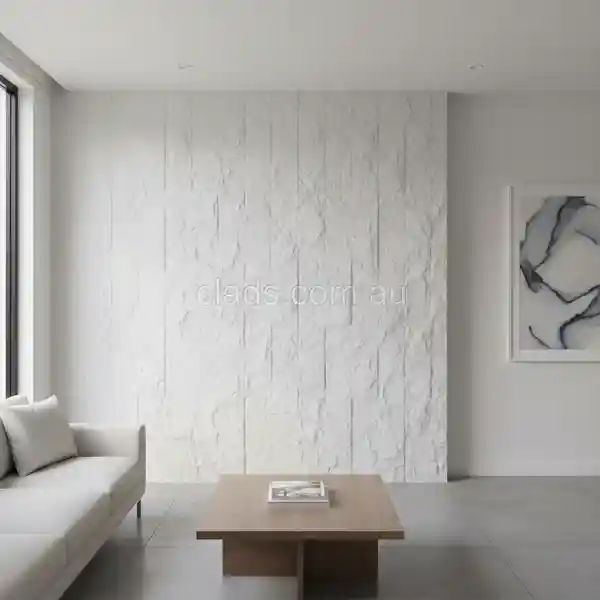
When you're planning a wall change, it's natural to wonder whether stone wall panels interior options are really the best choice compared to traditional finishes. Let's have an honest look at how stone panels stack up against paint and wallpaper—two of the most common alternatives Australian homeowners consider.
Initial cost is often the first consideration. Paint is undeniably the most budget-friendly option upfront, with a can of quality paint costing as little as $50-100 for an average room. Wallpaper sits in the middle, typically running $200-500 for materials. Stone wall panels, whether natural veneer or faux options, represent a higher initial investment—but here's where the story gets interesting.
The durability difference is significant. Paint chips, scuffs, and fades, especially in high-traffic areas or rooms with moisture. Most painted walls need refreshing every 5-7 years. Wallpaper can peel, bubble, or tear, particularly in humid environments like bathrooms or kitchens. Stone panels, on the other hand, are built to last decades. They resist moisture, scratches, and daily wear without showing their age. That higher upfront cost starts looking quite reasonable when you realize you might never need to replace them.
Installation difficulty varies considerably. Painting is straightforward for most DIYers, though achieving a professional finish takes skill and time (not to mention the prep work, taping, and multiple coats). Wallpaper demands precision—matching patterns, avoiding bubbles, and getting seams perfect can be frustrating. Modern stone panel systems are surprisingly DIY-friendly, with lightweight panels and simple adhesive or click-lock installation. Many homeowners find them easier than wallpapering.
When it comes to maintenance, stone panels shine. Paint requires touch-ups, repainting, and constant vigilance against marks and stains. Wallpaper can be delicate and difficult to clean. Stone panels? A quick wipe with mild soap and water keeps them looking pristine. No resealing, no repainting, no fuss.
Perhaps most importantly, the aesthetic impact of stone panels is in a league of their own. Paint offers color but limited texture. Wallpaper provides pattern but lacks dimensional depth. Stone panels deliver authentic three-dimensional texture, natural variation, and an architectural quality that paint and wallpaper simply cannot replicate. They add genuine value to your home—something buyers notice and appreciate.
The truth is, while paint and wallpaper have their place, stone wall panels interior solutions offer a compelling combination of long-term value, minimal maintenance, and transformative visual impact that makes them worth serious consideration for your next renovation project.
A Practical Guide to Choosing Your Stone Wall Panels Interior
Ready to transform your space with stone wall panels interior? This guide walks you through everything from types and styles to installation and budget.
Understanding the Types: Stone Panels for Interiors
Two main options: natural stone veneer panels and faux stone panels.
Natural stone veneer - Real stone (marble, slate, limestone) cut thin into panels. Less than 1.75 inches thick, 15 lbs or less per square foot. Installed with thinset over cement board or brick.
Faux stone panels - High-density polyurethane replicating stone. Lightweight (2-6 kg per panel), weather-resistant, DIY-friendly. Market expected to reach USD 1.5 billion by 2027.
How to Choose the Right Style and Color
Match your decor - rustic homes suit stacked stone in earthy tones; modern spaces need sleek slate in grays or whites. Light colors open small rooms; dark stones add drama to larger spaces. Order samples to see actual colors in your lighting.
Installation & DIY: What You Need to Know
Prep walls - clean, dry, flat surfaces essential. Faux panels need adhesive plus screws. Natural stone uses thinset. Many systems include matching corners for easy installation.
Cost and Sustainability Factors
Faux panels around $54.99 each offer savings versus natural stone. Both last decades with minimal maintenance. Look for PVC-free options and responsible sourcing for sustainability.
Stone Panels vs. Other Wall Finishes: A Comparison
When considering a wall finish, it helps to weigh the pros and cons of stone wall panels against paint and wallpaper. Heres a quick side-by-side:
| Feature | Stone Wall Panels (Natural & Faux) | Paint | Wallpaper |
|---|---|---|---|
| Initial cost | Higher upfront than paint/wallpaper; faux options are more budget-friendly than natural stone | Lowest upfront cost | Mid-range materials; installer costs can add up |
| Durability & lifespan | Excellent; resists moisture, scratches, and daily wear; can last decades | Fair; chips, scuffs, and fading common; typically refreshed every 5+ years | Moderate; can peel, bubble, or tear, especially in humid areas |
| Installation | DIY-friendly systems; adhesive and screws (faux) or thinset (natural); faster than laying individual stone | DIY-friendly; prep and multiple coats take time | Precision needed to avoid bubbles and align patterns; often easier with a pro |
| Maintenance | Low; wipe with mild soap and water; no sealing needed for most interiors | Moderate; touch-ups and repainting needed over time | Moderate to high; spot cleaning can be tricky; repairs noticeable |
| Aesthetic impact | High; real 3D texture and architectural presence; boosts perceived value | Color-only finish; limited texture | Patterned/printed texture; less dimensional depth than stone |
Bottom line: paint and wallpaper are fine for quick, low-cost updates, but stone wall panels deliver long-term value, durability, and a premium look that's hard to match.
Frequently Asked Questions about interior stone wall panels
How do I clean and maintain interior stone wall panels?
Stone wall panels require minimal maintenance:
- Regular Dusting: Use soft cloth or vacuum with brush attachment
- Mild Cleaning: Mix pH-neutral soap with warm water, apply with soft cloth
- Avoid Harsh Chemicals: Skip abrasive cleaners and acidic solutions
- No Sealing: Most interior panels don't require sealing
Are stone wall panels a passing trend?
No - the appeal of natural materials and textures is timeless. With interior applications growing at 7.2% annually, stone wall panels interior represent a long-term investment. Natural stone has been used in architecture for centuries; modern paneling simply makes it more accessible.
Can I install stone panels over existing surfaces?
Yes, with proper preparation:
- Painted Walls: Sand lightly for better adhesion
- Existing Tiles: Roughen surface with sandpaper
- Stone/Brick: Clean and use strong adhesive with appropriate fasteners
Always ensure existing surfaces are structurally sound and follow manufacturer guidelines.
Conclusion
We've journeyed through seven inspiring ways to incorporate stone wall panels interior into your Australian home, from cozy fireplace surrounds to sophisticated home offices. We've also explored the practicalities of choosing, installing, and maintaining these versatile materials. The message is clear: stone wall panels offer an unbeatable combination of aesthetic appeal, durability, and low maintenance, changing your space with ease and lasting impact.
The market trend is undeniable – more and more homeowners are finding the transformative potential of interior stone panels. Whether you're drawn to the authentic touch of natural stone veneer or the cost-effectiveness and DIY-friendliness of faux stone, there's a solution perfect for your vision. At Clads, we are committed to providing stylish cladding solutions that are trusted, low-maintenance, and designed to help you create the home of your dreams here in Sunshine, Victoria, and across Australia.
Ready to bring the enduring beauty of stone into your living spaces? Get expert guidance via our Contact Us page, or request a free sample to see and feel the quality firsthand.