



Why Aluminium Cladding is Changing Australian Homes
Aluminium cladding is changing the way Australians think about home exteriors. It's a protective outer layer made from lightweight aluminium panels that shields your building from weather while delivering a sleek, modern look. Unlike traditional timber that rots or warps, aluminium stands strong against our harsh sun, coastal salt spray, and extreme weather.
Quick Answer: What Makes Aluminium Cladding Special?
- Durability: Lasts 40-50 years with minimal upkeep
- Low Maintenance: No painting, staining, or constant repairs as its Powder Coated.
- Fire Resistant: Solid aluminium meets A2 fire rating standards
- Weather Proof: Resists corrosion, even in coastal areas
- Design Flexible: Available in countless colours, finishes, and styles
- Lightweight: Easy to handle and install
- Sustainable: 100% recyclable without losing quality
If you're tired of scraping, painting, and replacing damaged weatherboards every few years, you're not alone. Many Australian homeowners are finding that aluminium cladding offers the perfect balance of beauty and practicality.
At Clads Australia, we specialise in supplying premium cladding solutions that deliver both impact and longevity. Our aluminium cladding range is carefully selected to withstand Australian conditions while creating the architectural aesthetics you're after.
This guide walks you through everything you need to know about aluminium cladding benefits, from long-term cost savings to design possibilities. Whether you're building new, renovating, or simply exploring your options, you'll find practical answers to help you make a confident decision.
What Are the Main Benefits of Aluminium Cladding?
When you're choosing a material for your building's exterior, you want something that looks stunning, performs brilliantly, and doesn't let you down. Aluminium cladding delivers on all these fronts, offering a combination of benefits that make it a top choice for homes and commercial projects right across Australia. It's one of those rare materials where you genuinely don't have to compromise, beauty and brawn come together in one sleek package.
The versatility of aluminium cladding means it works beautifully in everything from coastal retreats to urban townhouses, and it pairs perfectly with other materials in our external cladding options to create truly unique facades.
How does aluminium cladding deliver long-lasting performance?
Here's something that'll make you smile: with proper care, aluminium cladding can last 40 to 50 years, and sometimes even longer. That's potentially half a century of protection and beauty without major repairs or replacement. Imagine installing it today and your grandchildren still enjoying it decades from now.
What makes aluminium so tough? For starters, it simply doesn't suffer from the problems that plague traditional materials. There's no rot, no warping, and no termites munching away at your investment. Our aluminium cladding is crafted from high-grade T6 aluminium, a robust alloy that's built to handle whatever Australia throws at it. We're talking scorching summers, torrential downpours, and everything in between.
The corrosion resistance is particularly impressive. If you're lucky enough to live near the coast, you'll know how brutal salt spray can be on building materials. Aluminium laughs in the face of it. Your cladding will keep looking fresh and performing flawlessly, even with the ocean breeze as your constant companion. It's this kind of resilience that makes aluminium cladding such a smart investment for Australian conditions.
Why is aluminium cladding so easy to maintain?
Let's talk about everyone's favourite weekend activity, not. Who actually enjoys spending their precious days off painting, staining, or repairing their home's exterior? With aluminium cladding, you can happily cross that chore off your list for good.
The beauty of aluminium is that it's genuinely low maintenance. Many of our profiles come with powder-coated finishes that do far more than just look good. These finishes are incredibly colourfast, which means they resist fading even under Australia's intense UV rays. Your cladding will keep its vibrant appearance year after year without needing a fresh coat of paint.
When it does need cleaning (and we're talking maybe once or twice a year), it couldn't be simpler. A gentle wash with lukewarm soapy water and a soft cloth is usually all it takes to restore that showroom shine. No harsh chemicals, no special equipment, no weekend lost to maintenance. It's the perfect solution for busy property owners who'd rather spend their time enjoying their home than working on it.
This combination of durability and ease of care is exactly why so many Australians are making the switch to aluminium cladding. It's a material that genuinely works with your lifestyle, not against it.
How Does Aluminium Cladding Perform in Key Areas?
Beyond its aesthetic appeal and minimal upkeep, aluminium cladding excels in several critical performance areas that matter most to homeowners and builders alike. We're talking about aspects that directly impact your wallet, your comfort, and the overall safety and sustainability of your building. Understanding these performance benefits can help you make an informed decision for your next project, whether you're building from scratch or giving your home a much-needed refresh.
Is aluminium cladding a cost-effective solution?
When you're weighing up the cost of cladding, it's tempting to focus purely on the initial price tag. But here's the thing: aluminium cladding offers exceptional value when you consider the full picture over time.
Yes, the upfront investment might be similar to other premium materials. But the real savings start adding up from day one. Think about it: you won't be shelling out for repainting every few years, or budgeting for repairs when weather damage strikes. Over the 40 to 50 year lifespan of your aluminium cladding, these savings become substantial. You're essentially freeing up your money for the things that actually matter to you, rather than constant maintenance.
There's another cost advantage that often gets overlooked. Because aluminium is lightweight, it's genuinely easier and faster to work with during installation. This typically means reduced labour costs and a quicker project timeline. For builders and DIY enthusiasts alike, this makes a noticeable difference to the bottom line. If you're ready to explore options that deliver both immediate and long-term financial benefits, our aluminium cladding range is worth a close look.
How does aluminium cladding support energy efficiency?
Let's talk about something that affects your comfort and your power bills: energy efficiency. In Australia's climate, where we experience scorching summers and chilly winters (depending on where you live), managing indoor temperatures is crucial. Aluminium cladding plays a surprisingly important role here, especially when it's installed as part of a rainscreen cladding system.
These clever systems create a ventilated air gap between the cladding panels and your building's exterior wall. This air cavity acts like a thermal buffer, allowing air to circulate freely. During summer, it helps reduce heat transfer from the blazing sun into your home. In winter, it assists in retaining warmth inside where you want it. The result? Your air conditioner and heater don't have to work as hard, which means lower energy consumption and smaller bills.
When you pair aluminium cladding with quality insulation behind it, you're creating a superior thermal envelope for your home. This combination ensures a more stable and comfortable indoor environment year-round, no matter what the weather throws at you.
What makes aluminium cladding a safe choice?
Safety isn't something you compromise on, and fire resistance is a critical consideration for any external cladding material. We're proud to offer aluminium cladding solutions that genuinely prioritise your safety, providing an added layer of protection for your property and the people inside it.
Here's what makes solid aluminium stand out: it's inherently non-combustible. This means it won't contribute to the spread of fire, unlike some other cladding materials you might be considering. Many of our aluminium cladding products meet an A2 fire rating, which signifies excellent fire resistance and compliance with stringent Australian building codes. This makes it a safer alternative, particularly for projects where fire safety is a primary concern, such as multi-residential buildings or homes in bushfire-prone areas.
To give you a clearer picture, here's how different cladding materials compare in terms of fire resistance:
| Cladding Material | Fire Resistance Characteristics |
|---|---|
| Solid Aluminium | Non-combustible, A2 fire-rated (BS EN 13501-1:2018), provides excellent fire safety. |
| Fibre Cement | Non-combustible, high fire resistance. |
| Stone Cladding | Inherently non-combustible, high fire resistance. |
When you choose aluminium cladding from Clads Australia, you're making a decision that protects both your investment and the safety of everyone who calls your building home.
What Are the Design and Installation Considerations?
Here's where aluminium cladding really shines. Beyond all its practical benefits, this material opens up a world of creative possibilities. Whether you're after a bold contemporary statement or a subtle, timeless finish, aluminium gives you the flexibility to bring your vision to life. And when it comes time to actually install it, the lightweight nature of aluminium makes the whole process far more manageable than you might expect.
What design options are available with aluminium cladding?
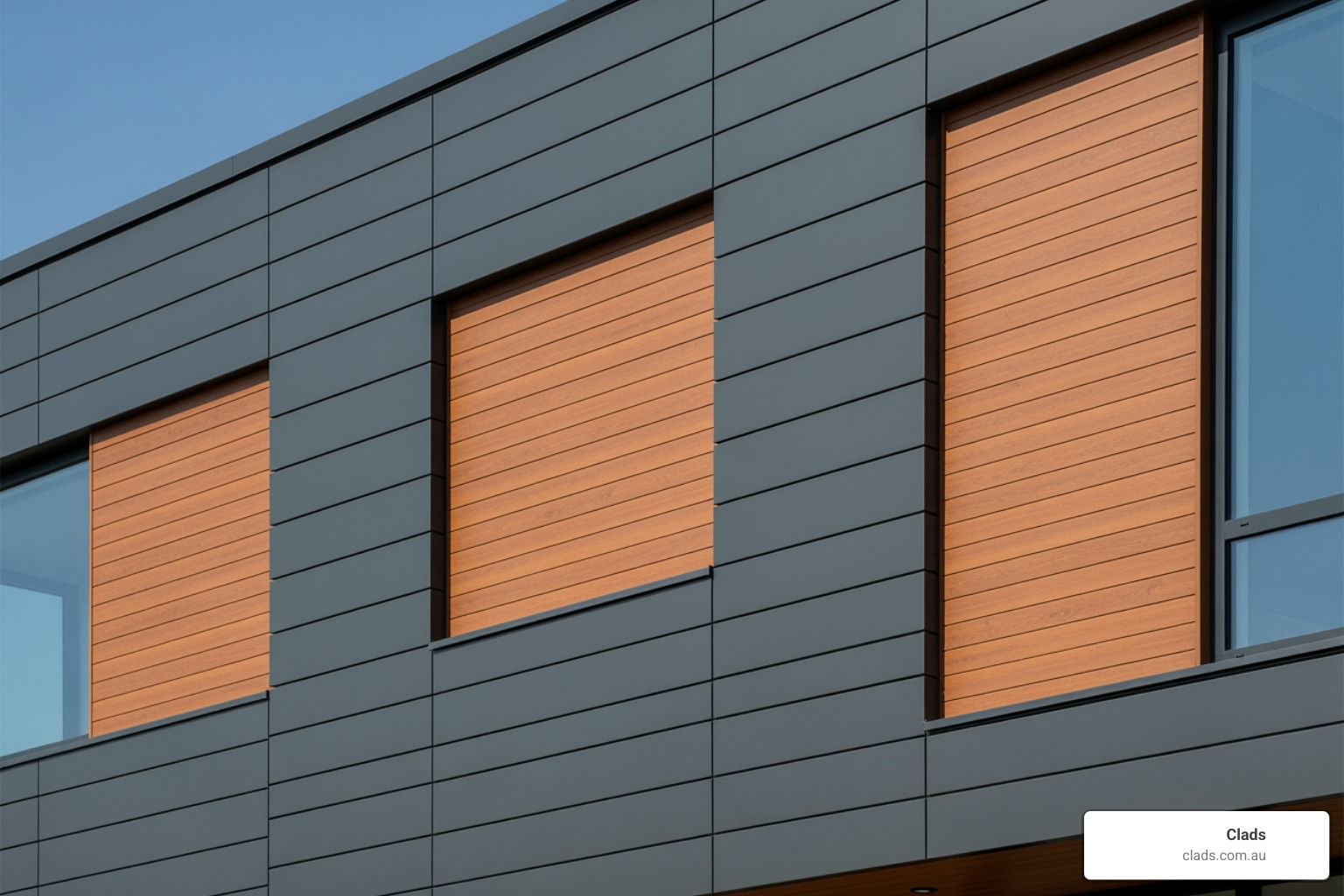
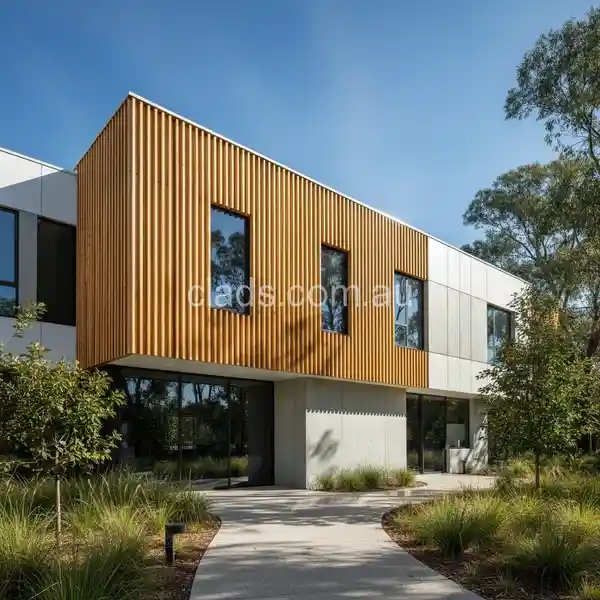
The aesthetic possibilities with aluminium cladding are genuinely exciting. We're not talking about a one-size-fits-all solution here. Our range includes sleek matte finishes for that clean, minimalist look, sophisticated wood-look finishes that give you the warmth of timber without any of the maintenance headaches, and metallic finishes that add a touch of modern luxury to any facade.
Want something truly unique? Custom colours let you match your exact vision, whether that's a brand identity for a commercial project or a personal style statement for your home. You can also choose between vertical or horizontal panel orientation, each creating a different visual effect. Vertical panels can make a building appear taller and more neat, while horizontal lines can create a sense of width and stability.
For architects and designers pushing creative boundaries, aluminium cladding can be perforated to create intricate patterns that play beautifully with light and shadow. It can even be curved to achieve flowing, sculptural forms that transform a building into a work of art. And here's an insider tip: don't be afraid to mix materials. Combining aluminium cladding with our stone cladding creates stunning textural contrast, while our acoustic panels work beautifully for interior spaces where sound quality matters.
What should you know about installing aluminium cladding?
One of the often-overlooked advantages of aluminium cladding is just how manageable it is to work with. The lightweight panels are far easier to handle on-site compared to heavier alternatives, which means installation can move along at a good pace. For experienced DIYers, particularly with our tongue and groove systems, installing aluminium cladding can be a genuinely rewarding project. The interlocking design simplifies alignment and creates that clean, professional finish you're after.
That said, while aluminium is incredibly robust in most situations, it can be dented if struck with significant force. This isn't usually an issue during normal use, but it's worth keeping in mind during installation and in high-traffic areas where impacts might occur.
Here's something that absolutely cannot be overlooked: correct joint sealing is essential for waterproofing. Properly sealed joints prevent water ingress, protect your building's structure, and contribute to the overall thermal performance of the system. It's one of those details that makes all the difference between a good installation and a great one.
At Clads Australia, we're passionate about supplying the best cladding products on the market. While we don't perform installations ourselves (our expertise is in product supply), we understand that not everyone has the experience or time to tackle a cladding project. If you need professional help, we're happy to connect you with a local installer in your area. Just reach out through our contact page and we'll point you in the right direction. Our goal is simple: to make sure you have access to both superior products and expert installation resources when you need them.
Frequently Asked Questions about Aluminium Cladding
What are the main disadvantages of aluminium cladding?
We believe in giving you the full picture, so let's talk about the few areas where aluminium cladding needs a bit of extra consideration. The main thing to be aware of is that aluminium can be dented if it takes a solid knock. This doesn't mean it's fragile, but it does mean you'll want to handle the panels carefully during installation and think twice before using it in spots where there's a real risk of heavy impacts, like near garage doors or in tight access areas where equipment might bump against it.
The other consideration is aluminium's thermal conductivity. Simply put, aluminium conducts heat quite readily, which is why pairing it with quality insulation in your wall cavity is so important. The good news is that when you use a rainscreen system with proper insulation, this characteristic is effectively managed, and you'll enjoy excellent energy efficiency. It's all about getting the complete system right.
How does aluminium cladding compare to timber?
If you're weighing up your options, here's where aluminium cladding really shines compared to traditional materials like timber. While timber has a classic appeal, it demands constant attention. It can rot, warp, crack, and needs regular painting, staining, or sealing to stay protected. With aluminium, all of those headaches simply disappear.
You're getting a material that maintains its integrity and appearance for decades without the ongoing maintenance burden. Furthermore, solid aluminium cladding provides a level of fire safety that timber simply can't match, giving you peace of mind along with great looks.
Is aluminium cladding suitable for coastal areas?
Absolutely, and this is one area where aluminium cladding truly excels! If your property is anywhere near the coast, you'll know how brutal salt spray can be on building materials. Many metals corrode and deteriorate quickly in these conditions, but aluminium is naturally resistant to corrosion.
Here's the clever bit: when aluminium is exposed to air, it forms a protective oxide layer on its surface. This invisible shield prevents rust and keeps the material structurally sound and looking great, even when it's constantly exposed to salty, moist air. Whether you're right on the beachfront or in a high-humidity area, aluminium cladding will maintain its integrity and appearance year after year. It's why so many coastal homes across Australia are making the switch.
How is aluminium cladding a sustainable choice?
If you care about the environment, and most of us do these days, you'll appreciate this: aluminium cladding is one of the most sustainable building materials you can choose. Aluminium is 100% recyclable and can be reused indefinitely without losing any of its inherent qualities or performance characteristics. That's pretty remarkable when you think about it.
But here's what really makes the difference: manufacturing products from recycled aluminium uses over 90% less energy than producing it from raw materials. That's a massive reduction in environmental impact. When you choose aluminium cladding, you're not just getting a durable, long-lasting product for your building. You're also making a responsible choice that helps reduce energy consumption and supports the circular economy. It's a win for your project and a win for the planet.
What is the difference between a facade and cladding?
This is a question we hear quite often, and it's worth clarifying because the terms sometimes get used interchangeably. The facade is the entire exterior face of your building. It includes everything you see from the outside, all the architectural elements, windows, doors, and decorative features that make up the building's appearance.
Cladding, on the other hand, is specifically the non-structural outer layer that you apply to the facade. Think of it as a protective and decorative skin. Its job is to shield your building from weather, improve its energy performance, and create the aesthetic you're after. So when you install aluminium cladding, you're adding a high-performance layer to your facade that does the heavy lifting in terms of protection and visual impact, while the structural elements of your building remain safely behind it.
Ready to Lift Your Project with Aluminium Cladding?
We hope this essential guide has given you a clear picture of what aluminium cladding can bring to your next Australian building project. From its remarkable 40 to 50 year lifespan and minimal upkeep to its superior fire safety and endless design possibilities, this material offers a modern, efficient, and visually stunning solution. It's a choice that truly delivers both impact and longevity, changing your facade with lasting beauty.
At Clads Australia, we're passionate about helping you create architectural aesthetics that make a statement. Our curated selection of premium aluminium cladding is specifically chosen to withstand the demanding Australian climate while bringing your unique design vision to life. Whether you're an architect planning a commercial project, a builder working on residential developments, a designer crafting something special, or a savvy homeowner ready for a DIY-friendly upgrade, we have both the expertise and the products to support your journey.
As a leading supplier of high-quality cladding solutions, we specialise in providing exceptional products rather than installation services. Many of our lightweight aluminium cladding options are perfectly suitable for experienced DIYers who enjoy hands-on projects. If you'd prefer professional assistance, simply reach out to us, and we can connect you with a local installer in your area.
Before making your final decision, we strongly encourage you to get large samples so you can see how our colours and textures look in different light conditions throughout the day. This simple step can make all the difference in achieving the exact aesthetic you're after. For more design inspiration and practical tips, read more design ideas on our blog.
We Create Aesthetics. Design the Difference.
Contact us today for expert advice or to request your free sample:
Contact Clads Australia | Order a Free Sample