



Why Timber Indoor Cladding is Changing Australian Interiors
Timber indoor cladding is a versatile design solution that brings natural warmth, texture, and architectural character to any interior. Whether you're creating a feature wall, improving acoustics, or adding timeless elegance, timber cladding offers both beauty and function.
Quick Guide: What Makes Timber Indoor Cladding Special
- Natural Warmth
- Acoustic Benefits
- Thermal Performance
- Design Versatility
- Sustainability
- Wellbeing Impact
For centuries, timber has been a go-to material for interiors. Today, it's experiencing a renaissance in Australian homes and commercial projects, with modern options ranging from sleek slat walls to acoustic solutions. This shift reflects a growing desire for natural materials that deliver both aesthetic impact and practical benefits.
At Clads Australia, we know that choosing the right cladding means balancing design vision with practicalities like cost and installation. This guide explores everything you need to know to make an informed decision about timber indoor cladding for your project.
Why Should You Choose Timber for Your Interior Walls?
There's something special about a room clad with timber. The way light plays across the grain and the natural texture makes a space feel instantly more inviting. But timber indoor cladding offers benefits that go far beyond aesthetics.
Choosing timber for your walls touches every aspect of your space. The visual appeal is obvious, with each plank telling a story through unique grain patterns. Beyond looks, timber has a proven positive effect on wellbeing. Studies show that wood in interiors can reduce stress and improve cognitive function, a concept known as biophilic design, which taps into our innate connection with nature.
The practical benefits are just as impressive. Timber offers excellent acoustic performance, turning echo-filled rooms into comfortable spaces. Some products can achieve Class A sound absorption, making them ideal for open-plan living areas or home offices. Timber also acts as a natural insulator and can help moderate room temperatures, complementing other energy-saving measures. From a sustainability standpoint, it is a renewable resource with low embodied energy compared to concrete or steel, bringing beauty and function to everyday spaces.
The Unique Beauty and Warmth of Wood
No two pieces of timber are identical. Each board has its own visual warmth, texture, and grain, making your installation genuinely one-of-a-kind. This timeless material is incredibly flexible, fitting in everywhere from a minimalist Japandi apartment to a rustic family home.
The natural tones, from pale pines to rich walnuts, have a depth that changes with the light, creating a living quality that paint or wallpaper cannot replicate. Whether you want a subtle backdrop or a bold feature wall, timber adapts to your vision.
How Timber Improves Your Home's Environment
Beyond looks, timber indoor cladding improves how your space functions. Its sound-dampening qualities are especially noticeable in modern homes with hard surfaces. Timber absorbs sound, reducing echo and creating a more peaceful environment. Profiled designs like slats are particularly effective at breaking up sound waves.
Timber's thermal performance also works year-round, helping retain warmth in winter and providing a buffer from heat in summer. This natural insulation can lead to real energy savings. Furthermore, quality timber products are natural and breathable, contributing to better indoor air quality. At Clads Australia, we believe in creating spaces that don't just look beautiful, but also work better for the people in them.
Exploring Your Options for Timber Indoor Cladding
When considering timber indoor cladding, the possibilities are vast. This section explores the different types, styles, and finishes available to match your design vision and ensure your selection delivers impact and longevity.
Common Types of Timber Used Indoors
The timber you choose influences the aesthetic, durability, and cost of your project. Each species brings its own personality to a space.
- Softwoods: Often affordable and available, Pine offers a light, natural look perfect for Scandinavian-inspired interiors. Cedar provides warmer colours and a tight grain, and its natural durability makes it great for striking internal feature walls.
- Hardwoods: For strength and sophistication, Oak is a classic choice with distinctive grain patterns and timeless elegance. For a richer, more dramatic look, Black Walnut delivers deep, dark tones that add a sense of luxury.
- Reclaimed Wood: Salvaged from old structures, this timber tells a story through its character marks and varied grain patterns, creating truly one-of-a-kind installations.
- Modified Woods: These timbers undergo treatments to improve performance. Thermally modified timber uses heat and steam to improve stability and resistance to moisture. Other processes, like acetylation, use non-toxic methods to make sustainably sourced softwoods as durable as tropical hardwoods, making them ideal for demanding interior applications.
Popular Styles and Finishes for Timber Indoor Cladding
The profile and finish you choose can completely transform your space.
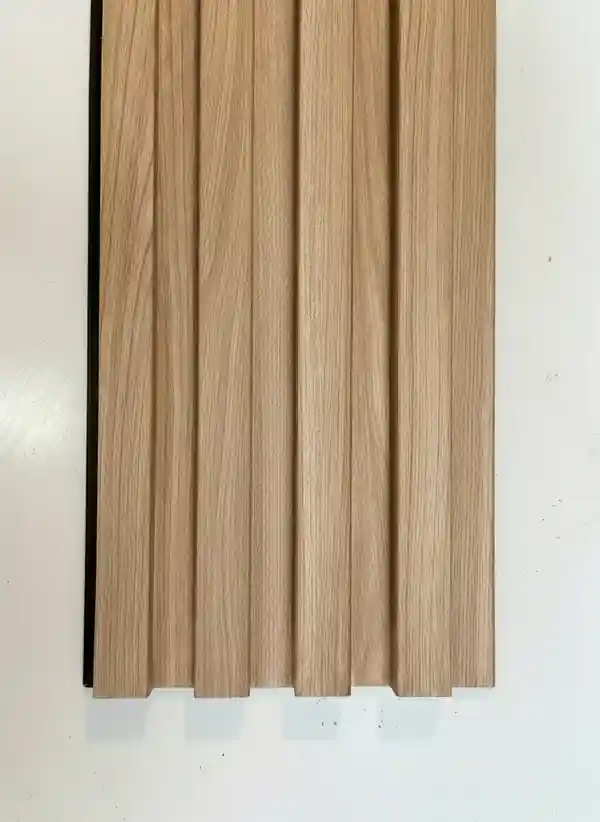
- Profiles: Tongue and Groove (T&G) offers a classic, smooth surface. Shiplap creates subtle shadow lines, suiting both rustic and contemporary styles. For a modern aesthetic, slats and battens add depth, texture, and architectural interest, and are often used for acoustic panels.
- Finishes: A natural or oiled finish improves the wood's inherent beauty. For a dramatic look, Shou Sugi Ban (charring) creates a dark, textured, and protective surface. Painted or whitewashed finishes offer a lighter aesthetic while preserving the wood's texture. Textured finishes, like wire-brushing, create tactile surfaces that catch the light in interesting ways.
How Timber Cladding Fits Modern Design Trends
Timber indoor cladding is a key element in many modern design trends due to its versatility and connection to nature.
- Feature Walls: A timber accent wall creates an instant focal point, adding warmth and texture that defines a space.
- Japandi Style: This fusion of Japanese minimalism and Scandinavian warmth relies on natural materials. Timber cladding provides warmth without clutter.
- Mid-Century Modern: Wall panelling or slatted screens in warm timber tones are a signature of this enduring style.
- Open-Plan Spaces: Cladding can visually connect or zone different areas without building solid walls, which is perfect for Australian homes that accept indoor-outdoor living.
- Vertical Installation: Installing panels vertically can make walls appear taller, adding a sense of grandeur to a room.
At Clads Australia, we always recommend getting large samples to see how the timber looks in your space under different lighting. This simple step ensures your final result matches your vision.
What Should You Consider Before Installation?
Moving from inspiration to action requires careful planning. This section covers the practical steps from costing to maintenance, ensuring your timber indoor cladding project is a success.
At Clads Australia, we understand a great project requires more than beautiful materials. It needs planning and realistic budgeting. We specialise in selling high-quality cladding products but do not offer installation services. For installation, we recommend engaging a professional to help make your project a reality.
Key Installation and Design Factors
Several factors influence the look and longevity of your cladding.
- Wall Preparation: Walls must be clean, dry, and structurally sound. Address any damage, moisture, or unevenness before you begin.
- Orientation: Vertical boards can make ceilings seem higher, while horizontal boards can make a room feel wider. Diagonal installations offer a dynamic, contemporary effect.
- Fixing Methods: Options include traditional nailing or screwing (concealed or exposed) and adhesives for lightweight panels. Some systems use clips for faster installation.
- DIY vs. Professional: Our lightweight systems are suitable for experienced DIY enthusiasts. However, complex designs or challenging spaces may benefit from a professional installer.
- Shadow Lines: The spacing and profile of your boards create visual depth and texture, so consider this detail carefully in your design.
Cost Implications of Different Types of Indoor Timber Cladding
Understanding the cost implications upfront helps you make informed decisions. The price of timber indoor cladding varies based on several factors.
- Wood Species: Softwoods like pine are more affordable. Hardwoods like oak are in the medium to high range, while high-performance modified timbers command premium prices.
- Profile and Finish: Standard profiles are more economical than custom designs. Specialised finishes like Shou Sugi Ban also add to the cost, though pre-finished panels can save on-site labour costs.
- Installation: Labour is a significant part of the budget. While our lightweight options are DIY-friendly for experienced renovators, professional installation costs vary based on project complexity.
Here's a quick comparison to help you understand the relative costs:
| Timber Option | Relative Cost | Durability | Maintenance |
|---|---|---|---|
| Pine | Low | Moderate | Moderate |
| Oak | Medium-High | High | Low-Moderate |
| Cedar | Medium | High | Low |
| Reclaimed Wood | Medium-High | High | Low-Moderate |
| Modified Wood | High | Very High | Low |
How to Maintain Your Timber Cladding
Quality timber indoor cladding is refreshingly low-maintenance. Our products are chosen for longevity and durability, giving you style without the maintenance headache.
For day-to-day care, regular dusting with a soft cloth or vacuum brush is usually all that's needed. For a deeper clean, use a damp cloth with a mild, pH-neutral wood cleaner, avoiding harsh chemicals. Minor scratches can often be buffed out with wood repair kits or a suitable oil or wax.
For long-term care, some finishes may benefit from periodic re-oiling or re-sealing. Always follow the manufacturer's recommendations. With basic care, your cladding will retain its beauty for years. If you have questions, get in touch with us for personalised advice, or request a free sample to see the quality for yourself.
Frequently Asked Questions about Timber Cladding
We often get questions about timber indoor cladding from homeowners, architects, and builders. Here are the most common ones.
Can timber cladding be used in wet areas like bathrooms or kitchens?
Yes, but it requires the right choices. Using timber indoor cladding in wet areas is possible when you select a suitable timber species and apply proper sealing. Species with natural moisture resistance, like Cedar, are a good start. High-performance modified woods offer even better stability and resistance to humidity. A waterproof sealant is crucial to protect the timber. When done right, timber in a wet area creates a luxurious, spa-like atmosphere.
What are the fire safety ratings for indoor timber cladding?
Fire safety is a serious consideration. The fire rating of timber indoor cladding depends on the timber species and any fire-retardant treatments applied. With specific treatments, it is possible to achieve a high fire rating, which is crucial for commercial projects where building codes are stringent. In Australia, compliance with the National Construction Code is non-negotiable. We can guide you to a product and treatment combination that meets your safety and design needs.
How does timber cladding improve room acoustics?
Timber is a naturally sound-absorbent material that can transform a noisy, echo-filled room. When sound waves hit timber, especially in slatted or profiled designs, they are broken up and absorbed rather than bouncing back. This reduces echo and creates a more pleasant auditory experience. This is especially valuable in open-plan homes with hard surfaces, improving sound quality in living rooms, home offices, or commercial spaces.
Is timber cladding a sustainable choice for interiors?
Absolutely. Timber is one of the most sustainable building materials, with a lower carbon footprint than concrete or steel. As a renewable resource, timber stores carbon. The key is choosing products from sustainably managed forests, indicated by certifications like FSC® (Forest Stewardship Council) or PEFC (Programme for the Endorsement of Forest Certification). At Clads Australia, we are committed to offering sustainable solutions that are beautiful, functional, and kind to the planet.
How can I be sure I'm choosing the right colour and texture?
The best way is to get large samples. Timber looks different under various lighting conditions. The only way to truly see how a species and finish will work in your space is to view a sample in that environment. We recommend pinning large samples to your wall and observing them for a few days. This simple step ensures the final result matches your vision and avoids costly surprises.
Ready to explore your options for timber indoor cladding? Request a free sample to see the quality and beauty for yourself, or get in touch with our team for expert advice on your specific project.
Conclusion
After exploring timber indoor cladding, it's clear why so many Australian homeowners, architects, and designers are embracing this remarkable material. The unique combination of natural beauty, practical benefits, and environmental responsibility makes timber an exceptional choice for changing any interior space.
Whether you're dreaming of a cosy living room feature wall, seeking better acoustics in your home office, or wanting to bring warmth to a minimalist bedroom, timber indoor cladding offers solutions that are both visually stunning and functionally superior. The right timber species, profile, and finish can help you create a design that feels personal, timeless, and perfectly suited to your lifestyle.
At Clads Australia, we're passionate about helping you bring your vision to life. As the design-led cladding specialists, we're committed to providing high-quality solutions that deliver impact and longevity. We understand that choosing cladding is about more than just covering walls, it's about creating architectural aesthetics that inspire and spaces where you truly want to spend time.
We Create Aesthetics. Design the Difference.
Ready to start your project? Explore our blog for more inspiration and practical advice on working with timber and other cladding materials. We'd love to help you find the perfect solution for your space. Request a free sample to see and feel the quality for yourself, or get in touch with our team today for expert guidance custom to your specific project needs.