



Your Home's First Impression and First Line of Defence
Durable exterior cladding is more than just a cosmetic upgrade; it's the protective shell that shields your home from Australia's harsh sun, driving rain, bushfire risk, and hungry termites. The right choice can last 50+ years with minimal maintenance, while the wrong one could see you repainting, repairing, or replacing within a decade.
Here are the most durable cladding materials available:
- Brick and Stone: 100+ years lifespan, unbeatable fire resistance, zero rot or pest issues
- Fibre Cement: 50+ years, non-combustible, resists rot, pests, and impact
- Metal (Steel/Aluminium): 40-70+ years, completely rot and pest-proof, highly fire-resistant
- Wood-Plastic Composite (WPC): 25+ years, moisture and pest-resistant, low maintenance, modern aesthetic
Your home's exterior is more than just a pretty face; it's the armour that protects your family and your investment from the harsh Australian elements. Choosing the right cladding is a crucial decision that impacts everything from curb appeal and energy bills to long-term maintenance costs.
If you're tired of constantly maintaining traditional timber cladding or worried about how your current exterior will hold up over time, you're in the right place. This guide will walk you through everything you need to know about selecting durable exterior cladding that is truly built to last.
Whether you're building new, renovating, or simply upgrading your home's weather protection, understanding what makes cladding durable will help you make a smart, long-term investment. At Clads Australia, we specialise in supplying high-quality cladding solutions that combine durability with style, perfect for Australian conditions.
What Key Qualities Make Exterior Cladding Durable?
Before you start comparing materials and getting quotes, let's talk about what "durable" actually means when it comes to durable exterior cladding. It's not just about being tough, it's about how well a material performs across several key areas that determine whether your cladding will still look great and protect your home decades from now.
Think of durability as a team effort. A truly durable material needs to excel in multiple performance factors, not just one or two. Your home's cladding faces a constant barrage of challenges from the Australian environment, from scorching UV rays to driving rain, and it needs to handle all of them without breaking a sweat.
Moisture and rot resistance is absolutely critical, especially in Australia's varied climates. Whether you're dealing with humid coastal conditions or heavy rainfall, your cladding must repel water effectively. When moisture penetrates the wall assembly, you're looking at potential mould, mildew, and structural decay, none of which are cheap or easy to fix. Materials like Wood-Plastic Composite (WPC) are designed to be 100% waterproof, which means they won't soak up moisture or rot away like traditional timber can.
Then there's UV stability, and if you've ever seen a sun-bleached plastic chair in someone's backyard, you'll understand why this matters. The Australian sun is relentless, and prolonged exposure to intense ultraviolet rays can cause many materials to fade, crack, or become brittle. Quality cladding maintains its colour and structural integrity year after year, so your home doesn't end up looking tired and weathered after just a few summers.
Your cladding also needs solid impact resistance. From hailstorms and wind-borne debris to the occasional bump from a garden hose or football, your exterior takes a beating. Robust materials like masonry, steel, and fibre cement possess the strength to resist these forces without denting, cracking, or puncturing. Nobody wants to see damage from a simple accident or storm.
Fire resistance isn't just a nice-to-have feature, it's potentially life-saving, especially in bushfire-prone areas. Materials are rated for their flammability and how quickly flames can spread across their surface. Choosing non-combustible options offers genuine peace of mind and improved protection for your home and family. Find out more about fire resistance.
Don't forget about pest resistance either. Termites and carpenter ants cause billions of dollars in damage across Australia annually, often working away silently inside your walls. Durable cladding creates a solid barrier that pests cannot penetrate or consume. Materials like fibre cement, metal, and WPC are naturally resistant to these unwelcome guests, giving you one less thing to worry about.
Finally, there's the matter of low maintenance, which is music to most homeowners' ears. Who wants to spend their weekends painting, sealing, or repairing their home's exterior? Truly durable cladding requires minimal upkeep, saving you time, effort, and money over the years. This means more time enjoying your home and less time working on it, which is exactly how it should be.
What Are the Most Durable Exterior Cladding Materials on the Market?
When it comes to longevity, not all cladding is created equal. Some materials offer incredible resilience and can last a lifetime with minimal fuss. After years of helping Australian homeowners protect their homes, we've seen which materials truly stand the test of time. Here's a look at the top contenders for the most durable exterior cladding options available today, all perfectly suited to Australian conditions.
Wood-Plastic Composite (WPC) Cladding
WPC cladding is a modern marvel, blending recycled wood fibres and plastics to create a material that offers the beauty of timber without the demanding upkeep. Think of it as timber's smarter, tougher sibling. It's an increasingly popular choice for its balance of aesthetics, performance, and sustainability, especially for those seeking a low-maintenance, DIY-friendly option.
What makes WPC particularly brilliant for Australian homes is its extreme resistance to moisture, rot, and pests. Whether you're in humid Brisbane or coastal Sydney, WPC simply doesn't care about water the way timber does. The colours are UV-stable too, meaning that harsh Aussie sun won't leave your cladding looking tired and faded after a few summers.
Maintenance? It's refreshingly simple. An occasional wash-down is typically all you need to keep it looking sharp. Many WPC systems are also designed to be genuinely DIY-friendly, with panels that snap together quickly for easy installation. Our WPC panels are designed to give you that gorgeous natural wood look without the high price tag and ongoing hassle of traditional timber.
You can expect WPC cladding to last 25 years or more, providing long-term value and protection. It's an excellent choice for homeowners who desire the warmth of wood but need the resilience of a modern composite. The fact that it's made from recycled materials is the cherry on top, making it an eco-conscious choice as well.

Fibre Cement Cladding
Fibre cement is a versatile powerhouse made from sand, cement, and cellulose fibres. It's the chameleon of the building world, able to be moulded to mimic everything from painted weatherboards to rendered finishes. This material is a fantastic alternative for those wanting the look of traditional materials with seriously improved durability.
The standout feature of fibre cement is that it's inherently non-combustible, offering superior fire resistance which is absolutely crucial in many parts of Australia. It's also highly resistant to rot, pests, and impact damage, meaning your home is well-protected from just about everything nature throws at it. Termites? They won't even bother trying. Hail? It can handle it.
Fibre cement's ability to hold paint well means it comes in a huge range of styles and colours, providing immense design flexibility. Whether you're after a coastal cottage vibe or a sleek modern look, there's a fibre cement option that fits. With proper installation and care, this durable exterior cladding can last 50 years or even longer.
We find this material to be a fantastic choice for those seeking a low-maintenance option that can achieve almost any aesthetic. Its resistance to rot and insect damage makes it a robust choice for homes right across Australia. You can learn more about fibre cement's properties if you're curious about the technical details.
Metal Cladding
Offering a sleek, contemporary aesthetic, metal cladding made from materials like steel or aluminium is prized for its exceptional strength and longevity. It's a perfect fit for modern architectural designs and offers a robust, low-maintenance solution that's built to last decades.
Metal cladding is incredibly strong and impact-resistant, capable of withstanding the harshest weather conditions Australia can dish out. It's non-combustible, providing excellent fire safety, and it's completely immune to rot and pests. No termites, no rot, no worries. Aluminium, in particular, is durable, eco-friendly, and infinitely recyclable, making it a sustainable choice. Steel is similarly tough and requires very little maintenance over its long life.
Depending on the specific metal and finish you choose, metal cladding can last anywhere from 40 to 70+ years. That's potentially a lifetime of protection with minimal fuss. We've found that metal cladding excels not just in durability and low maintenance, but its ability to reflect heat can even help regulate indoor temperatures during our scorching summers. For a truly modern and resilient facade, it's hard to beat.
Traditional Masonry (Brick and Stone)
The original durable exterior cladding, brick and stone have been used for centuries for a very good reason. They offer a timeless, classic look and are perhaps the absolute best in terms of sheer longevity and toughness. For homeowners seeking an enduring aesthetic and unparalleled resilience, masonry remains a top choice that never goes out of style.
Brick and stone offer an unbeatable lifespan, often lasting for centuries with minimal maintenance. They provide excellent fire and weather resistance, standing up to the harshest Australian elements without breaking a sweat. Their thermal mass properties also contribute to better insulation, keeping your home cooler in summer and warmer in winter, while offering great sound dampening qualities too.
Brick is generally made of clay, a natural resource whose extraction doesn't pollute the air, water, or soil, adding to its sustainability appeal. Stone is similar, being extremely durable and made entirely of natural materials. Masonry is known to last 75 years at a minimum, and often 100+ years or more, making it one of the longest-lasting cladding options available.
While the initial investment can be higher than some modern alternatives, the long-term advantages of brick and stone are undeniable. Their classic appeal and incredible resilience make them a wise choice for a home built to last generations. It's the kind of investment your grandchildren will thank you for.
How Do I Choose the Right Cladding for My Home?
Selecting the perfect durable exterior cladding involves more than just picking the toughest material. You need to balance performance with your home's style, your local climate, and your budget to find the ideal solution that truly suits your needs and keeps your home protected for decades to come.
Matching Your Climate and Architectural Style
Australia's diverse landscapes mean diverse climatic challenges for your home, and Victoria is no exception. If you're near the coast, your cladding needs to stand up to salt spray and high humidity, which means high corrosion resistance is essential. Living in a sunny area? You'll want superior UV protection to prevent fading and material degradation over time. And if you're in a bushfire-prone region, materials with high fire resistance ratings aren't just nice to have, they're critical for your family's safety.
Your home's architectural style deserves just as much consideration. A sleek, modern home looks stunning with the clean lines of metal cladding or the contemporary appeal of WPC cladding. Heritage-style houses, on the other hand, shine with the timeless charm of brick or a fibre cement product designed to replicate traditional timber. It's all about finding that sweet spot where function meets form, where your cladding both protects and complements your home's character.
Weighing Upfront Cost vs. Long-Term Value
When evaluating cladding options, it's crucial to look beyond the sticker shock of the initial purchase price and think about what you're getting for your money over the years. Yes, materials like brick and stone have a higher upfront cost, especially when you factor in professional installation. But here's the thing: they'll outlast most of us, with a lifespan of 100+ years and virtually no maintenance required. That's value you can see and feel every single day.
On the other hand, WPC cladding offers an outstanding balance that many Australian homeowners love. You get affordability, incredibly low maintenance, and a solid 25+ year lifespan, all without breaking the bank. Fibre cement sits nicely in the middle ground, with a 50+ year lifespan and versatility that's hard to beat, often at a more accessible price point than masonry.
Think of it this way: investing in a durable material now means you won't be dealing with constant repairs, repainting, or premature replacement down the track. That's money saved, weekends reclaimed, and peace of mind earned.
The Growing Importance of Sustainable Cladding
Sustainability is becoming increasingly important for Australian homeowners, and it's a value we deeply share at Clads Australia. Choosing an eco-friendly cladding material isn't just good for the planet, it's about building responsibly for future generations and potentially reducing your home's carbon footprint.
Materials with recycled content, like WPC cladding, are brilliant choices. They blend recycled plastic and wood fibres, giving new life to materials that might otherwise end up in landfill. Fully recyclable materials like aluminium mean that at the end of their long service life (40-70+ years!), they can be melted down and used again without any loss of quality.
Even natural products like brick and stone can be incredibly sustainable when sourced responsibly. Their extraction methods often have minimal environmental impact, and they last for centuries, which means no replacement waste.
Here's something worth remembering: choosing a long-lasting material is inherently sustainable. When your cladding lasts 50, 70, or 100+ years, you're dramatically reducing the need for future replacements and all the resource consumption that comes with them. We believe that building for the long run is building for a sustainable future, and that's something we can all feel good about.
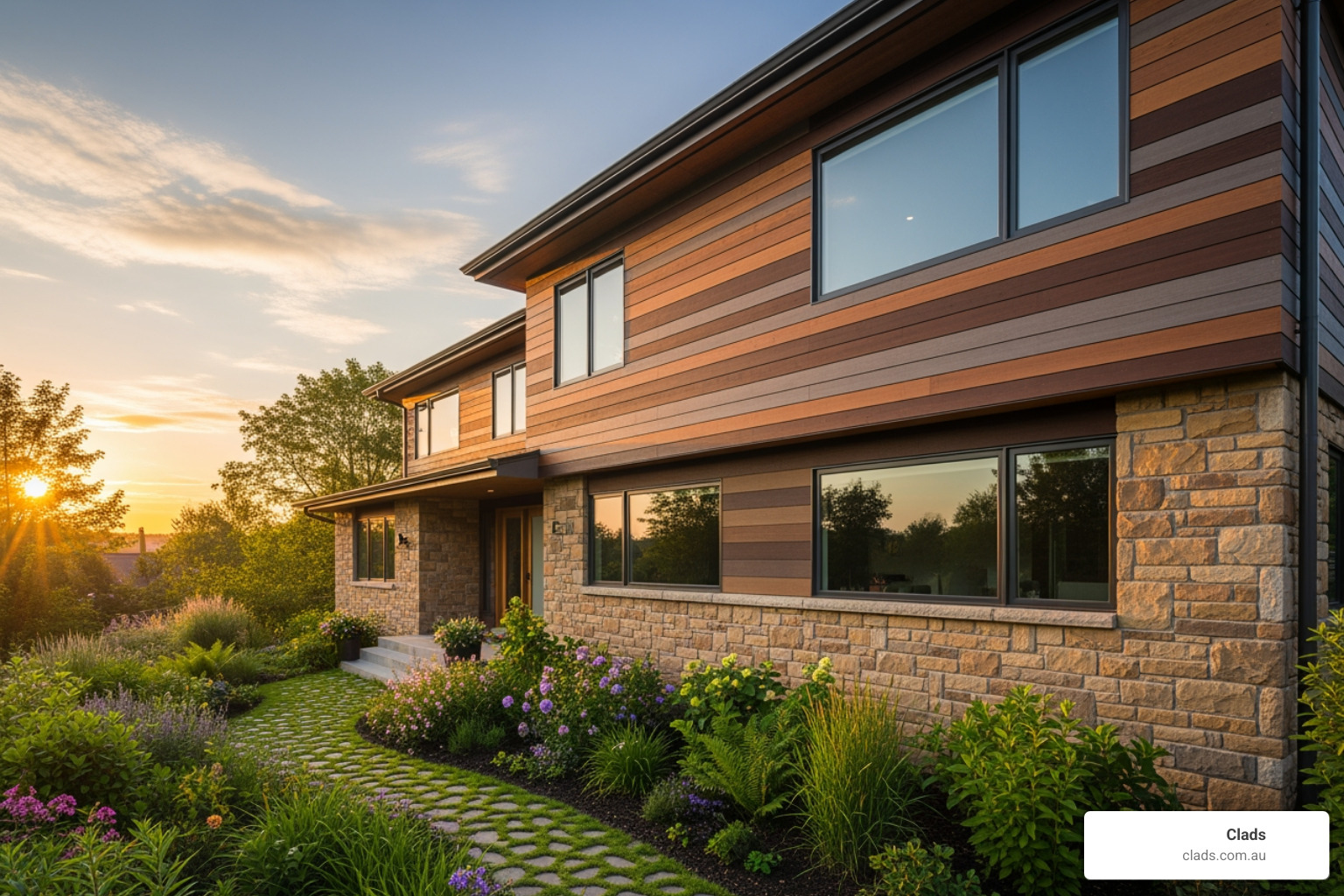
Why Are Proper Installation and Maintenance So Important?
Here's the thing: even the most durable exterior cladding material in the world can fail if it isn't installed correctly. It's a bit like buying a top-of-the-line sports car and then letting someone who's never driven before take it for a spin! Professional installation, or meticulous work by a skilled DIYer, is essential to ensure your cladding performs as it should for its entire lifespan.
We always say at Clads Australia, the best cladding in the world is only as good as its installation! While we specialise in supplying premium cladding products, we can also help connect you with experienced installers who know exactly what they're doing.
The Critical Role of a Rainscreen System
One of the most important aspects of a successful cladding installation, particularly during Australia's wet seasons, is the implementation of a "rainscreen" assembly. This isn't as complicated as it sounds, we promise! It simply involves creating a small air gap, typically 6 to 10mm, between the back of the cladding material and the wall's weather-resistant barrier (WRB).
Why does this matter? Well, this clever little gap allows any moisture that gets past the outer cladding layer to drain away effectively and dry out naturally. Think of it as giving your walls room to breathe. Without this space, trapped moisture can lead to all sorts of nasty problems like wood rot, mould growth, and even structural failure, especially with materials that can absorb water.
A proper rainscreen system ensures excellent ventilation and moisture management, significantly extending the life of your entire wall assembly, not just the cladding itself. It's one of those behind-the-scenes heroes that keeps your home protected for decades.
Simple Maintenance for Maximum Longevity
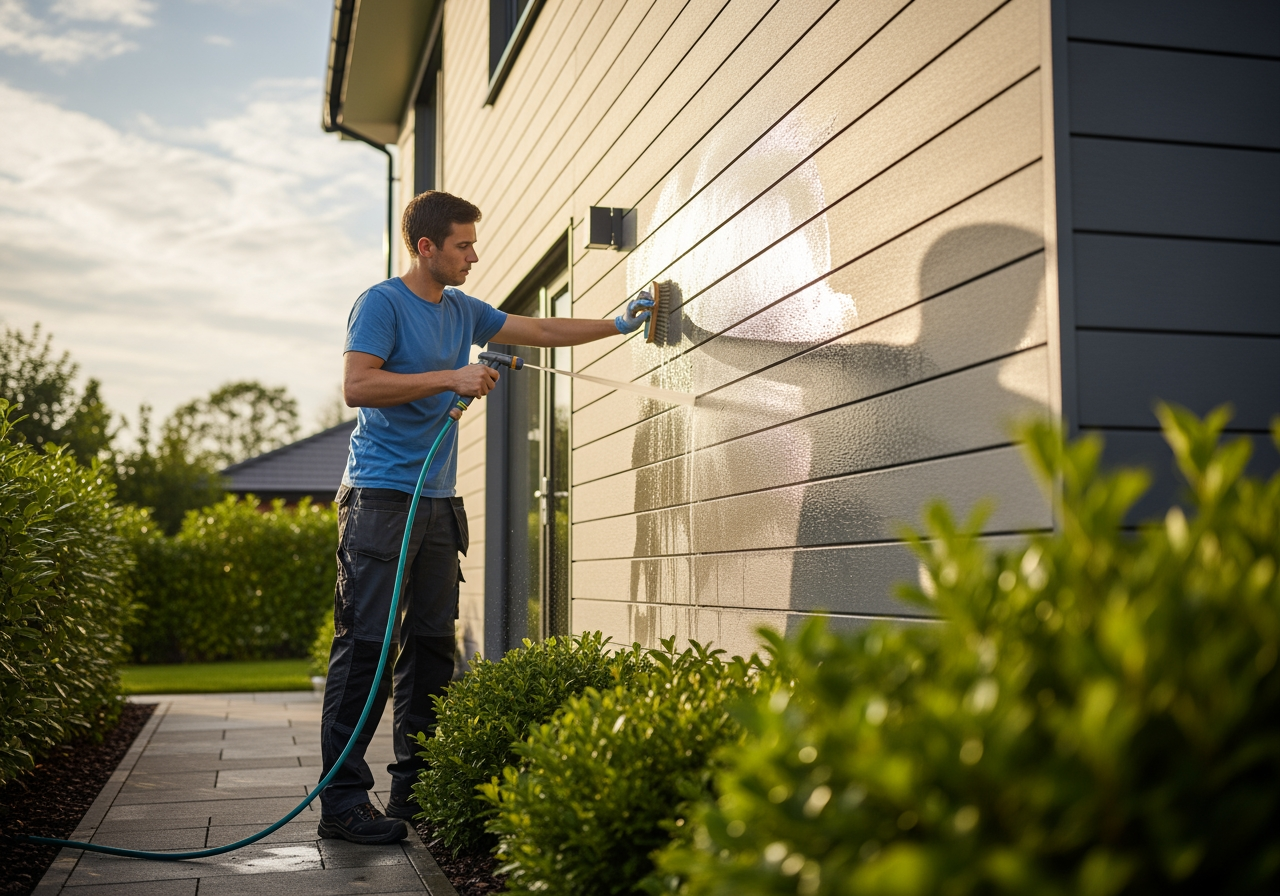
While durable exterior cladding materials are certainly low-maintenance, they aren't "no-maintenance." Think of it like a good quality car; it doesn't need constant tinkering, but a regular wash keeps it looking great and performing optimally. The good news? For materials like WPC, fibre cement, and metal, a simple annual wash-down with a garden hose and mild detergent is usually all that's needed to keep them looking their best and performing for decades.
Our WPC panels, for example, are incredibly easy to clean. A simple rinse is usually sufficient to remove dust and dirt, and you'll want to avoid harsh chemicals to preserve that beautiful finish. Fibre cement benefits from a wash every 6 to 12 months with a garden hose and mild detergent, but steer clear of pressure washers and abrasive products that can damage the surface. It's also wise to ensure gutters are clean and vegetation doesn't grow on the cladding itself.
Metal cladding can be kept pristine with a gentle cleaning using water and a soft brush to remove dirt. For stubborn stains like oil, tar, or wax, mineral spirits can be used, followed by a thorough rinse. Masonry (brick and stone) generally handles regular washing well, often with a pressure washer, though you'll want to avoid direct aim at mortar joints. For stubborn stains, a little liquid lye can be applied, and diluted bleach (around 2 tablespoons in 1 litre of water) can tackle mould effectively.
By following these simple maintenance steps, you can ensure your durable cladding continues to protect and beautify your home for its full intended lifespan. For more inspiration on cladding and how to make the most of your home's exterior, check out our latest blog posts.
Frequently Asked Questions about Durable Cladding
What is the most low-maintenance durable cladding?
If you're after the ultimate set-and-forget solution, materials like WPC and metal cladding are your best mates. These modern materials don't require the tedious cycle of painting, staining, or sealing that traditional timber demands. They're naturally resistant to rot, mould, and those pesky termites that love to munch on Australian homes.
The beauty of these materials is their simplicity. An occasional wash with water and a bit of mild detergent is generally all they need to stay looking fantastic for decades. It's the kind of low-maintenance performance that gives you more time to enjoy your home rather than constantly working on it. Our WPC panels, for instance, are designed to keep their good looks with minimal fuss, which is exactly what most homeowners are after.
Can I install durable exterior cladding myself?
This is a question we get asked all the time, and the honest answer is: it depends! Heavy options like brick and stone are definitely in the "call a professional" category. These materials require specialised skills and equipment, and attempting them yourself could lead to expensive mistakes.
However, here's the good news. Some modern systems, particularly our WPC cladding, are genuinely designed with DIY enthusiasts in mind. These products often feature clever interlocking panels and straightforward fixing systems that make installation much more accessible for confident homeowners. We can provide guidance and connect you with helpful resources, but we always recommend honestly assessing your skill level and the complexity of your specific project before diving in. While we supply top-quality cladding products, we don't install them ourselves, but we're happy to help connect you with trusted installers if you need that extra support.
How does new cladding improve my home's value?
Let's talk about return on investment, because upgrading to durable exterior cladding can genuinely boost your home's worth in several meaningful ways. First and most obviously, there's the instant curb appeal factor. A fresh, modern facade makes your home stand out in the neighbourhood and creates that crucial positive first impression for potential buyers.
But it goes deeper than just looks. New cladding sends a powerful message that your home is well-protected from Australia's harsh elements and requires less ongoing maintenance. This is a major selling point that savvy buyers absolutely notice and value. They're not just buying a pretty house; they're investing in a home that's been properly cared for and won't demand constant upkeep or expensive repairs down the track. Many durable cladding materials also improve energy efficiency, which is increasingly important to Australian homeowners looking to reduce their bills and environmental footprint.
Ready to Protect and Beautify Your Home for the Long Haul?
Choosing durable exterior cladding is genuinely one of the smartest investments you can make in your home. It's not just about making your house look fantastic (though that's a lovely bonus!). It's about providing essential protection against Australia's tough climate, improving your home's energy efficiency, and giving you genuine peace of mind that your investment is secure for decades to come.
When you take the time to consider factors like material performance, your local climate conditions, and long-term value rather than just the initial price tag, you're setting yourself up for success. You'll select the perfect armour for your home, one that truly works for your specific situation and lifestyle.
If you're looking for stylish, low-maintenance cladding solutions that are built to last, the team at Clads Australia is here to help. We specialise in high-quality cladding solutions for exterior spaces, with a particular focus on our durable exterior cladding options like WPC panels that combine resilience with cutting-edge design. Whether you're a homeowner planning a DIY renovation or a contractor working on a larger project, we've got options that will work perfectly for you.
Based right here in Sunshine, Victoria, we understand what Australian homes need to withstand our unique conditions. Our range includes trusted, DIY-friendly WPC cladding that offers the warmth of timber without the constant maintenance headaches. While we don't install cladding ourselves, we're always happy to connect you with experienced installers in your area who can help bring your vision to life.
Ready to get started on changing your home's exterior? Contact Clads Australia today for expert advice and a free quote! We'd love to chat about your project and help you find the perfect solution that will protect and beautify your home for years to come.