



Why External Thermal Cladding Is Changing Australian Homes
Thermal cladding external systems are protective layers installed on your building's exterior, combining insulation with weather-resistant panels. These systems create a continuous thermal barrier that reduces heat loss in winter and heat gain in summer, while also protecting your home from the elements.
Quick Answer: What You Need to Know About Thermal Cladding External
- What it is: A multi-layer system wrapping your building in insulation and durable cladding panels.
- Key benefit: Can save up to 35% on energy costs by preventing heat transfer through walls.
- How it works: Creates a protective second skin that keeps indoor temperatures stable.
- Best for: New builds and existing homes needing improved energy efficiency and weather protection.
- Materials: WPC, fibre cement, and stone cladding paired with insulation layers.
- ROI: Most homeowners recover their investment within 7-10 years through lower energy bills.
If your heating and cooling costs are climbing while your home struggles to stay comfortable, you're not alone. Many Australian homes face challenges with energy inefficiency because traditional wall construction allows heat to escape through thermal bridges and poorly insulated surfaces.
External thermal cladding solves this by wrapping your building in a continuous insulation layer, then protecting it with stylish, durable cladding panels. Think of it as giving your home a high-performance coat that also looks fantastic.
At Clads Australia, we specialise in supplying high-quality external cladding systems that deliver both thermal performance and architectural aesthetics. Our range includes lightweight WPC cladding, robust fibre cement, and neat stone options, all designed for Australian conditions.
The building sector accounts for a large portion of energy consumption, with heating and cooling being major contributors. When properly installed, external insulation can significantly reduce a building's heating needs, making it one of the most effective upgrades for your home's comfort, running costs, and long-term value.
What Makes Thermal Cladding External Systems Different?
Thermal cladding external systems stand apart by forming a protective second skin around your building. Unlike internal insulation, which reduces room space, external cladding is applied to the exterior walls. This creates a continuous thermal envelope that wraps the entire structure for optimal performance.
These multi-layered systems typically involve an insulating layer fixed to the structural wall, covered by a protective and decorative outer cladding. Some systems also incorporate a ventilated cavity between the insulation and the cladding to improve moisture management and thermal regulation.
At Clads Australia, we supply the highest quality cladding components for these systems. Our WPC, fibre cement, and stone cladding are designed to integrate seamlessly with various insulation types, providing both superior thermal performance and stunning architectural aesthetics for your home.
How Can Cladding Benefit Your Property and Your Wallet?
Investing in thermal cladding external systems offers numerous benefits. The most immediate impact is on your energy bills. A properly insulated facade can save up to 35% of energy loss, significantly reducing heating and cooling costs. This means lower utility bills and more money in your pocket.
Beyond savings, external thermal cladding reduces your home's carbon footprint by making it more energy-efficient. For homeowners, these systems lead to improved indoor comfort, keeping your home warmer in winter and cooler in summer. This is especially valuable in Australia's varied climate.
Finally, thermal cladding can increase your property's value. It improves curb appeal with a fresh, modern facade and boosts the home's energy rating, a key selling point for buyers. The return on investment is impressive, with many homeowners recovering their initial cost within 7-10 years through energy savings. It's truly cladding that delivers impact and longevity.
Explore our range of external cladding solutions
How Does Cladding Support a Healthier Environment?
The environmental benefits of thermal cladding external systems are significant. Buildings are major energy consumers, accounting for a substantial portion of CO2 emissions and energy use globally. We see similar trends here in Australia.
By reducing heating and cooling demands, thermal cladding directly lowers your home's energy consumption and CO2 emissions. Effective insulation can reduce a building's heating needs by up to 70 percent, contributing to national and global efforts to combat climate change.
Our commitment at Clads Australia is to supply products that support green building goals. We offer materials chosen for their durability and low-maintenance properties, further reducing their environmental impact over their lifespan. Choosing thermal cladding is a step towards creating architectural aesthetics that are also environmentally responsible.
How Does Thermal Cladding Work? The Science Behind the System
What Are the Key Layers in a Thermal Cladding System?
Understanding how thermal cladding external systems work means knowing their components. Each layer has a specific job.
- Structural Wall: The existing wall of your home (brick, concrete, or timber frame) that provides the primary support.
- Insulation Layer: The workhorse of the system. Boards of insulating material (like mineral wool, EPS, or PIR) are fixed to the structural wall, creating a continuous thermal barrier that stops heat transfer.
- Fixing System: Adhesives, mechanical fasteners, or a combination of both that hold the system together. A proper fixing system is crucial to prevent thermal bridging.
- Ventilated Cavity: An optional air gap between the insulation and cladding that helps manage moisture, prevent condensation, and improve thermal performance.
- Cladding Panel: The visible exterior that provides protection and style. At Clads Australia, we supply a range of high-quality WPC, fibre cement, and stone panels that create stunning architectural aesthetics.
When these layers work together, you get a building envelope that's both thermally efficient and visually appealing.
How Does Cladding Perform in Summer and Winter?
One of the best features of thermal cladding external systems is their adaptability to Australia's climate extremes, keeping your home comfortable year-round.
During winter, the continuous insulation layer acts like a warm coat for your house, keeping the heat you've paid for inside. Your walls maintain milder temperatures, improving your building's thermal inertia. This means your heating system works less, and you save on energy bills.
When summer arrives, the system reverses its role. The same insulation layer prevents external heat from penetrating your home. This dramatically reduces the heat flow that would normally have your air conditioner working overtime. Your indoor spaces stay cooler and more comfortable, even on the hottest days.
The beauty of Clads Australia cladding systems is that they deliver this year-round performance with style and without the maintenance headache. You get a consistently comfortable indoor environment and lower energy bills in every season.
Why Is Eliminating Thermal Bridges So Important?
Thermal bridges are weak spots in your home's insulation. They are materials within your exterior wall, like a steel beam, that conduct heat better than the surrounding insulation, creating a path for heat to escape or enter.
The impact of thermal bridges is significant. They reduce thermal performance, forcing your heating or cooling systems to work harder and increasing your energy bills. They can also create cold spots on interior surfaces, leading to condensation and potential mould growth.
Research shows that cladding attachments can reduce insulation performance by 5% to 10% in well-designed systems, but by as much as 80% in poorly designed ones. This highlights why the right approach is so important.
At Clads Australia, we supply the cladding panels and emphasize the importance of thoughtful system design to minimise thermal bridges. Using continuous insulation and efficient attachment systems is key. Whether you're a DIYer or working with a professional, understanding thermal bridging ensures your investment delivers the expected energy performance. If you need help finding a local installer who understands these principles, we can connect you with one in your area.
Choosing the Right System: Materials, Style, and Durability
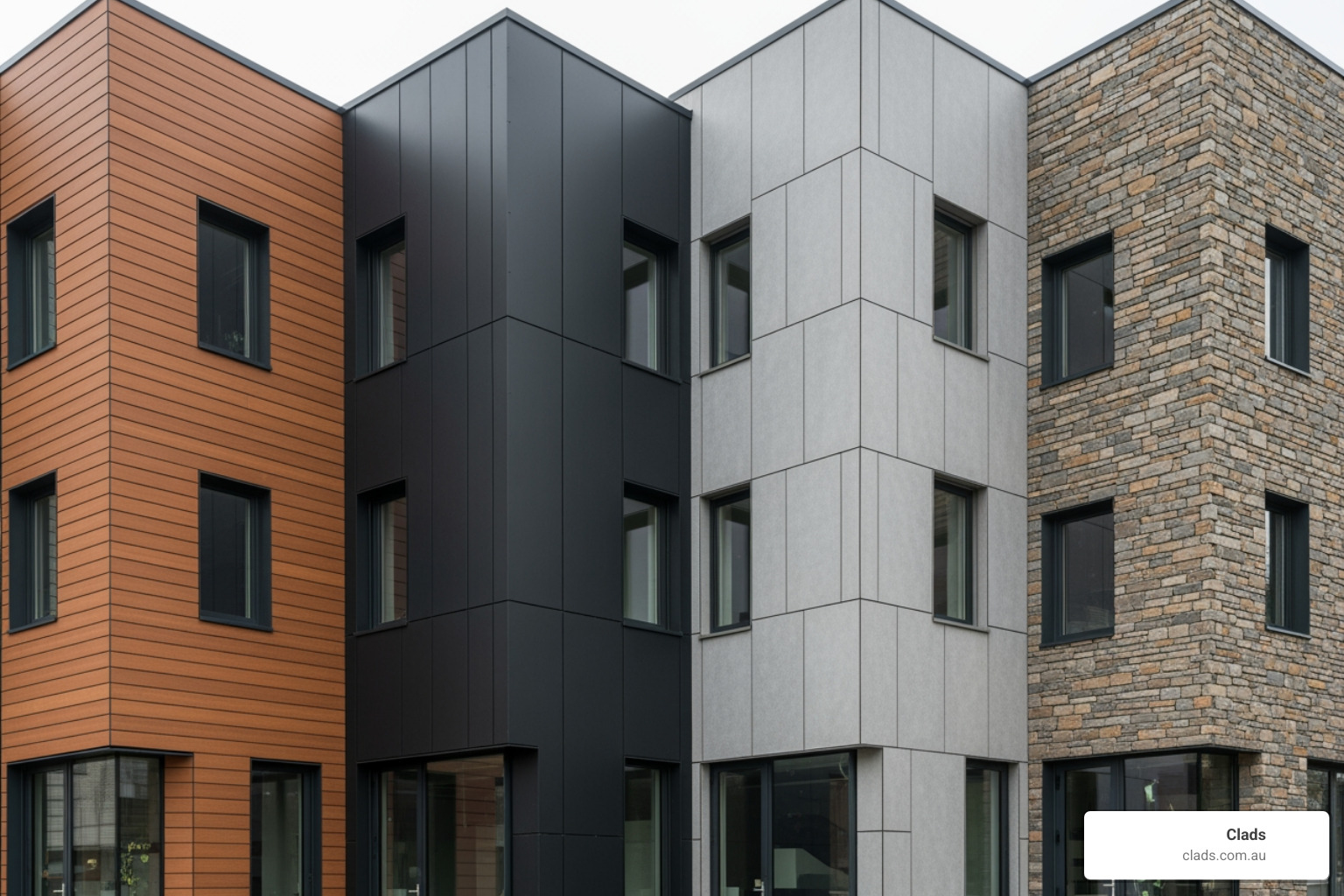
What Materials Are Used for External Thermal Cladding?
Selecting the right material for your thermal cladding external system is where performance meets personality. At Clads Australia, we've curated a range of materials that deliver both impact and longevity.
- WPC Cladding: A favourite for its timber look without the maintenance. Our Wood Plastic Composite panels resist rot, pests, and UV fading, making them a great low-maintenance choice for DIYers.
- Fibre Cement Cladding: A robust and versatile material that handles harsh conditions, from coastal salt spray to intense heat. It offers excellent fire-retardant properties and can mimic various textures.
- Stone Cladding: Delivers timeless elegance and a powerful street presence. It's an investment in beauty and durability that truly lifts your facade effortlessly.
Each material integrates with thermal insulation systems, ensuring your home performs as exceptionally as it looks. We're here to help you design the difference.
Discover stylish exterior cladding ideas
What Are the Best Insulation Materials for External Cladding?
While Clads Australia supplies the external panels, the insulation behind them is the hero of thermal performance. Understanding your options is key.
- Mineral Wool: Known for exceptional fire resistance (melting point >1,000°C) and breathability, which helps manage moisture. It offers an R-value of 3.0-4.0 per inch.
- Expanded Polystyrene (EPS): A cost-effective option with good thermal performance (R-value 3.5-4.0 per inch). It's lightweight and easy to handle on site.
- Extruded Polystyrene (XPS): Delivers impressive R-5.0 performance and is virtually impervious to moisture, making it ideal for damp-prone areas.
- Polyisocyanurate (PIR): Offers the highest thermal performance (R-value 6.0-7.0 per inch), great for projects where space is limited but performance is critical.
The right insulation depends on your thermal goals, budget, and climate. We recommend consulting with insulation specialists to match the best material to our cladding systems.
How Can You Customise the Look of Your Facade?
Thermal cladding external systems are about creating architectural aesthetics with personality. At Clads Australia, we help you design the difference with a wide range of customisation options.
- Colour: Our range spans from classic neutrals to bold contemporary tones. An insider tip: always get large samples to see how colours and textures look in different light throughout the day.
- Texture: Add dimension with the organic grain of WPC or the tactile depth of stone. Each texture creates a different mood.
- Profiles: Our batten and castellated designs create depth and shadow lines for added visual interest. These textured profiles give your home a three-dimensional quality that flat surfaces can't match.
Modern cladding offers immense design flexibility. Mix profiles, combine colours, or use texture to define different areas of your home, reflecting your unique style.
How Does Cladding Protect and Insulate Your Building?
At Clads Australia, our products are chosen for both stunning looks and robust, long-lasting protection. Our thermal cladding external systems act as a comprehensive shield for your home.
- Weather Resistance: Our materials are engineered to handle Australia's driving rain, fierce winds, and relentless UV radiation, protecting your home's structural integrity.
- Impact Resistance: Our fibre cement and robust WPC cladding provide excellent protection against everyday impacts, from stray stones to falling branches.
- Sound Insulation: The multi-layered construction, especially with insulation like mineral wool, dramatically reduces external noise penetration, creating more tranquility inside your home.
For interior spaces needing superior acoustic control, explore our internal acoustic panels. This comprehensive protection makes modern cladding a smart investment in your home's comfort and longevity.
Check out our internal acoustic panels
Installation, Maintenance, and Australian Standards
What Should You Know About Installation and Retrofitting?
Thermal cladding external systems offer flexible solutions for both new builds and existing homes. For new constructions, cladding is integrated into the initial design. For existing homes, retrofitting is a key advantage, as work is done externally without needing occupants to move out.
At Clads Australia, our lightweight WPC range is ideal for retrofits. It can often be installed over existing facades, reducing waste and mess. Many of our systems are DIY-friendly for experienced renovators.
However, please note that we sell cladding products but do not install them. Our expertise is in supplying high-quality materials. If you're an experienced DIYer, you may find our lightweight options manageable. For those who prefer professional installation, we can connect you with a local installer in your area.
Proper substrate preparation is vital. The existing wall must be clean, dry, and sound. Correct installation and sealing of all joints and penetrations are essential for long-term performance and moisture protection.
How Easy Is It to Maintain External Cladding?
Modern thermal cladding external solutions are designed for style without the maintenance headache. Our WPC and fibre cement options resist rot, pests, fading, and warping.
Routine cleaning is simple. An annual wash with water and a mild detergent is usually all that's needed to keep your facade looking fresh. This low-maintenance quality is a standout benefit our customers appreciate.
While maintenance is minimal, we recommend periodic inspections of seals and flashings to catch any small issues early. This ensures your cladding continues to deliver impact and longevity for decades.
What Australian Standards and Innovations Should You Be Aware Of?
When investing in thermal cladding external systems in Australia, understanding the regulatory landscape is crucial for safety and performance.
All installations must comply with the National Construction Code (NCC) of Australia, which sets requirements for structural integrity, fire safety, and energy efficiency. These standards protect your investment and ensure your home is safe.
Fire safety is a critical consideration. We offer products like fibre cement cladding with excellent fire-retardant properties, essential for multi-storey buildings or homes in bushfire-prone areas. Choosing materials with appropriate fire ratings is vital for compliance.
The NCC also includes energy efficiency provisions that our thermal cladding systems help you meet or exceed. The industry continues to evolve with innovations like more realistic WPC textures and fixing systems that minimise thermal bridging. At Clads Australia, we stay ahead of these trends, bringing you design-led solutions that meet all Australian standards.
Frequently Asked Questions About External Thermal Cladding
How much can I save on my energy bills with external cladding?
A properly installed thermal cladding external system can reduce energy loss by up to 35%, with average energy reductions around 30% per building. Many homeowners recover their investment in 7-10 years through lower heating and cooling costs. Savings depend on your home's existing insulation, climate, and the chosen system.
Can I install thermal cladding myself?
Many of Clads Australia's lightweight options, like WPC, are designed for experienced DIYers. However, we SELL cladding products but DO NOT INSTALL them. Proper installation and sealing are essential for performance and weather resistance. If you're unsure, we can connect you with a local installer in your area.
Will thermal cladding increase my home's value?
Yes. Thermal cladding external systems boost home value by improving curb appeal with a modern facade. The improved energy rating and lower running costs are attractive to buyers, while increased durability and reduced maintenance add long-term desirability. It's an upgrade that helps you lift your facade effortlessly.
Are Clads Australia cladding products fire-resistant?
We offer products with various fire resistance properties to meet Australian building codes. Our fibre cement cladding, for example, has excellent fire-retardant characteristics. It is crucial to select a system that complies with the fire safety standards in the National Construction Code for your specific building and location.
How does external insulation compare to internal insulation?
External insulation, or thermal cladding external, creates a continuous thermal envelope around the building, which is highly effective at eliminating thermal bridges without reducing internal living space. Internal insulation is applied inside, which can be more disruptive and may not address thermal bridging as comprehensively. For renovations, external insulation is often preferred for its minimal disruption and maximum efficiency.
Ready to Lift Your Facade with Clads Australia?
Choosing thermal cladding external systems is a transformative decision that combines energy efficiency, comfort, striking design, and durability. The benefits create a home that feels, performs, and looks better for decades.
At Clads Australia, we are the design-led cladding specialists who help bring your vision to life. Our curated range of WPC, fibre cement, and stone options offers the perfect balance of stunning aesthetics and solid performance. We provide cladding that delivers impact and longevity, turning your home into an energy-efficient sanctuary.
Whether you're an architect, builder, designer, or homeowner, we're here to support you. We understand choosing the right system can be overwhelming, which is why our team is committed to helping you design the difference with confidence.
While we offer cladding solutions, we're not installers. Many of our systems are perfect for experienced DIY enthusiasts, and if you need a professional, we can connect you with a trusted local installer.
Ready to see the quality for yourself? Request your free cladding samples today and find why our products are trusted across Australia. For personalised guidance, contact our design-led specialists for expert advice. Let's work together to create something exceptional. We Create Aesthetics.