



Why DIY Stone Cladding Is Easier Than You Think
DIY stone cladding is an accessible way to transform your walls with natural texture and lasting durability. For an experienced DIYer, a 10-15 square metre project can be completed over a weekend, saving 40-60% compared to professional installation costs. It's suitable for surfaces like concrete, brick, and primed drywall, involving surface preparation, adhesive application, panel installation, and sealing.
If you're looking to add character and timeless appeal to your walls, stone cladding offers an impact that paint or wallpaper can't match. Modern systems from Clads Australia are designed for straightforward installation, with lightweight options and precisely sized pieces that can reduce cutting needs by up to 40%.
Proper preparation is the key to success. Investing extra time in preparing your surface can reduce adhesive failure risks by 75%. Beyond aesthetics, stone cladding provides excellent durability, weather resistance, and added insulation. It's perfect for creating a feature wall, upgrading an exterior facade, or adding rustic charm to a fireplace.
I'm Lawrismin Gomez, Sales Manager at Clads Australia. With over three years specialising in stone cladding, I help builders, architects, and homeowners find the perfect solutions. In this guide, I'll share proven techniques to help you achieve a flawless installation.
What Should I Know Before I Start My Stone Cladding Project?
Before starting your DIY stone cladding project, proper planning is essential. Consider your design goals, the project's scope, and the best type of stone cladding for your space. Are you creating a rustic fireplace surround or a modern exterior facade? Each application has different requirements based on lighting, architectural style, and desired aesthetic.
Beyond looks, stone cladding offers durability, weather resistance for exterior use, and added insulation, which can help regulate temperature and reduce energy costs. A small interior feature wall is very different from cladding an entire house, so measure your space carefully and consider challenges like windows, doors, or the need for scaffolding.
To get started, explore our stone cladding range to find options for every project and budget.
How Do I Choose the Right Stone Cladding Style?
Choosing your stone style is the creative part. Natural stone like sandstone, limestone, slate, and quartzite offers authentic, unique beauty. For a more budget-friendly option, manufactured stone veneer provides a realistic look at a lower price point.
- Stacked stone panels are popular for DIY projects as they are pre-assembled and install quickly.
- Loose random stone uses individual, irregular pieces for a hand-crafted appearance, typically 20mm to 40mm thick.
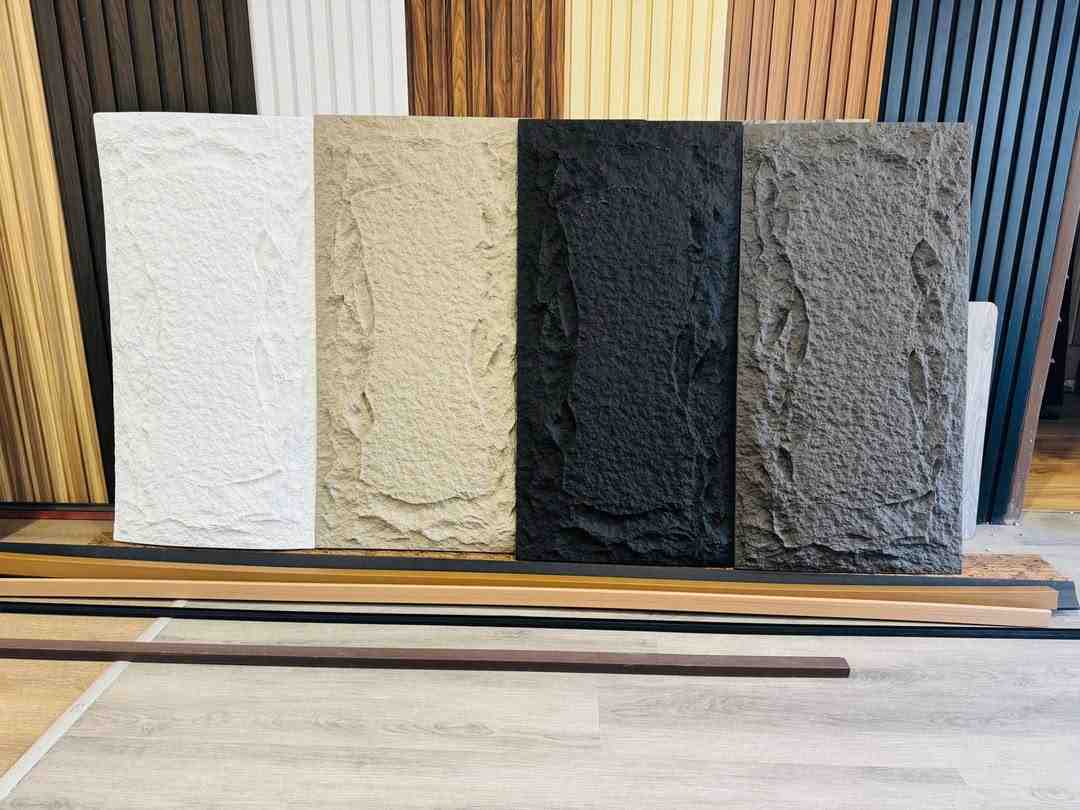
- Split face and rockface finishes offer rough, natural textures, while polished stone provides a sleek, modern look.
- Mosaics and 3D panels create intricate patterns for dramatic focal points.
Still deciding? Get inspired with stone panel ideas to see how these styles can transform a space.
Is DIY Stone Cladding Suitable for My Project?
DIY stone cladding is rewarding, but it's important to be realistic. Our lightweight systems at Clads Australia are designed for experienced DIYers. A small interior feature wall is manageable, but a multi-storey exterior is a much larger undertaking.
Your wall's structural integrity must support the cladding's weight. While many of our products are lightweight, it's always wise to check if you're unsure. Be honest about your skill level. If you're comfortable with accurate measuring, cutting, and working with adhesives, you're a good candidate for a DIY project.
At Clads Australia, we supply high-quality cladding products but do not perform installations. Our expertise is in helping you choose the right materials. If your project feels too ambitious, we can help. Contact us for installer connections, and we'll connect you with a trusted local professional.
How Do I Plan and Prepare for Stone Cladding Installation?
Proper planning and preparation are the foundation of a flawless DIY stone cladding installation. Investing time upfront saves headaches later. This section covers gathering tools, estimating materials, and preparing your wall for its change.
What Tools and Materials Will I Need?
Having the right tools and materials on hand is crucial. For tools, you will need a measuring tape, pencil, a long spirit level, and a notched trowel (usually 1/4" notches). For cutting, a wet saw or an angle grinder with a diamond blade is essential. A corded drill with a mixing paddle is needed for the adhesive. Also gather buckets, grout sponges, and painter's tape.
Safety gear is non-negotiable. Always wear appropriate personal protective equipment (PPE), including safety goggles, heavy-duty gloves, and a dust mask. Protect your floors with a drop cloth.
From Clads Australia, you will need your chosen stone panels or loose stone, a suitable polymer-modified adhesive, a primer or bonding agent for surfaces like drywall, a quality stone sealer, and grout if your design requires it. Find everything you need in our stone cladding collection.
How Do I Estimate How Much Stone Cladding I Need?
Accurate estimation prevents running out of material or having excessive waste. First, measure the height and width of your wall to calculate the total square metres. Subtract the area of any openings like windows or doors.
Crucially, add an extra 10-15% to your total to account for cuts and wastage. For loose random wall cladding, this buffer is essential. To reduce waste, plan a dry layout of the stones on the ground before installation. This step helps you visualise the pattern and can reduce waste by up to 40%.
How Should I Prepare My Wall?
Proper surface preparation is the most critical step for a long-lasting finish. It can reduce adhesive failure risks by 75%. Start by inspecting your wall for cracks, loose paint, or moisture issues, and repair any damage.
The wall must be thoroughly cleaned of all dirt, dust, and grease. A pressure washer can be effective for exterior surfaces. The wall must be completely dry before you proceed.
- Concrete and masonry are ideal surfaces; just ensure they are clean.
- Drywall or plasterboard requires a primer or bonding agent. Heavier stones may require reinforcing the wall with cement backer board.
- Painted surfaces should be lightly sanded to create a rougher profile for the adhesive, then primed.
For exterior projects, consider installing a moisture barrier. Finally, check for flatness with a spirit level and use a patching compound to fill any significant gaps. This preparation ensures your stone cladding looks professional and endures for years.
What Are the Steps for DIY Stone Cladding Installation?
With your wall prepped and materials ready, it's time to bring your vision to life. Achieving a professional DIY stone cladding finish comes down to a methodical approach and proper adhesive use.
Step 1: How Do I Mix and Apply Adhesive?
We recommend a high-quality polymer-modified mortar for most applications. Always check that the adhesive is suitable for your stone and wall type. Mix the adhesive to a thick, peanut butter-like consistency, adding water gradually. Work in small batches to prevent it from drying out.
Using a notched trowel, apply a thin, even layer of adhesive to a small section of the wall (about 1 square metre). Then, create grooves with the notched side of the trowel. For a stronger bond, back-butter each stone by applying a thin layer of adhesive to its back surface before pressing it onto the wall. Aim for at least 80% coverage.
Step 2: How Do I Install the Stone Panels?
Always start at the bottom of the wall and work your way up. This provides a stable base and prevents stones from slipping. Use a spirit level to establish a straight line for your first row; you can even temporarily screw a straight board to the wall as a guide.
Press your first back-buttered stone firmly into the adhesive with a slight twisting motion to ensure full contact. For a natural look, especially with loose random wall cladding, mix your stones to vary sizes, shapes, and colours. Avoid placing similar stones next to each other.
If you want a dry-stacked look, aim for tight, consistent gaps. Step back periodically to assess the overall pattern and make adjustments before the adhesive sets. Use your level to check that each row remains straight and plumb.
Step 3: How Do I Cut Stones for a Perfect Fit?
Cutting is necessary for edges, corners, and around obstacles. Always wear safety gear, as cutting stone produces dust and sharp fragments. A wet saw with a diamond blade is best for precise, straight cuts, while an angle grinder is useful for smaller, irregular cuts.
A key tip is to always cut from the backside of the stone to prevent chipping the visible face. For electrical outlets, consider using an electrical box extender to bring the outlet flush with the new stone surface. Don't discard small off-cuts, as they can be used as fillers in tight gaps, adding to the authentic, random look.
How Can I Achieve a Professional Finish and Long-Lasting Results?
Now it's time for the finishing touches that lift your DIY stone cladding project to a professional level. Proper curing, finishing, and sealing are key to a durable, long-lasting masterpiece.
What Are the Best Finishing Touches?
These final steps are crucial for both aesthetics and durability.
- Curing: Allow the adhesive to fully cure before grouting or sealing. This typically takes 48-72 hours, but we recommend 4-5 days for exterior projects in humid climates.
- Grouting (If Required): Many styles, like stacked stone, are designed for a "dry-stacked" look with no visible grout. If your style requires joints, use a sanded grout that complements your stone. A piping bag is a great tool for application. It is critical to clean any excess grout off the stone faces immediately with a damp sponge before it dries.
- Cleaning: After everything has cured, clean any remaining adhesive or haze from the stone surface using a soft brush and a pH-neutral cleaner. Rinse with low-pressure water.
- Sealing: Sealing protects your investment from water, stains, and efflorescence, especially outdoors. Penetrating sealers offer protection with a natural matte finish, while enhancing sealers deepen the stone's colours for a "wet" look. Apply the sealer with a roller or brush according to the manufacturer's instructions, and always test it on a small, inconspicuous area first.
How Do I Maintain My Stone Cladding?
Proper maintenance will keep your stone cladding beautiful for decades.
- Regular Cleaning: For interior walls, dusting is often enough. For a deeper clean, use mild soap and water with a soft brush. Never use harsh chemicals, abrasive cleaners, or high-pressure washers.
- Annual Inspections: Once a year, check for any loose stones or cracked mortar joints and address any issues promptly.
- Resealing: Reseal exterior cladding every 2-3 years to protect it from the weather. Interior cladding may only need resealing every 5-10 years.
Frequently Asked Questions about DIY Stone Cladding
Can I install stone cladding on any wall surface?
Yes, but preparation varies. DIY stone cladding works best on solid surfaces like concrete or masonry. For drywall or plasterboard, you must clean the surface and apply a primer or bonding agent. For heavier stone options, you may need to reinforce the wall with cement backer board to support the weight. The surface must always be clean, dry, and structurally sound.
Is stone cladding from Clads Australia suitable for outdoor use?
Absolutely. Our natural and manufactured stone cladding is engineered for the Australian climate, offering excellent durability and weather resistance. It's a great choice for exterior cladding applications, including facades, garden walls, and outdoor entertaining areas.
How do I clean my stone cladding without causing damage?
Cleaning is simple. For regular maintenance, dust interior walls or gently wash the surface with mild soap and water using a soft brush. Avoid harsh chemicals, abrasive scrubbers, and high-pressure washers, as they can damage the stone, sealer, or mortar joints. Always rinse with clean water after washing.
Do I need special corner pieces for my project?
Yes, for external corners, we highly recommend using purpose-made corner pieces from Clads Australia. They wrap around the corner to create a seamless, natural look that appears like solid stone, which is far superior to butting two flat pieces together.
Why are my stone veneer pieces not sticking to the wall?
This is usually due to a few common issues. The most likely culprits are an incorrect adhesive consistency (it should be like thick peanut butter), using too little adhesive (remember to back-butter each stone), or a poorly prepared wall. Ensure your wall is completely clean, dry, and properly primed before you begin.
Conclusion
Your journey to changing your space with DIY stone cladding starts now. With the knowledge from this guide and quality products from Clads Australia, you can achieve a stunning, professional finish that you created yourself. Stone cladding offers not just visual appeal but also longevity and low maintenance, adding value to your home for decades.
Ready to bring your vision to life? We invite you to browse our full range of stone cladding to find the perfect style. To see the quality for yourself, request your free sample and experience the texture and colour in your own space. For personalised advice, please contact our team.
We supply the products and expertise to help you succeed. Your dream space is closer than you think.
We Create Aesthetics. Design the Difference.