



Why WPC Wall Panels Are Changing Modern Design
Wall panels WPC (Wood Plastic Composite) are fast becoming a top choice for designers, builders, and homeowners across Australia. These innovative panels blend the natural beauty of wood with the resilience of modern materials, offering a solution that is both stylish and practical.
Here's what makes WPC panels stand out:
- Composition: A smart mix of 60% recycled wood fibres, 30% recycled plastic, and 10% bonding agents.
- Durability: A long lifespan of 20-25 years with minimal maintenance.
- Performance: Highly water-resistant, so they won't warp or rot. No painting or staining is ever needed.
- Sustainability: Made from recycled materials, supporting green building standards.
- Versatility: Ideal for interior feature walls, exterior cladding, bathrooms, and commercial spaces.
If you're tired of the constant upkeep of traditional timber, WPC panels are the refreshing alternative. They provide the warmth and texture of wood without the maintenance headaches. At Clads Australia, we've seen WPC wall panels transform spaces, creating architectural aesthetics that last. By combining recycled wood and plastic, these panels resist moisture and Australian weather for decades, giving you a stunning look without the weekend work. Explore our full WPC Cladding collection to see the possibilities.
What Are WPC Wall Panels and Why Are They Popular?
If you're exploring modern cladding, you've likely encountered wall panels WPC. WPC stands for Wood Plastic Composite, a clever blend of wood fibres and recycled plastic materials. It gives you the warm, natural look of timber without the constant maintenance that comes with real wood.

The magic is in the extrusion process, where wood fibres and plastic are mixed, heated, and shaped. This method ensures perfect consistency in quality and finish across every panel, something natural wood can't guarantee. It also allows for a wide range of designs, from smooth finishes to textured wood grains.
So why are WPC wall panels so popular? It's where performance meets style. We all want materials that look fantastic without demanding constant upkeep. WPC delivers on both fronts, and it's an environmentally responsible choice, which is increasingly important in Australian building projects. At Clads Australia, we've seen WPC become a mainstream choice for everything from entire facades to stunning feature walls. Browse our complete WPC Cladding range to see what's possible.
What Goes Into a WPC Panel?
Understanding the composition of wall panels WPC helps you appreciate their performance. A typical high-quality panel follows a proven formula: around 60% wood fibres, 30% recycled HDPE plastic, and 10% for additives.
- Wood Fibres: Typically recycled wood dust, these provide the natural texture and structural backbone.
- Recycled Plastic (HDPE): This wraps around the wood fibres, acting as a protective shield against moisture, rot, and insects.
- Bonding Agents: These create a solid bond between the wood and plastic, ensuring the panel's stability and strength over its 20-25 year lifespan.
- UV Inhibitors: Essential for Australia's harsh sun, these additives protect the panels from fading, which is crucial for exterior use.
- Colour Pigments: Mixed in during manufacturing, the colour runs all the way through the panel, so no painting is ever required.
How Do WPC Panels Compare to Other Cladding Materials from Clads Australia?
Choosing the right cladding can be overwhelming. You want a material that looks great, lasts, and fits your budget without endless maintenance. At Clads Australia, we help clients steer these decisions daily. WPC wall panels hit a sweet spot, offering the warmth of timber without the upkeep and the durability of heavier materials without the complex installation.
While we also supply cement and stone cladding, there's a reason WPC is so popular. Here's how they compare:
| Attribute | WPC Wall Panels | Cement Cladding | Stone Cladding |
|---|---|---|---|
| Durability | Excellent, resists impacts, scratches, decay | Very high, fire-resistant, weather-resistant | Extremely high, natural strength, timeless |
| Water Resistance | High, moisture-resistant, no warping/rotting | High, impervious to water | High, natural resistance |
| Maintenance | Very low, no painting/staining, easy cleaning | Low, occasional cleaning, may require painting | Low, occasional cleaning |
| Lifespan | 20-25+ years | 50+ years | 50+ years, often outlasts structures |
| Eco-Friendliness | High, made from recycled wood/plastic | Moderate, cement production has carbon footprint | Moderate, natural resource extraction |
The advantage of WPC is clear when you look at the whole picture. While cement and stone may last longer, they are heavier and more expensive to install. WPC panels are lightweight enough for DIY installation while still offering an impressive 20 to 25-year lifespan. They resist dents and scratches well, ensuring your investment looks good for years with minimal effort. For more details, we have comprehensive guides on our blog: More info about our cladding solutions.
Why Choose WPC for Your Project?
WPC wall panels are a smart choice for Australian properties for several key reasons:
- Exceptional strength: The composite structure handles daily life beautifully, resisting impacts where other materials might show wear.
- No splintering or rot: The plastic component protects the wood fibres from moisture, insects, and decay that destroy natural timber.
- Long lifespan: With a lifespan of 20-25 years, the integrated colour won't fade like paint, offering real savings on maintenance over time.
- Structural integrity: WPC won't warp, twist, or crack with temperature changes, keeping your walls straight and aligned.
How Do WPC Panels Handle Moisture and Weather?
Australia's climate is tough on building materials, but WPC wall panels handle it with ease. They are highly water-resistant, making them ideal for humid climates, coastal areas, and high-rainfall zones where other materials fail. This quality also makes WPC perfect for bathrooms, kitchens, and laundries, as the panels won't swell or warp when exposed to steam and splashes. Your cladding stays flat and your building envelope remains protected, even in the most challenging environments. When you're ready to see how WPC performs outside, explore our External WPC Cladding range.
Are WPC Panels a Sustainable and Low-Maintenance Choice?
WPC wall panels offer genuine environmental benefits. They are made from recycled materials (around 60% wood fibres and 30% plastics), which diverts waste from landfills and reduces the need for virgin timber. This commitment to recycled content helps projects meet green building standards, such as those outlined by the Green Building Council of Australia.
For property owners, the low-maintenance aspect is a huge advantage. No painting, staining, or sealing is ever required. The colour is integrated throughout the panel, so it won't peel or fade. Cleaning is simple, needing just soap and water. This saves significant time, money, and labour over the building's life. While we don't install cladding, the lightweight panels and simple systems make DIY installation achievable for many clients.
How Can You Use WPC Panels in Modern Design?
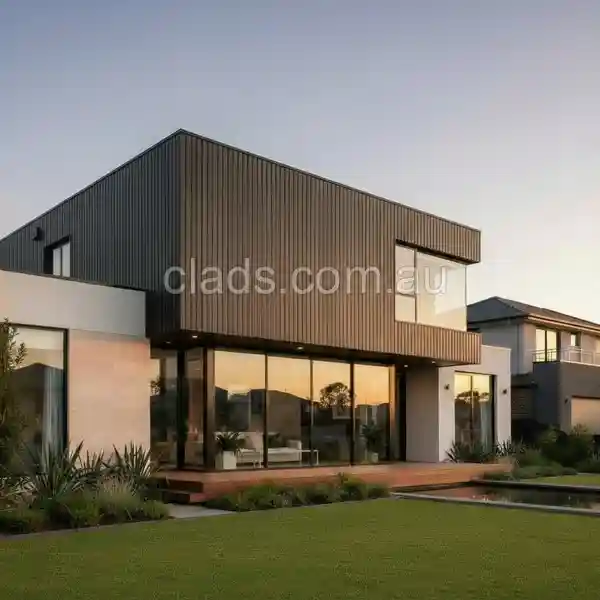
Wall panels WPC offer the design flexibility that architects and designers love. They are transformative, capturing the warmth of timber while enabling creative possibilities that traditional wood cannot match. Whether your style is minimalist, rustic, or contemporary, WPC adapts to your vision. At Clads Australia, we've seen these panels create everything from serene bedroom retreats to striking commercial facades. They add texture, create focal points, and bring architectural depth to ordinary walls, creating atmosphere and defining spaces.
What Styles and Finishes Are Available?
The range of styles in WPC wall panels is impressive, allowing you to change the mood of any space.
- Fluted panels: Incredibly popular, their parallel grooves create movement and dimension as light changes throughout the day.
- Slatted designs: These offer a sophisticated timber batten look without the maintenance, adding a sense of height and order.
- 3D textured panels: Designed to make a statement, these turn a wall into a tactile focal point.
- Smooth finishes: Perfect for a minimalist aesthetic, providing a clean backdrop that lets other design elements shine.
- Natural wood grain effects: Advanced embossing techniques create an authentic look and feel of timber like oak, teak, and cedar.
- Contemporary colours: Stylish greys, dramatic charcoals, and crisp whites open up even more design possibilities.
Many of our WPC options also offer customisable dimensions, allowing for unique project outcomes. Explore our full WPC Cladding collection to see the breadth of styles available.
Where Can You Install WPC Panels?
The durability and moisture resistance of WPC wall panels mean they perform beautifully almost anywhere you want to create impact.
- Interior feature walls: A popular choice to transform a living room, bedroom, or hallway.
- Acoustic panels: Certain WPC panels are designed to manage sound, reducing echo and improving clarity. See our Internal Acoustic Panel range for options that blend performance and design.
- Ceilings: An often-overlooked surface where WPC can add texture and visual interest.
- Exterior facades: WPC protects your home from the elements while dramatically enhancing its street appeal.
- Commercial buildings: Ideal for high-traffic areas like hotels, offices, and retail spaces due to their durability and low maintenance.
- Alfresco areas and patios: Extend your interior aesthetic outdoors without worrying about weather damage.
- Wet areas: Perfect for bathrooms and kitchens, as WPC resists moisture and won't warp or swell.
Want more ideas for your home's exterior? Get inspired with our Exterior Cladding Ideas to see how cladding can lift your facade.
How Do You Choose and Install WPC Wall Panels?
Choosing and installing WPC wall panels is a straightforward process, and a little planning ensures a stunning result. At Clads Australia, we provide the information you need to make confident decisions. Our panels are designed to be user-friendly, making them a popular choice for professionals and experienced DIY enthusiasts alike.
How Do You Select the Right WPC Panels?
Selecting the ideal WPC wall panels involves a few key considerations to match your aesthetic and functional needs.
- Assess Location: Is it for interior or exterior use? Exterior panels require higher UV and weather resistance.
- Consider Usage: For high-traffic areas, choose panels with higher durability and impact resistance.
- Match Your Design: Find a style that complements your property's existing architecture, whether modern or classic.
- Check Specifications: Understand the product's durability ratings and composition to ensure it meets your performance needs.
- Order Large Samples: We highly recommend viewing large samples in your space under different lighting conditions to see the true colour and texture.
- Choose Texture and Colour: Fluted panels add depth, while smooth finishes offer a minimalist touch. Select colours that harmonise with your palette or create a desired contrast.
What Should You Know About WPC Panel Costs?
When considering WPC wall panels, it's important to evaluate their long-term value. While the initial cost is competitive, the real savings come from minimal maintenance over time.
- Long-Term Savings: WPC eliminates the recurring costs of painting, staining, or sealing required by timber.
- Reduced Maintenance: Your maintenance budget shrinks drastically. A simple clean with soap and water is all that's needed.
- Installation Costs: Lightweight panels and easy-fit systems can reduce professional labour costs.
- Cost-Effective Alternative: WPC provides a high-end look without the premium price tag or intensive upkeep of other materials, making it a smart choice for budget-conscious projects.
Is Installation DIY-Friendly?
One of the great advantages of WPC wall panels is their ease of installation, making them a fantastic option for experienced DIYers.
- Lightweight Panels: WPC is easy to handle and manoeuvre during installation.
- Simple Fitting: Many panels feature tongue-and-groove profiles that slot together for a seamless, professional finish.
- Flexible Installation: Panels can be installed using clips, screws, or construction adhesive, depending on the product and surface.
- Professional Help Available: While many clients choose DIY, Clads Australia can connect you with a local installer if you need professional assistance. We are product supply experts, not installers, but we are happy to provide a referral.
Explore our WPC Cladding range to find the perfect panels for your project.
Frequently Asked Questions About WPC Wall Panels
How long do WPC wall panels last?
WPC wall panels from Clads Australia are engineered for durability and typically last 20 to 25 years. They resist fading, staining, and decay, ensuring a long-lasting finish with minimal upkeep.
Are WPC panels completely waterproof?
WPC wall panels are highly water-resistant. Their composite structure prevents moisture absorption, which stops swelling or rotting. This makes them an excellent choice for wet areas like bathrooms and kitchens, as well as for exterior use.
Can you paint WPC wall panels?
Painting is not recommended or necessary for WPC wall panels. The colour is integrated throughout the material and is designed to last. Painting may void the warranty and can lead to peeling, negating the low-maintenance benefit.
How do you clean WPC wall panels?
Cleaning WPC wall panels is simple. For most dirt and grime, a gentle wash with soap and water is all that is required to keep them looking new. Avoid using harsh chemicals or abrasive cleaners.
Are WPC panels environmentally friendly?
Yes, WPC wall panels are a sustainable choice. They are made from a high percentage of recycled wood fibres and plastics, which reduces the demand for virgin timber and diverts waste from landfills.
Ready to Transform Your Space with WPC Wall Panels?
You've seen why wall panels WPC are the go-to choice for modern Australian projects. At Clads Australia, we know these panels perfectly blend the beauty of timber with the low-maintenance durability that modern life demands. You don't have to choose between style and practicality.
Our WPC products help you create the architectural aesthetics you envision, with the strength to withstand our climate and the sustainability to align with responsible building. Whether you're an architect, builder, or a design-conscious homeowner, we are here to help you Design the Difference. With over 150 depots across Australia, getting quality wall panels WPC is easier than ever.
Our cladding delivers impact and longevity. It's a smart investment that will look stunning for 20 to 25 years with almost no effort from you. No painting, no staining, just decades of beauty.
Want to See the Quality for Yourself?
Choosing cladding is a big decision, and nothing beats seeing the product in your own space. Order your free samples today to view them in different lighting and get a true feel for how they will transform your home.
If you have questions or need guidance, our team is ready to help. We are product supply experts, and while we don't install, we can connect you with trusted local installers. Contact Clads Australia for expert guidance, and let's start creating the space you've been imagining. Explore our full WPC Cladding collection and find how easy it is to lift your facade effortlessly.