



Love the Look of Stone But Not Sure Where It Actually Works?
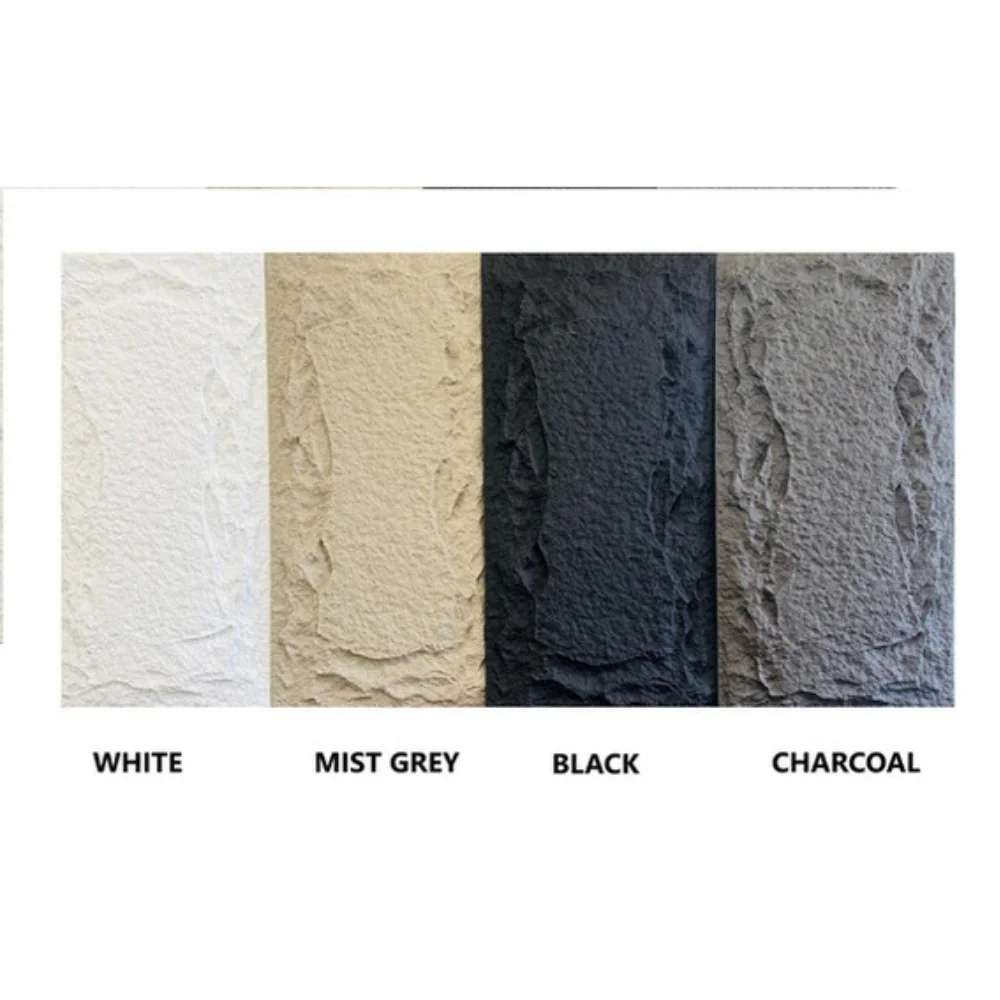
What is stone wall cladding is one of the most searched questions by Australian homeowners who've fallen for the look of natural stone but aren't quite sure what they're actually buying, or where it belongs. It's a design choice that can elevate a property's value significantly, but it's also one that requires a technical understanding of how materials interact with your home's structure.
And that confusion is completely understandable. Stone looks incredible in design magazines and on architecturally finished homes. But in practice, many renovators end up overusing it, applying it across an entire facade only to find the result feels heavy, dated, or out of place with the rest of the home. When you're planning a renovation in Melbourne or Sydney, you're often balancing aesthetic goals with strict building codes and climate considerations.
Others underestimate the cost. The material is just the beginning. Professional installation from a stonemason typically adds $200 to $300 per square metre on top of what you've already paid for the stone itself. Because stone is a heavy, natural product, it requires specialised adhesives and often mechanical fixings to ensure it stays put for its 50 plus year lifespan.
This guide cuts through the noise. It explains what stone wall cladding actually is, where it genuinely works, where it doesn't, and what to consider before you commit. We'll look at the technical performance of these systems and how they fit into the broader context of Australian building standards, such as those outlined by YourHome regarding material selection and sustainability.
Quick Answer: What Is Stone Wall Cladding?
Stone wall cladding is a decorative, non-structural layer of natural or manufactured stone applied to the surface of a wall. It gives the appearance of solid stone construction without the weight or cost of full masonry.
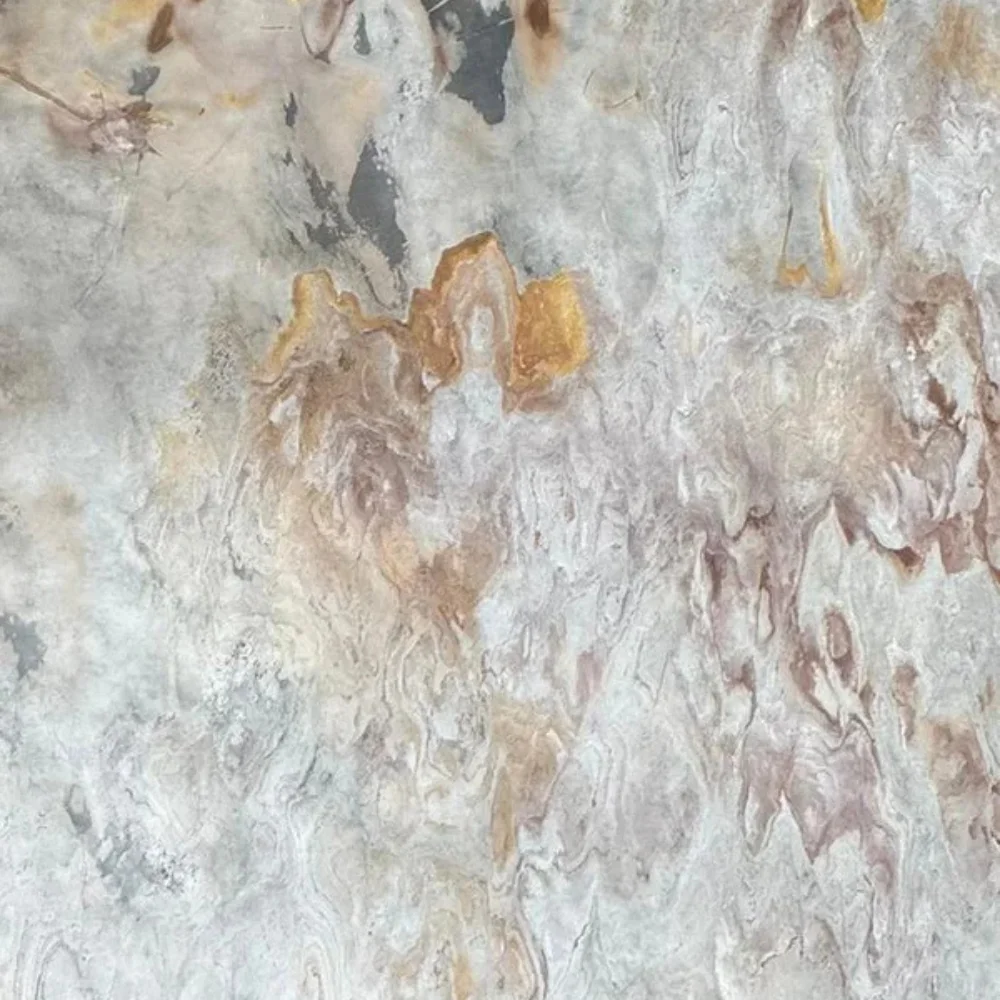
- What it is: A thin veneer of stone (typically 20 to 50mm thick) fixed to an existing wall surface.
- What it isn't: A load-bearing structure: the wall behind it does the structural work.
- Where it's used: Exterior facades, interior feature walls, fireplaces, entryways, pool areas, and landscaping.
- Main types: Natural stone veneer, manufactured (engineered) stone, and full-thickness stone.
- Key benefit: Delivers the look and durability of stone at a fraction of the weight and structural cost.
- Key consideration: Installation labour is significant and often exceeds the material cost itself.
Stone has been used in construction for thousands of years, and the appeal hasn't faded. What has changed is how we use it. The technique of applying a thin stone skin over a structural wall, rather than building entirely from stone, dates back as far as ancient Rome. The Colosseum was originally faced with marble veneer panels, and the anchor holes used to fix them are still visible in the ruins today.
Modern stone cladding takes that same principle and applies it to everything from suburban homes to commercial facades, using materials and fixing systems that are far more refined, lighter, and easier to work with than anything available even a few decades ago. Today, we focus on performance layers: ensuring the substrate is waterproofed and the stone is breathable.
Whether you're planning a full exterior renovation or simply want to add a stone feature wall to your living room, understanding what you're working with before you start will save you time, money, and a lot of regret. At Clads, we've seen how the right stone choice can transform a project, but we've also seen how poor planning leads to structural issues.
I'm Lawrismin Gomez, Sales Manager at Clads Australia, with over 20 years of sales experience and more than three years specialising in the cladding industry, including helping Australian homeowners and builders navigate the real-world decisions around what is stone wall cladding and whether it's the right fit for their project. In this guide, I'll walk you through everything you need to know to make a confident, informed choice.
What Is Stone Wall Cladding? (Quick Answer + Types Explained)
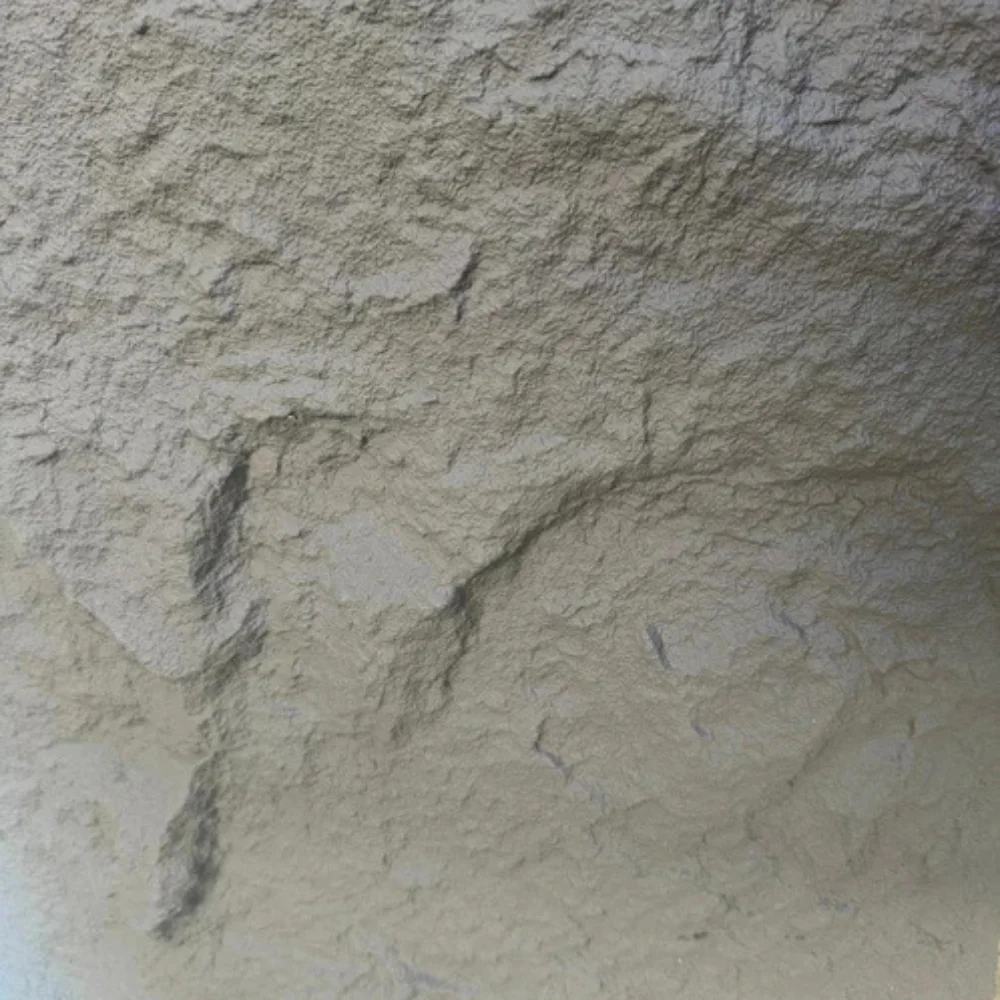
At its core, stone wall cladding is a construction technique where thin layers of stone are applied to a wall's surface. Think of it as a "second skin" for your home, it provides the aesthetic of a solid stone wall without requiring the massive footings and structural support that full-sized boulders would need. This is a critical distinction for modern builds where speed and weight are primary concerns.
When you're researching what is stone wall cladding, you'll quickly find it isn't a single product but a category. Here is how the main types stack up:
| Type | Best For | Key Advantage |
|---|---|---|
| Natural Stone Veneer | Premium builds and high-end renovations | Authentic look; unique geological patterns |
| Manufactured Stone | Budget-friendly and weight-sensitive projects | Consistent sizing; lightweight and versatile |
| Full Stone | Structural builds and historic restorations | Maximum durability; load-bearing capability |
Cladding is decorative and protective, but it is not structural. The wall behind it, whether it is brick, concrete, or a timber frame with fibre-cement sheeting, is doing the heavy lifting of holding up your roof. This means the cladding system must be integrated correctly with the building's moisture management layers to prevent rot or mould in the structural frame.
Defining what is stone wall cladding for modern homes
In the 1930s, the standard thickness for stone veneer was about 38mm. Today, advancements in cutting technology mean we can get that "solid" look with much thinner profiles. Natural stone cladding veneer thickness typically ranges from 20 to 50mm. This reduction in thickness has made stone accessible for a wider range of residential projects that previously couldn't handle the weight of traditional masonry.
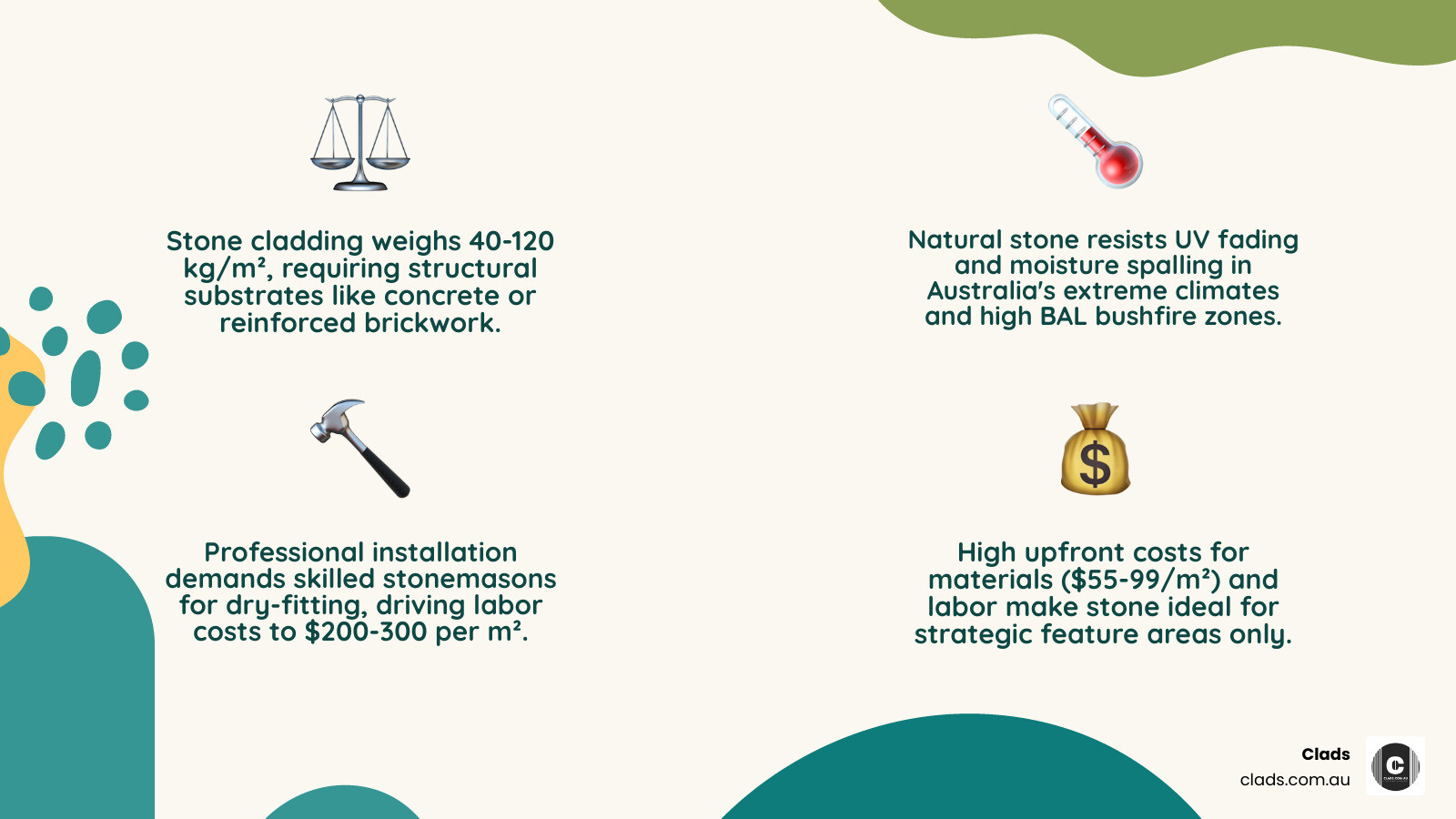
Weight is a massive factor here. Natural stone cladding typically weighs between 40kg and 120kg per square metre. This is why you can't just glue it onto any old wall. The substrate must be capable of supporting that weight. For those looking for a deep dive into the technical side, check out our Rock Solid Knowledge: A Comprehensive Guide to Stone Siding Veneer. We often recommend high-density fibre cement sheets or core-filled concrete blocks as the ideal base for these heavy loads.
Understanding what is stone wall cladding maintenance
We often hear people say stone is "set and forget." While it is incredibly durable, it does require some love. Natural stone is porous. Without a water-based sealant, it can absorb moisture, leading to staining, salt damp, or mould growth. This is particularly important for compliance with the National Construction Code (NCC) regarding weatherproofing of external walls.
Especially in Melbourne's unpredictable weather or coastal areas like Noosa and the Gold Coast, sealing is non-negotiable. You'll want to use breathable sealers that allow moisture trapped behind the stone to escape while preventing surface stains from penetrating. For more local advice, our Melbourne Natural Stone Cladding Guide covers the specifics for the Victorian climate, including how to handle freeze-thaw cycles in areas like Ballarat or the Dandenongs. Furthermore, ensuring your stone meets AS1530.1 standards for non-combustibility is essential for homes in Bushfire Attack Level (BAL) rated zones.
Where Stone Cladding Works Best (Ideal Use Cases)
The secret to a great stone design isn't using the most stone, it's using it in the right places. Strategic placement creates visual depth and makes the stone feel like a natural part of the architecture rather than an afterthought. In the Australian context, we use stone to ground a building, making it feel like it belongs to the landscape.
Exterior Feature Walls
This is where stone really shines. Using stone on entry facades creates a sense of permanence and luxury. It is particularly effective on:
- Garage surrounds: Breaking up the large, flat surface of a garage door with texture.
- Pillars and columns: Giving structural elements a robust, grounded look that suggests strength.
- Entryways: Guiding the eye toward the front door and creating a warm, tactile welcome.
Avoid the temptation to cover the entire front of the house. Without contrast from materials like render, timber, or Exterior Stone Veneer, the house can end up looking like a fortress. The goal is to create a focal point that draws the eye, not a wall of grey that overwhelms the streetscape.
Landscaping and Outdoor Zones
Stone cladding is a natural fit for the Australian outdoors. It bridges the gap between the built environment and the garden, creating a seamless transition for indoor-outdoor living.
- Retaining walls: Transforming a functional concrete wall into a design feature that complements your plantings.
- Outdoor kitchens: Providing a fire-resistant and durable surface for BBQ areas that can withstand high heat.
- Pool areas: Using Exterior Split Face Stone Cladding to create a resort-style feel. Just ensure the stone is salt-tested if you have a salt-water pool, as some sandstones can degrade quickly when exposed to salt spray.
Interior Feature Areas
Inside the home, stone adds texture that paint simply can't match. The most popular application is the fireplace surround. It handles heat beautifully and creates a stunning focal point for the Stone Wall Cladding Living Room. You can also use it for TV feature walls or entry hall statements to wow guests the moment they walk in.
If you're looking for inspiration, we've put together a guide on how to Clad in Style: Transform Your Fireplace, Columns and Bathrooms with Stone. When used indoors, consider the lighting: directional spotlights can highlight the natural ridges and shadows of the stone, adding a dramatic effect to the room's ambiance.
When NOT to Use Stone Cladding (Common Mistakes to Avoid)

Part of understanding what is stone wall cladding is knowing its limits. We've seen many projects where the "more is better" approach backfired, leading to a home that feels unbalanced or visually exhausting.
Full Facades Without Contrast
If you cover an entire two-storey home in dark stacked stone, it will look heavy and bulky. It can actually reduce the perceived architectural depth of the home because the eye has no smooth surface to rest on. Stone needs "breathing room", areas of smooth render or modern WPC cladding, to make the texture of the stone pop. For better ways to use panels, read 7 Stone Wall Panel Ideas That Are Proven to Transform. A balanced facade usually follows the 30/70 rule: 30 percent feature material and 70 percent primary material.
Low-Light Interior Spaces
Stone has a high visual weight. In a small room with little natural light, a floor-to-ceiling stone wall can make the space feel cramped and cave-like. This is a common mistake in basement renovations or small apartments. If you're working with a smaller room, consider Stone Faux Wall Panels which often come in lighter tones and are easier to manage in tight spaces. Light-coloured limestones or travertines are better suited for interiors where you want to maintain a sense of openness.
Budget-Constrained Projects
We have to be honest here: stone is a premium material. If you are on a tight budget, the "hidden" costs of stone can be a shock. You aren't just paying for the $70 per square metre stone; you're paying for the specialised adhesive, the waterproof membrane, and the $250 per square metre stonemason.
For those who want the look without the stonemason's bill, there are alternatives. Check out our tips on Fake It Til You Make It: Realistic Stone Panels for Melbourne Homes. A poorly installed stone wall is a safety hazard and a financial liability. If you can't afford a professional stonemason, it's often better to choose a DIY-friendly system like WPC or interlocking panels rather than cutting corners on a natural stone installation.
Key Factors to Consider Before Choosing Stone Cladding
Before you fall in love with a specific slate or limestone, there are some technical must-checks to ensure your wall doesn't end up on the ground. Stone is a permanent choice, so getting the substrate right is the most important part of the process.
Weight and Structural Support
You cannot stick 80kg per square metre of stone onto standard blueboard or thin plywood. Stone cladding requires a structural substrate that can handle the dead load without bowing or shearing. Suitable surfaces include:
- Core-filled concrete blocks: The gold standard for stone cladding.
- Structural brickwork: Ensure the brick is clean and free of paint or loose mortar.
- Specific high-density fibre-cement sheeting: These must be designed for stone loads and installed with extra fasteners.
If you're renovating a timber-framed home, you may need to reinforce the wall or opt for Artificial Stone Wall Cladding, which is significantly lighter and more forgiving. Always consult with a structural engineer if you're adding stone to an existing second-storey wall.
Climate Suitability
Australia is a land of extremes. In Ballarat or Western Sydney, your stone needs to handle temperature fluctuations that cause expansion and contraction. In the Northern Beaches or the Gold Coast, it needs to resist salt spray and high humidity.
- UV Exposure: Some manufactured stones can fade over 20 years in the harsh Aussie sun. Natural stone is generally UV stable but may change colour slightly over decades.
- Moisture: Highly porous stones like some sandstones can "spall" (flake off) if they absorb too much water in freeze-thaw cycles. This is why a high-quality sealer is essential.
- Bushfire Zones: Stone is non-combustible and excellent for high BAL (Bushfire Attack Level) areas. It provides a superior thermal barrier compared to timber or vinyl.
Installation Complexity
Installing loose stone is an art form. Every piece is different, and a stonemason has to "dry-fit" the pattern on the ground before it ever touches the wall. This ensures the colours and shapes are distributed evenly. This meticulous process is why labour is so expensive.
However, if you're a capable DIYer, you might look at ledgestone panels or interlocking systems. These come in pre-assembled Z-shapes that fit together like a puzzle, hiding the seams and significantly reducing the time spent on site. For more on the DIY route, see From Drab to Fab: How to DIY Stone Cladding Like a Pro. Just remember that even with panels, the substrate preparation and waterproofing remain the most critical steps for a long-lasting finish.
Stone Cladding vs Other Materials (Quick Comparison)
Choosing what is stone wall cladding for your project often means weighing it against other modern materials. Here is how they compare in the real world, focusing on performance and long-term maintenance:
| Material | Maintenance | Cost | Best Use |
|---|---|---|---|
| Stone Cladding | Medium (requires sealing) | High (due to labour) | Feature areas and accents |
| WPC (Wood Plastic Composite) | Very Low | Medium | Full facades and ceilings |
| Aluminium | Very Low | Medium-High | Modern, sleek exteriors |
| Fibre Cement | Low | Medium | Versatile, paintable builds |
Why WPC is a strong alternative
While we love stone for its texture, many of our customers at Clads choose WPC for the bulk of their home. Why? Because WPC offers a modern architectural aesthetic that is almost entirely "set and forget." It doesn't need sealing, it won't rot, and it's much easier to install yourself. WPC is made from a blend of recycled wood fibres and high-density polyethylene (HDPE), making it incredibly durable in the Australian sun.
If you like the "stacked" look but want a faster, more cost-effective project, our Fake Stone Cladding Complete Guide explores how to blend these materials for the best result. For example, using stone for the entryway and WPC for the upper-storey cladding creates a sophisticated, multi-textured look that is both practical and visually stunning. This approach also keeps your structural loads manageable and your budget under control while still delivering that high-end architectural feel.
Frequently Asked Questions About Stone Wall Cladding
Is stone wall cladding expensive?
Yes, it is a premium investment. While the material itself might range from $55 to $99 per square metre, the professional installation typically costs $200 to $300 per square metre. When you factor in adhesives, sealants, and substrate preparation, the total "on-the-wall" price is significant. However, because it lasts 50 plus years and increases property value, it often pays for itself over time. It's about the lifecycle value rather than the upfront cost.
Can stone cladding be used indoors?
Absolutely. It's a favourite for fireplace surrounds, Stone Wall Cladding Living Room features, and even bathrooms. In wet areas, you must use a high-quality waterproof membrane behind the stone and an appropriate sealer to prevent mould. For indoor use, you can often use thinner veneers since they aren't exposed to the same wind loads as exterior walls.
Does stone cladding require maintenance?
It's low maintenance, but not "no maintenance." You should wash it down occasionally with a garden hose to remove dust and cobwebs. Avoid harsh chemicals or pressure washers, which can damage the stone's surface or strip away the sealer. Re-sealing every 3 to 5 years is recommended for natural stone to keep it looking its best and to prevent moisture ingress. If you notice any white powdery residue (efflorescence), it's a sign that moisture is moving through the stone and you may need to check your drainage or sealing.
Is stone cladding fire resistant?
Yes, natural stone is inherently non-combustible. This makes it an ideal choice for homes in bushfire-prone areas across Australia. When installed correctly as part of a compliant wall system, it can help your home meet high BAL ratings. Always ensure your specific product has been tested to AS1530.1 standards if fire compliance is a requirement for your build.
Use Stone Where It Counts
The most successful designs use stone where it counts. A well-placed stone entryway or a rugged fireplace surround can transform a house from "standard" to "spectacular." It's the architectural jewellery of your home, it should be used to highlight the best features, not to hide the building itself.
At Clads, we've spent over 18 years in the renovation and construction industry across Melbourne and beyond. We've seen what works and what doesn't on real Australian building sites. Our goal is to make modern architectural aesthetics accessible, whether you're in Sydney, Brisbane, Perth, or regional Victoria. We don't just sell products: we provide the technical knowledge to ensure your project is a success.
With over 150 national depot locations, we make it easy to get the materials you need without the shipping headaches. Whether you decide on the timeless appeal of stone or the low-maintenance ease of WPC, we're here to help you build something that lasts for decades. Our team is ready to help you navigate the technical specs and find the perfect balance for your next project.