



The "Set and Forget" Exterior Upgrade Australian Homeowners Are Choosing in 2026
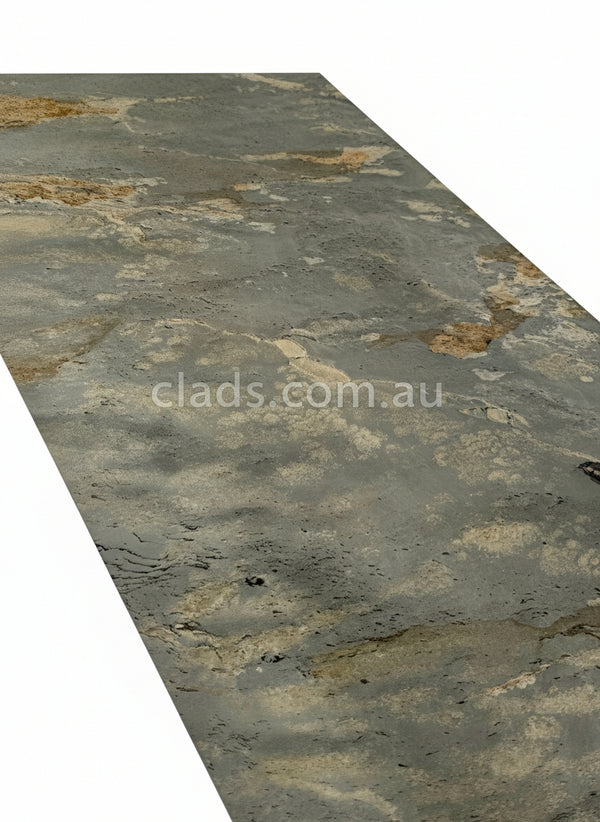
Low maintenance granite cladding is one of the most durable, long-lasting exterior wall solutions available to Australian homeowners, and it's genuinely close to maintenance-free once installed.
Here's a quick snapshot of why it stands out:
- Lifespan: 100+ years with minimal intervention
- Cleaning: A hose-down once or twice a year is typically all it takes
- Repainting: Never required; granite doesn't fade under UV exposure
- Sealing: Every 2-3 years for exterior surfaces; 5-10 years for interior
- Weather resistance: Handles freeze-thaw cycles, coastal salt spray, and high humidity
- Eco credentials: A natural igneous rock requiring no synthetic coatings or chemical treatments
If you've ever spent a weekend repainting a tired timber facade, patching cracked render, or watching WPC composite panels warp in the summer heat, you already know the problem.
Exterior maintenance isn't just expensive. It's relentless.
For busy Australian homeowners juggling work, family, and renovation decisions, the hidden cost of ongoing upkeep adds up faster than most people realise. Time, labour, and repeat material costs quietly erode the value of a "budget-friendly" cladding choice.
Granite changes that equation entirely.
Formed under intense volcanic heat and pressure, granite is one of the hardest and densest natural stones on earth. Its compressive strength exceeds 19,000 psi, its porosity is exceptionally low, and its mineral composition means colour stability isn't something you need to manage; it's built in. You're not coating granite to protect it. It simply is that tough.
The result? A cladding system that looks premium on day one and still looks premium decades later, without the cycle of repairs that lower-cost alternatives demand.
I'm James Lawrence, head of operations at Clads Australia, with over 15 years working across Melbourne's construction and building materials sector, including sourcing and supplying low maintenance granite cladding systems for residential and commercial projects of every scale. In this guide, I'll walk you through everything you need to know to make a confident, long-term decision for your home.
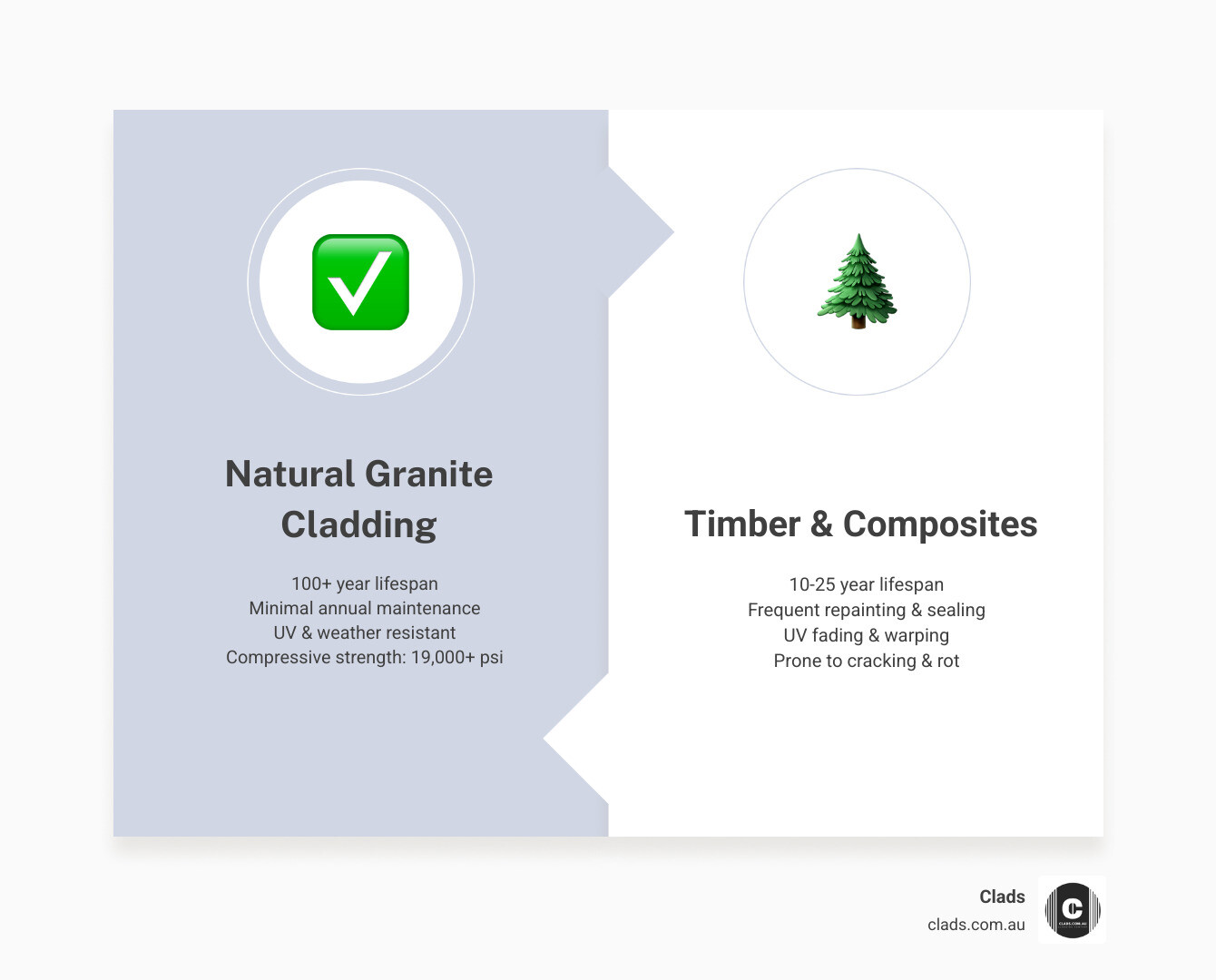
What Makes Low Maintenance Granite Cladding the Smartest Choice?
When we talk about "low maintenance," we aren't just saying it's easy to clean. We mean it possesses intrinsic physical properties that prevent it from breaking down in the first place. Granite is an igneous rock formed from cooling magma, which gives it a crystalline structure that is incredibly dense.
This density translates to a compressive strength exceeding 19,000 psi. To put that in perspective, that is roughly four to five times the strength of standard residential concrete. This high strength means your walls are resistant to chipping, cracking, and impact damage from everyday life, whether that's a stray football or a rogue garden tool.
Furthermore, granite is naturally fire-resistant. Unlike some synthetic claddings, it won't melt or release toxic fumes when exposed to high heat. This makes it a top-tier choice for Australian homes in bushfire-prone areas or high-density urban environments like Sydney CBD or Melbourne.
| Feature | Granite Cladding | Manufactured Stone | Metal Cladding |
|---|---|---|---|
| Lifespan | 100+ Years | 20-30 Years | 40-50 Years |
| UV Resistance | Exceptional (Zero fading) | Moderate (Can fade) | High (If PVDF coated) |
| Maintenance | Low (Occasional wash) | Moderate (Sealing/Repairs) | Moderate (Check seals) |
| Porosity | Very Low | High | Non-porous |
| Impact Risk | Very Low | High (Brittle) | Moderate (Denting) |
Performance in the Australian Climate
Australia's climate is famously harsh. In places like Geelong or Ballarat, we see intense freeze-thaw cycles in winter. In the Gold Coast or Noosa, it's high humidity and relentless salt spray. Granite handles these extremes because of its low water absorption rate.
When moisture can't get into the stone, it can't expand when it freezes, preventing the surface from flaking or "spalling." In humid coastal environments, the lack of organic material in granite means it doesn't provide a food source for mould or mildew, keeping your facade cleaner for longer. You can read more about how these stones perform in local conditions in this article on Granite Wall Cladding for Australian Homes.
Long Term Colour Retention
One of the biggest frustrations for homeowners is watching a beautiful dark facade turn chalky grey after three years of Australian sun. Because granite is composed of natural minerals like quartz and feldspar, its colour is consistent all the way through the slab. It doesn't rely on dyes or pigments that break down under UV rays. Whether you choose a deep charcoal or a speckled grey, you can expect a 30-year outlook with virtually zero fading. For more on the aesthetic possibilities, see our Granite Cladding Design guide.
Why Granite Outperforms Other Exterior Wall Systems
When evaluating cladding, it's easy to get caught up in the initial price. However, the true cost is measured in "lifecycle effort." If a material requires repainting every five years or professional cleaning every six months, is it actually a bargain?
Granite is a "heavyweight champion" for a reason. It offers structural reliability that lightweight synthetic materials simply cannot match. While artificial stone wall cladding has improved significantly, it often lacks the unique "fingerprint" of natural stone and can be more prone to impact damage.
Granite vs Wood Plastic Composites (WPC)
We love WPC for its DIY-friendliness and modern look, but it serves a different purpose than granite. WPC is fantastic for those who want a timber look without the oiling. However, in terms of pure longevity, granite is in a different league. While high-quality WPC can last 25+ years, granite is measured in centuries. Granite won't expand or contract as much as composites, and it won't suffer from UV degradation over long periods. If you're deciding between the two, our External Wall Stone Cladding Guide provides a great comparison.
Granite vs Metal and Porcelain
Metal cladding, while sleek, is susceptible to denting and requires careful seal maintenance to prevent corrosion, especially in coastal areas like the Northern Beaches or Maroochydore. Porcelain slabs are incredibly hard and stain-resistant, but they can be brittle. A sharp impact on a porcelain corner can cause a crack that is difficult to repair. Granite’s natural density makes it far more forgiving under physical stress. You can explore these differences further in our Exterior Stone Veneer resource.
Real Cost Savings and Property Value Uplift
Let's talk about the elephant in the room: the upfront investment. Yes, low maintenance granite cladding typically has a higher initial cost than timber or render. However, we encourage our clients in high-value markets like Sydney and Melbourne to look at the total cost of ownership.
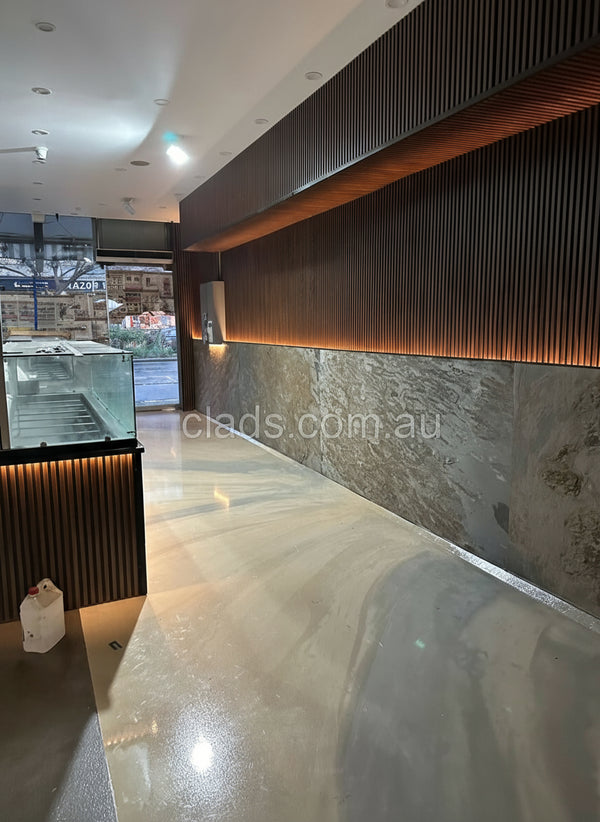
When you factor in the money saved on professional painters, scaffolding hire, and repair kits over a 20-year period, granite often becomes the more economical choice. It pays for itself by eliminating the maintenance cycles that other materials demand.
Reduced Maintenance Labour
For the busy homeowner, the biggest saving isn't just money, it's time. You don't need to spend your Saturdays scrubbing or resealing. Most granite surfaces require nothing more than a quick rinse with a garden hose once or twice a year to remove dust and salt. This DIY-friendly upkeep is a major draw for our customers from Parramatta to Perth, we've got you covered. If you're looking for Stone Cladding Suppliers in Melbourne who understand this value, we've got you covered.
Market Perception and Resale
There is an undeniable "prestige" associated with natural stone. When a prospective buyer walks up to a home clad in granite, they see a building that is solid, expensive, and permanent. It signals quality and can significantly boost property value. In a competitive real estate market, a granite facade is a point of difference that builds immediate buyer confidence. You can read more about the financial side in The Price Of Perfection: Your Guide To Stone Cladding Expenses.
What Maintenance Actually Looks Like for Homeowners
Maintenance for granite is about prevention, not cure. Because it is so resilient, you are mostly just keeping it clean rather than "fixing" it.
Simple Cleaning for Low Maintenance Granite Cladding
The golden rule for granite is: keep it simple.
- Tools: A garden hose and a soft-bristled brush.
- Products: Use only pH-neutral cleaners. Avoid acidic products (like vinegar or lemon-based cleaners) and abrasive powders, as these can dull the finish over time.
- Frequency: An annual wash is usually enough. If you live near the coast (e.g., Frankston or Manly), a quarterly rinse to remove salt build-up is recommended to prevent the salt from sitting on the surface.
Sealing Cycles for Low Maintenance Granite Cladding
While granite is naturally low-porosity, we recommend applying a penetrating sealer to help repel oil and water-based stains.
- Exterior Walls: Reseal every 2-3 years to maintain maximum protection against the elements.
- Interior Walls: These can go 5-10 years between seals since they aren't exposed to UV or rain.
- Type: Always use a "penetrating" or "impregnating" sealer rather than a "film-forming" one. Penetrating sealers live inside the stone and allow it to "breathe," whereas film-forming sealers can peel and trap moisture.
For more on maintaining specific textures, see our guide on Exterior Split Face Stone Cladding.
Choosing the Right Granite Product for Your Project
The finish you choose has a direct impact on how much maintenance you'll do. Some textures hide dirt better than others, which is a huge win for busy households.
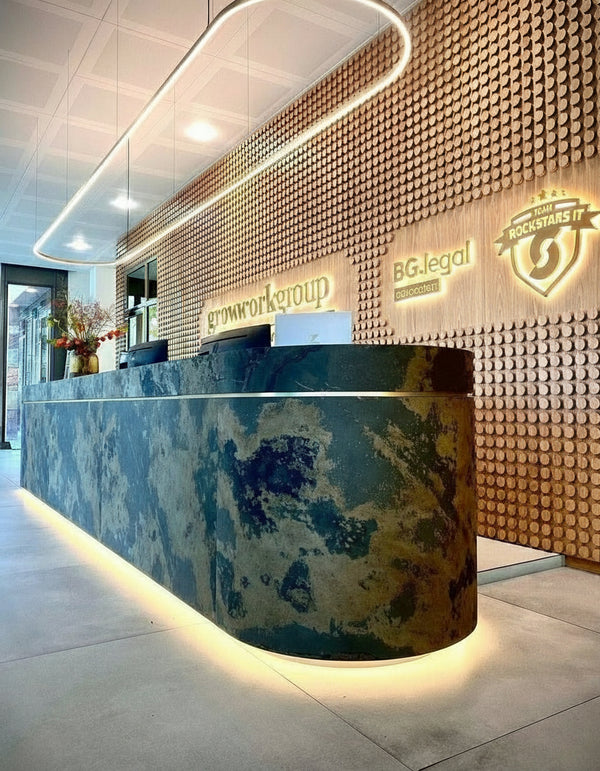
Featured Low Maintenance Stone Products
At Clads, we've curated a selection of stone products that balance aesthetics with practical performance:
-
Fake Water Fall Stone: A lightweight, easy-to-handle option for those who want the look of deep texture without the weight.
- Dimensions: 1220x600x50mm
- Weight: 1kg
- View Fake Water Fall Stone
-
Charcoal Stone Cladding Natural L: Perfect for a modern, bold look with the durability of natural stone.
- Code: THSF141122024401-3M
- Dimensions: 1220x2440x1-3mm
- Weight: 5kg
- View Charcoal Stone Cladding Natural L
-
Grey Stone Cladding Large: A versatile, neutral grey that suits almost any Australian architectural style.
- Code: THSF106122024401-3M
- Dimensions: 1220x2440x1-3mm
- Weight: 5kg
- View Grey Stone Cladding Large
Finish Selection for Busy Lifestyles
- Flamed Finish: This is created by exposing the stone to high heat, causing the surface to burst and create a rough, slip-resistant texture. It is arguably the best for exterior facades because it hides dust, water spots, and minor scratches exceptionally well.
- Honed Finish: A smooth, matte finish. It’s very modern and sophisticated. While it shows a bit more than a flamed finish, it is still very forgiving and easy to wipe down.
- Polished Finish: Best for interior feature walls or bathrooms. It provides a high-shine, luxury look but will show fingerprints and water spots more easily, requiring more frequent wiping.
Installation Methods That Guarantee Low Upkeep
The longevity of your cladding depends entirely on how it's attached to the building. A poor installation can lead to moisture being trapped behind the stone, which causes mould and eventually structural damage.
Lightweight Honeycomb Systems
Modern engineering has given us honeycomb-backed granite panels. These panels feature a thin layer of natural stone bonded to an aluminium or fiberglass honeycomb core.
- Weight: Only 3.2 pounds per sq ft (compared to 12-16 lbs for traditional stone).
- Benefits: They are much easier to install, put less stress on the building's structure, and provide better flexibility in the event of minor ground movement or earthquakes. You can find more details at Stone Cladding Suppliers Melbourne.
Mechanical Fixing vs Adhesive
- Adhesive Installation: Common for interior walls and smaller residential projects. It requires a "back-buttering" technique to ensure at least 95% coverage, preventing hollow spots where moisture can collect.
- Mechanical Fixing: The gold standard for exterior facades and high-rise buildings. This involves using stainless steel or aluminium anchors to hang the stone. It creates an air gap (ventilated rainscreen) that allows moisture to drain and air to circulate, significantly extending the life of the wall system.
Frequently Asked Questions about Granite Cladding
How long does granite cladding actually last?
Properly installed granite cladding is a generational product. It has a lifespan of 100+ years. Most modern buildings will be renovated or replaced long before the granite cladding fails. Its structural reliability and colour stability make it one of the few building materials that truly outlasts a 30-year mortgage.
Does granite cladding require professional cleaning?
Generally, no. It is very DIY-friendly. A simple rinse with water and a soft brush is all that's needed for routine care. You only need professional servicing if the stone has been severely neglected for decades or if you need a high-pressure clean for a large commercial facade.
Is granite cladding suitable for coastal Australian homes?
Absolutely. Granite is non-corrosive and highly resistant to salt spray. Unlike metal cladding which can rust or timber which can rot in salt-heavy air, granite remains stable. It is the high-performance choice for homes from the Sunshine Coast to the Mornington Peninsula.
Conclusion
Building a home is a massive investment, and choosing low maintenance granite cladding is one of the few decisions you can make that actually gives you time back. By selecting a material that doesn't rot, fade, dent, or require repainting, you are effectively "future-proofing" your facade against the stresses of the Australian environment.
At Clads Australia, we pride ourselves on making these premium architectural materials accessible. With over 150 depot locations across the country, including Melbourne, Sydney, Brisbane, Adelaide, and Perth, we offer national distribution with local pick-up access. Our standard shipping takes just 2-8 days, ensuring your project stays on schedule.
Whether you're a builder in Western Sydney or a renovator in Geelong, we're here to help you find a cladding system that performs as good as it looks. Build once, maintain almost never.