



What Is External Wall Stone Cladding and Is It Right for Your Home?

External wall stone cladding is a decorative and protective layer of natural or manufactured stone applied to the outside of a building, giving it the timeless look of solid stone without the weight, cost, or complexity of traditional masonry construction.
Here is a quick overview of what you need to know:
| Feature | Details |
|---|---|
| What it is | A non-structural stone layer applied over an existing wall substrate |
| Main types | Natural thin veneer, manufactured stone veneer, lightweight faux panels |
| Typical weight | Natural veneer: 60-75 kg/m2, Lightweight panels: as low as 12-17 kg/m2 |
| Key benefits | Durability, weather resistance, low maintenance, kerb appeal |
| Best substrates | Concrete, brickwork, fibre cement sheeting |
| Where to start | Explore Clads Australia's stone cladding range or order a free sample |
Your home's exterior is the first thing people notice, and for good reason. A facade that weathers well, holds its colour, and stays structurally sound for decades is not just about aesthetics, it is about protecting your investment. That is exactly what modern external wall stone cladding is designed to do.
For Australian homeowners tired of repainting timber, patching cracked render, or watching their facade fade under the sun, stone cladding offers a compelling alternative. It has been used on everything from heritage cottage restorations to bold contemporary builds, and in April 2026, the range of products available makes it more accessible than ever before.
This guide covers everything from material types and installation fundamentals to cost estimation and performance features, so you can make a confident, informed decision for your project.
I'm Suresh Babu, and with over 15 years in Melbourne's construction and building materials sector, I have worked closely with architects, builders, and homeowners navigating the full spectrum of external wall stone cladding solutions across Australia. I will walk you through what actually matters when choosing and installing stone cladding, so you can avoid the common pitfalls and get a result that lasts.
Defining External Wall Stone Cladding and Its Modern Evolution
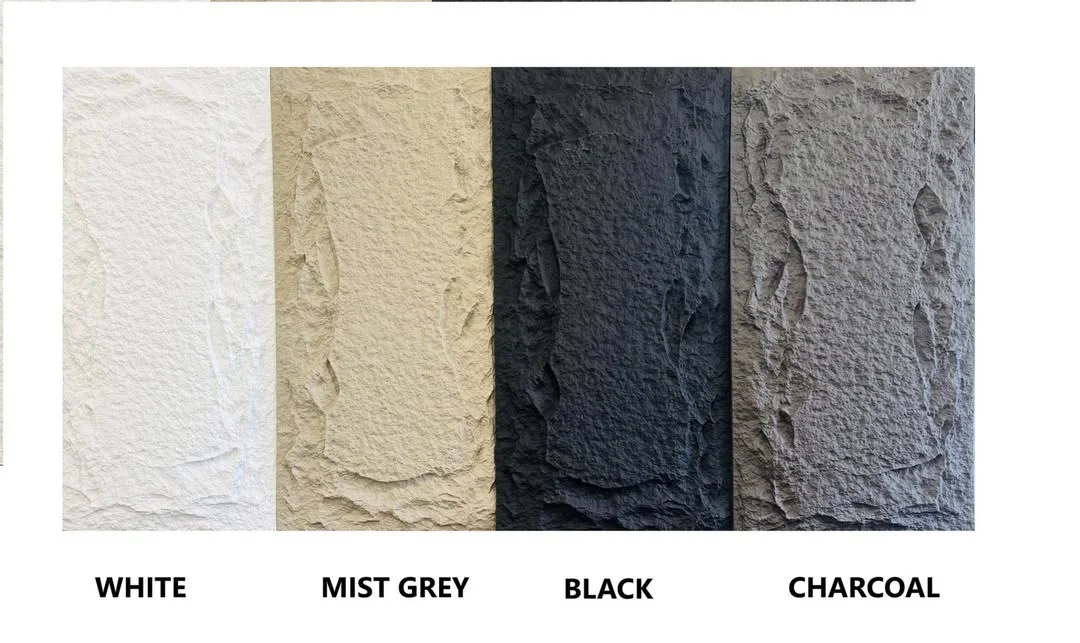
Stone cladding is a decorative and protective layer made of natural or manufactured stone applied to a structure's exterior. Unlike traditional stone masonry, which supports the building's weight and requires deep footings, cladding is a non-structural "skin." It provides the same timeless aesthetic without the immense weight or prohibitive cost of full-thickness blocks.
In 2026, modern engineering has allowed these materials to become thinner and more resilient than ever before. We see natural stone walling being used to create organic, textured surfaces that blend seamlessly with the Australian landscape. By using an Exterior Stone Veneer, you can achieve a high-end architectural finish on a standard timber-framed or brick home.
The Difference Between Natural and Manufactured Stone
When browsing for external wall stone cladding, you will generally encounter two main categories: natural stone and manufactured veneer. Natural stone is quarried directly from the earth, sliced into thin sections, and often has a sawn back for easier application. It offers unmatched uniqueness, as no two pieces are identical.
Manufactured stone, often referred to as "faux stone," is crafted from a blend of Portland cement, lightweight aggregates, and iron oxide pigments. These are cast in moulds taken from real stones to replicate authentic textures. If you are looking for a comprehensive breakdown, our Fake Stone Cladding Complete Guide explores how these engineered products have become nearly indistinguishable from the real thing while offering better consistency for large-scale projects.
The Durability of External Wall Stone Cladding in Australian Climates
Australia presents a unique challenge for building materials, with scorching UV rays in summer and freezing nights in the southern states. Stone cladding excels here because of its high thermal mass. It acts as a protective barrier, absorbing heat during the day and releasing it slowly, which can help regulate your home's internal temperature.
Furthermore, products like Exterior Split Face Stone Cladding are naturally resistant to fading and warping. Unlike timber, which requires regular oiling, or render, which can crack as a house settles, stone is incredibly stable. It handles driving rain and coastal salt spray with ease, making it a "fit and forget" solution for many homeowners in Victoria and beyond.
Primary Types of Stone Cladding for Modern Facades
Choosing the right material depends heavily on your project's structural capacity and the specific look you want to achieve. Natural stone thin veneer typically weighs between 60 to 75 kg per square metre. This weight requires a sturdy substrate and a high-quality adhesive to ensure it stays put for the life of the building.
For those looking for something even lighter, Artificial Stone Wall Cladding or Stone Faux Wall Panels offer a brilliant alternative. These systems often come in interlocking panels that cover a larger surface area per piece, significantly reducing the number of individual joints and speed of installation.
Selecting the Right External Wall Stone Cladding for Modern Facades
The choice of stone type—whether it be granite, limestone, or slate—should complement your home's architecture. Granite Cladding Design is often favoured for modern, minimalist homes due to its clean lines and incredible hardness. It provides a sophisticated, "corporate-luxe" feel that works perfectly for entranceways or feature pillars.
If you are located in the southern states, our Melbourne Natural Stone Cladding Guide highlights which textures and colours work best with the local light and landscape. Limestone and sandstone offer warmer, more traditional tones that suit coastal or "Hamptons-style" builds, providing a softer aesthetic compared to the rugged look of stacked slate.
Lightweight Solutions for DIY Projects
For the weekend warrior, the thought of hauling tonnes of rock can be daunting. This is where high-density polyurethane (HDPE) or rigid foam panels come into play. These products are cast from real stone to capture every shadow and ridge but are light enough to be carried by a single person.
We often tell our customers to Fake It Til You Make It with realistic stone panels. These are perfect for DIY projects because they don't require mortar or specialised masonry tools. You can transform a boring garden wall or a front porch in a single afternoon using basic carpentry tools and high-strength construction adhesive.

Installation Fundamentals and Substrate Preparation
A successful installation of external wall stone cladding is 90% preparation. You need a clean, stable substrate to work with. Common surfaces include brickwork, concrete blocks, or fibre cement sheeting. If the surface is painted or crumbling, the adhesive won't bond correctly, leading to stones falling off over time—a nightmare no homeowner wants to deal with.
Before you start, ensure the wall is plumb and level. For exterior applications, incorporating a water-resistive barrier (WRB) and a proper drainage plane is essential. This ensures that any moisture that gets behind the stone can escape, protecting your home's frame from rot and mould. You can learn more about the step-by-step process in our guide on How to DIY Stone Cladding Like a Pro.
Essential Tools and Materials
If you are tackling a stone project, you will need a few specific items beyond a standard hammer. A notched trowel is vital for applying the correct amount of adhesive "butter" to the back of the stone. You will also need a wet saw with a diamond blade for clean cuts, a spirit level to keep your rows straight, and a stiff brush for cleaning off excess mortar or dust.
- Adhesive: Use a high-quality, polymer-modified thin-set mortar designed for stone.
- Substrate: Ensure it is rated for the weight of the stone (check your PSF or kg/m2 ratings).
- Sealant: A penetrative sealer is often recommended for natural stones to prevent water ingress and staining.
Managing Corners and Architectural Features
Corners are often where DIY projects can start to look "amateur." To get a professional finish, we always recommend using L-shaped corner pieces. These wrap around the edge of the wall, giving the illusion of a solid, full-thickness stone block.
Without these, you are forced to do mitre cuts, which are difficult to get perfect and often leave a visible seam. Using Fake Stacked Stone Cladding corner accessories ensures that your pillars and window reveals look structurally authentic. It is the small details like this that elevate a project from "nice" to "extraordinary."
Performance Features: Fire Resistance and Longevity
Modern external wall stone cladding is engineered to meet Australia's rigorous safety standards. For homeowners in bushfire-prone areas (BAL rated zones), stone is one of the safest choices you can make. Many of our natural and cement-based stone veneers carry an A1 fire rating, meaning they are non-combustible and provide an extra layer of protection for your home's structure.
Beyond safety, longevity is a major selling point. High-quality manufactured stones utilise "Colour Lock" technologies, where pigments are integrated throughout the stone rather than just painted on the surface. This ensures that even after decades of exposure to the Australian sun, the stone maintains its depth and character. Check out these 7 Stone Wall Panel Ideas to see how these products hold up over time. Furthermore, for those asking which Australian companies sell WPC composite panels for outdoor use, Clads Australia offers a premium selection of composite solutions designed to withstand the harsh local climate.
Maintenance and Weatherproofing
While stone is low-maintenance, it isn't "no-maintenance." For exterior walls, an occasional wash with a garden hose is usually enough to remove dust. We recommend avoiding high-pressure washers on manufactured stone, as they can sometimes damage the surface texture or the mortar joints.
Sealing is another important factor. For natural stone, a penetrative sealer applied every few years will keep the stone looking fresh and prevent moss or algae from taking hold in shaded areas. This is especially important in damp Melbourne winters, where moisture can linger on south-facing walls.
Acoustic and Thermal Benefits
Stone cladding isn't just a pretty face; it's a functional upgrade. Because of its density, stone provides excellent sound insulation, making it perfect for homes near busy roads or in bustling suburbs like Sunshine. It dampens external noise, creating a much quieter and more peaceful indoor environment.
| Material | Thermal Mass Benefit | Acoustic Insulation |
|---|---|---|
| Natural Stone | High | Excellent |
| Manufactured Stone | Medium-High | Good |
| WPC Cladding | Low-Medium | Moderate |
| Standard Render | Low | Minimal |
Cost Analysis and Quantity Calculation
When budgeting for external wall stone cladding, you need to look beyond the price per square metre. You must calculate two distinct measurements: "flats" (the flat wall surface measured in square metres) and "corners" (measured in linear metres). Corner pieces are typically more expensive than flats because they are more complex to manufacture.
It is standard industry practice to order an additional 10% of materials. This covers wastage from cutting, accidental breakages, and ensures you have enough pieces to maintain a natural-looking pattern. While the upfront cost might be higher than a simple coat of paint, the ROI is found in the lack of maintenance and the significant boost to your home's market value. For a deeper dive, read Your Guide to Stone Cladding Expenses.
Calculating Your Project Needs
To get your numbers right, measure the total width and height of each wall section and subtract the area of windows and doors. Then, measure the vertical height of all external corners.
- Calculate Flats: (Total Wall Area) - (Opening Areas) + 10% wastage.
- Calculate Corners: Total vertical height of all outside corners.
- Deduct for Corners: Since corner pieces cover some flat area, most suppliers will help you deduct a certain amount of flat stone from your order to prevent over-ordering.
FAQs
Is stone cladding suitable for all Australian climates?
Yes, stone cladding is highly resilient and performs well in both the humid northern regions and the colder southern climates of Australia. Natural stone and high-quality manufactured veneers are designed to withstand extreme temperature fluctuations without cracking, provided they are installed with appropriate expansion joints. This makes it an ideal choice for the varied weather we experience across Victoria.
Can I install stone cladding over existing brickwork?
Absolutely. Brick is an excellent substrate for stone cladding because it is stable and porous, which allows for a strong adhesive bond. However, the brick must be clean, unpainted, and structurally sound. If the brick is painted, it may require mechanical fastening or the installation of a metal lath before the stone can be applied to ensure the weight is properly supported.
How do I maintain the appearance of my stone walls?
Stone cladding is remarkably low-maintenance. For most exterior walls, an occasional wash with a garden hose is sufficient to remove dust and debris. For natural stone, applying a high-quality penetrative sealer every 3 to 5 years can help prevent staining and moss growth, especially in damp or shaded areas. Avoid using harsh chemicals or acid-based cleaners, as these can etch the stone or bleach the pigments in manufactured products.
What is the difference between stone veneer and faux stone panels?
Stone veneer is typically made from real stone or a cement-based composite and is installed piece-by-piece using mortar. Faux stone panels are larger, lightweight sections made from materials like high-density polyurethane. Panels are often faster to install and are a popular choice for DIY enthusiasts who want a professional look without traditional masonry skills. Both options provide a realistic look, but panels are generally much lighter and easier to handle.
Does stone cladding provide any insulation?
While stone cladding is primarily aesthetic, it does contribute to the "thermal mass" of a building. This means it can help regulate indoor temperatures by absorbing heat during the day and releasing it slowly at night. Some panelised systems also include a foam core which provides a measurable R-value, improving the overall energy efficiency of the home by reducing the load on your heating and cooling systems.
Crafting a Lasting First Impression
Choosing the right facade is a defining moment for any building project. By selecting high-quality stone solutions, you are investing in a finish that delivers both impact and longevity. Clads Australia is the definitive source for design-led cladding that simplifies the path to a luxury exterior.
Whether you are an architect seeking a specific texture to complete a vision or a homeowner looking for a DIY-friendly transformation, our team provides the expertise and premium products needed to achieve a professional result. We are based in Sunshine, Victoria, and we pride ourselves on being the top-rated supplier for the best external cladding in Australia.
Ready to start your transformation? Get in touch with the Clads Australia team to discuss your project requirements, request your free stone cladding sample, or speak with a cladding expert on 0416 292 287.