



Why WPC Fluted Panels Are Becoming a Go-To Choice for Modern Interiors

WPC fluted panel design has become one of the fastest-growing trends in Australian home renovation, and it is easy to see why. Homeowners are increasingly moving away from traditional timber, which warps, rots, and demands constant repainting, in favour of a material that delivers the same warmth and texture without the ongoing headaches.
Quick Overview: What You Need to Know About WPC Fluted Panels
| Feature | Detail |
|---|---|
| Material | Wood fibres blended with polyethylene (plastic) |
| Typical lifespan | 15 to 25+ years depending on conditions and care |
| Water resistance | Yes, suitable for humid areas including bathrooms |
| Fire resistance | Fire-retardant (certification-dependent by product) |
| Maintenance | Low, wipe clean with mild soap and water |
| Common uses | Feature walls, ceilings, TV backdrops, commercial interiors |
| Sustainability | Often made with recycled content (varies by product) |
| Installation | DIY-friendly, adhesive or hidden fastener systems |
WPC stands for Wood Plastic Composite, a material that combines natural wood fibres with a polymer binder to create panels that mimic the look of real timber while resisting moisture, insects, and general wear. The fluted profile adds a ribbed, three-dimensional surface that plays with light and shadow to give walls genuine architectural character.
This guide covers everything from how these panels are made through to installation, design options, and how they compare to PVC, stone, and traditional timber alternatives.
I am James Lawrence, head of operations at Clads Australia, where I have spent over 15 years working with architects, builders, and homeowners across Melbourne's construction and building materials sector. My experience sourcing and supplying premium WPC fluted panel solutions gives me a practical, on-the-ground perspective on what works in real Australian homes and commercial projects.
What is a WPC Fluted Panel and How is it Manufactured?
At its core, a fluted panel is a high-performance hybrid material. We create these panels by blending natural wood fibres (often sawdust or wood flour) with thermoplastics such as HDPE (High-Density Polyethylene). This mixture is processed through an extrusion method, where the heated material is forced through a precision-engineered die to create the distinctive "ribbed" or "slat" profile.
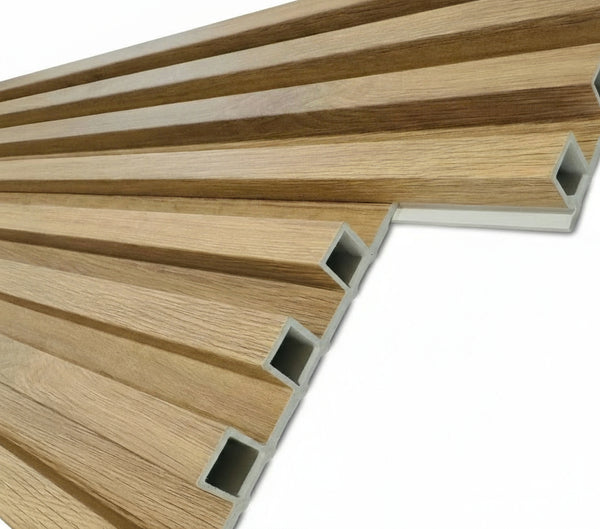
Modern manufacturing often employs co-extrusion technology. This involves adding a protective outer layer or "cap" during the extrusion process, which enhances the panel's resistance to fading and scratches. The result is a 3D texture that provides deep shadow lines, mimicking the appearance of high-end timber joinery but with significantly higher durability.
Many of our indoor panels feature a sophisticated tongue-and-groove system. This design allows the panels to slot together seamlessly, hiding the fasteners and creating a continuous vertical rhythm across the wall. Unlike traditional timber slats, which must be installed individually with precise spacing, these panels come in wide planks that cover large areas quickly.
Technical Performance and Key Benefits for Australian Interiors
When we discuss the technical merits of a WPC panel, we are looking at how it stands up to the unique demands of Australian homes. From the humid coastal regions of the Sunshine Coast to the temperature fluctuations of Melbourne, these panels are engineered for stability.

Durability and Lifespan
A high-quality WPC panel typically offers a lifespan of 15 to 25+ years. While some premium installations under ideal conditions can last even longer, this range reflects the realistic performance of the material in high-traffic residential and commercial environments. Because the wood fibres are encapsulated in plastic, the panels do not rot, crack, or splinter like natural timber.
Resistance to the Elements
- Moisture and Termites: One of the most significant advantages is that WPC is naturally termite-proof and highly moisture-resistant. This makes it an excellent choice for "wet" areas like bathrooms or laundries where real wood would quickly succumb to mold or warping.
- Temperature Stability: Our panels are designed to withstand a temperature range from -20C up to 55C. This thermal stability ensures that the panels maintain their shape and structural integrity even during intense Australian summers.
- Fire Safety: Most WPC products are fire-retardant. However, it is important to note that fire ratings are certification-dependent. We always recommend checking the specific fire certificate for the product to ensure it meets the local building codes for your specific project.
Design Versatility and Modern Applications
The aesthetic appeal of the fluted panel lies in its ability to transform a flat, uninspired wall into a focal point of architectural interest. Whether you are looking to create a cozy reading nook in a Sydney apartment or a professional reception area in a Brisbane office, the design possibilities are extensive.
We see these panels being used increasingly for TV backdrops, where the vertical lines help to hide cables and add depth to the entertainment unit. In retail settings, they provide a durable yet stylish surface that can withstand the bumps and scrapes of daily foot traffic.
Popular Finishes for the WPC Fluted Panel
While the classic wood look remains a favourite, the range of finishes has expanded to suit various interior palettes. Some of the most sought-after options include:
- Walnut: A rich, dark tone that brings a sense of traditional luxury.
- Royal Oak: A lighter, honey-toned finish that works perfectly in "Scandi-style" or coastal interiors.
- Charcoal and Luxe Noir: Ideal for modern, industrial-themed spaces or home theatres where a darker, more dramatic backdrop is required.
- Matte White: A clean, crisp option that provides texture without overwhelming a room with colour.
Creative Interior Uses for the WPC Fluted Panel
Beyond standard walls, we recommend thinking vertically. Using a WPC panel on a ceiling can make a room feel taller and more expansive. They are also frequently used as bedheads, providing a tactile and warm surface that is much easier to clean than fabric upholstery.
Installation and Maintenance Guide
One of the reasons we champion WPC at Clads Australia is its DIY-friendly nature. You do not need a specialized set of tools to achieve a professional finish. Most homeowners with basic carpentry skills can complete a feature wall over a weekend.
Steps for a Successful Installation
- Preparation: Ensure your wall surface is flat, clean, and dry. If the wall is uneven, you may need to install a simple timber or metal batten system first.
- Layout Planning: Start from the most visible corner. Use a spirit level to ensure your first panel is perfectly plumb.
- Adhesive and Fastening: Apply a high-quality construction adhesive in vertical beads to the back of the panel. For extra security, use hidden screws or clips through the tongue of the panel.
- Expansion Gaps: Even indoors, materials can expand and contract slightly with temperature changes. Leave a small gap (usually 2-5mm) at the top and bottom of the wall.
- Cutting: Use a fine-tooth saw blade to prevent chipping the surface of the WPC fluted panel.
For external applications, it is vital to maintain 10-25mm drainage gaps and proper ventilation to prevent moisture buildup behind the panels. Always use stainless steel fasteners to avoid rusting. You can find more detailed walkthroughs in our articles How To Install WCP Cladding and Clad It Up Mastering Internal WPC Panel Installation.
WPC Fluted Panels vs. Traditional Timber Slats
| Feature | WPC Fluted Panel | Traditional Timber Slats |
|---|---|---|
| Installation Speed | Fast (Large planks) | Slow (Individual slats) |
| Maintenance | Minimal (Wipe clean) | High (Oiling/Sanding) |
| Moisture Resistance | Excellent | Poor (Requires sealing) |
| Uniformity | High (Consistent colour) | Low (Natural variations) |
| Cost over time | Low (No upkeep costs) | High (Ongoing maintenance) |
Maintenance Tips
Maintaining your panels is incredibly simple. Unlike wood, which needs periodic oiling or staining, WPC only requires an occasional wipe down with a soft cloth and mild soap. Avoid using abrasive cleaners or scouring pads, as these can dull the finish of the decorative layer.
Frequently Asked Questions and Conclusion
At Clads Australia, we have built our reputation on providing practical, high-quality cladding solutions. With over 150 depot locations across Australia—including major hubs like Melbourne, Sydney, Brisbane, Adelaide, and Perth—we make it easy to access the materials you need for your next project. Our national distribution network ensures that whether you are in Geelong or the Gold Coast, professional-grade WPC fluted panel options are never far away.
Are WPC panels suitable for bathrooms?
Yes, they are highly suitable. Because they are waterproof and resistant to mold and mildew, they make excellent feature walls behind vanities or in powder rooms. However, we do not recommend using them inside a shower cubicle where they are under constant, direct water pressure, unless specifically rated for that use by the manufacturer.
How do WPC panels compare to PVC or marble alternatives?
While PVC panels are often cheaper and lighter, they can sometimes look "plastic" and are more prone to impact damage. Marble panels offer a stunning aesthetic but are heavy, expensive, and difficult to install. The fluted panel sits in the "goldilocks" zone—it provides a realistic wood texture that is more durable than PVC and much more cost-effective and DIY-friendly than stone or marble.
What is the expected lifespan of these panels?
As mentioned, you can expect a lifespan of 15 to 25+ years. This longevity is influenced by the quality of the installation and environmental factors. For instance, panels in a temperature-controlled living room will likely outlast those in a high-humidity commercial spa.
If you are ready to see the quality for yourself, you can Get a free sample of WPC panels from our website.
Texture That Lasts
Choosing WPC fluted panels isn’t just about following a design trend, it’s about building smarter from the start. You get that warm timber look without the ongoing maintenance, plus the kind of durability that keeps its shape, colour, and finish long after installation day.
From humid coastal homes in Noosa to busy renovation sites in Western Sydney, it’s a material that performs in real conditions, not just on a mood board.
If you’re ready to elevate your next interior project, Clads Australia has a full range of internal cladding systems worth exploring:
- Explore the A+ Cladding Collection
- Browse the Internal Acoustic Panel Range
- See the Internal Wet Wall Panelling
Take a look through the range and build something that doesn’t just look good today, but still feels right years down the track.