



Understanding Sound Absorption Panels and How They Work
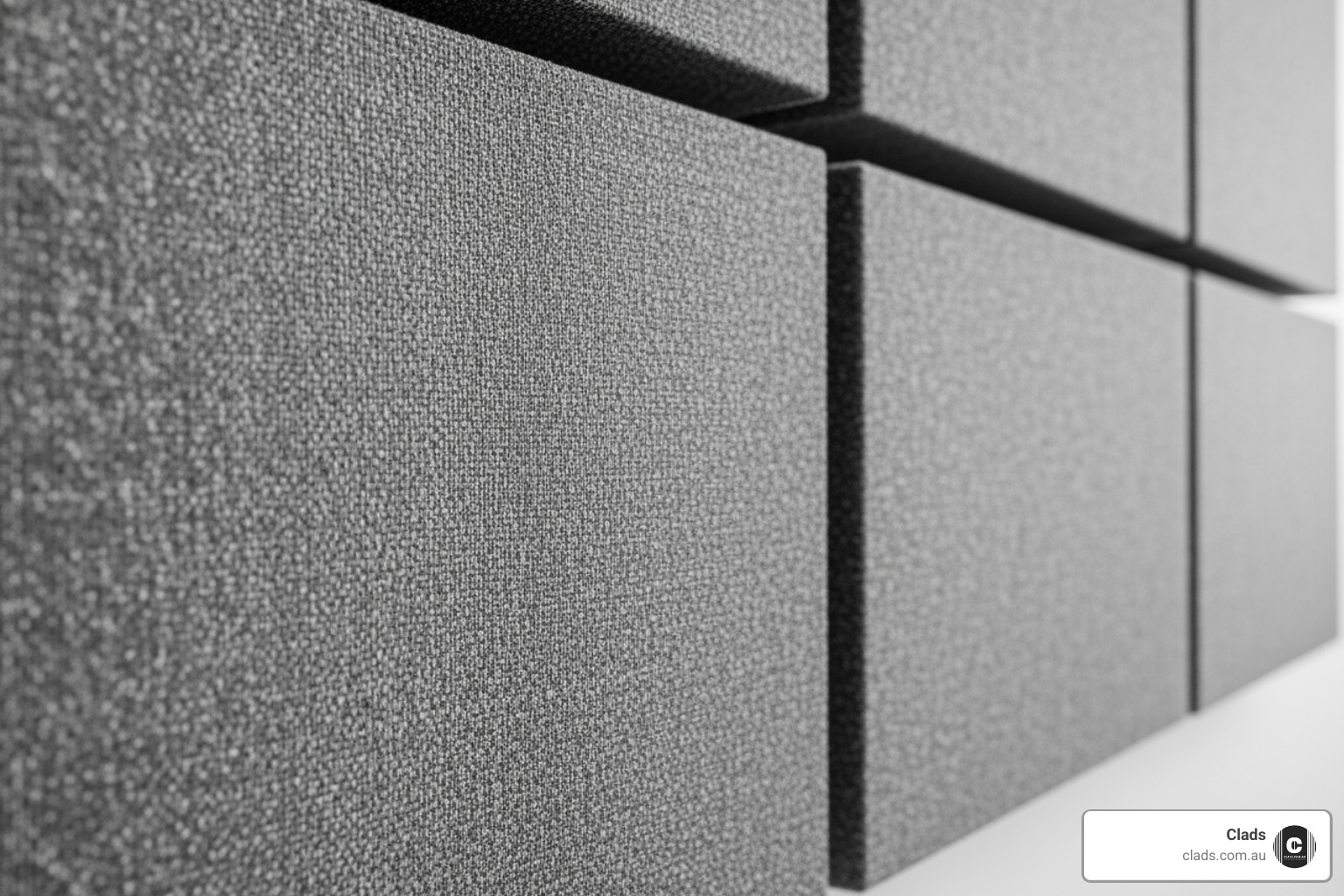
I’m Suresh Babu, and at Clads Australia, we’ve spent years helping architects, builders, and homeowners transform their spaces through thoughtful material selection. When we talk about sound absorption panels, we aren't just talking about utility; we are talking about "Creating Architectural Aesthetics" that resonate on a sensory level. A room that looks beautiful but sounds like a hollow cavern fails to deliver the comfort and luxury that high-quality cladding should provide.
At its heart, a sound absorption panel is a tool for managing energy. When sound waves travel through the air and hit a hard surface like a plastered wall or a glass window, they bounce back, creating what we perceive as echoes or a "boomy" room. This is particularly common in modern Australian homes with open-plan living areas and hard flooring. Sound absorption panels work by providing a soft, porous landing spot for those waves. Instead of bouncing back, the sound energy enters the panel core—often made of dense fibreglass or mineral wool—and is converted into a tiny amount of heat through friction within the fibres.
The effectiveness of these panels is measured by the Noise Reduction Coefficient (NRC). This rating typically ranges from 0 (perfect reflection) to 1.0 (perfect absorption), though some test results can exceed 1.0 depending on the mounting method and test conditions. For example, a panel with an NRC of 0.85 absorbs 85% of the sound that hits it. For a plain-English overview of NRC and absorption, you can also explore the concepts in Clads Australia's own learning hub and reference material.
| Material Density | Typical NRC (25mm / 1" Thickness) | Typical NRC (50mm / 2" Thickness) | Performance Level |
|---|---|---|---|
| 3 PCF Fiberglass | 0.70 | 0.90 | Standard |
| 6-7 PCF Fiberglass | 0.80 | 1.00+ | Professional |
| Acoustic Foam | 0.40 | 0.70 | Entry Level |
| Wood Slat/MDF | 0.45 | 0.65 | Decorative/Hybrid |
By disrupting sound reflections and reducing reverberation, these panels ensure that the sound you want to hear—like a conversation or a movie soundtrack—is crisp and clear. This is essential for "Cladding that delivers Impact and Longevity," as the acoustic performance of a room is just as vital as its visual durability. For more technical insights and wall-specific guidance, you can explore more info about acoustic wall panels.
Types of Sound Absorption Panels for Every Space

Not all acoustic challenges are the same, which is why there are several types of sound absorption panels designed for specific roles. One of the most popular trends we are seeing in Australian homes is the "Modern Slat" design. These panels feature timber or MDF slats mounted on a heavy-duty acoustic felt backing, giving you a strong linear aesthetic while helping to break up reflections. These are perfect for those who want the warmth of wood without the acoustic harshness of traditional timber panelling.
For dedicated audio spaces, you might encounter bass traps and gobos. Bass traps are thicker panels designed to sit in corners where low-frequency energy tends to build up and make a room sound muddy. Gobos (short for "go-betweens") are portable panels commonly used to help isolate instruments or voices during recording. These are often used by professionals who need a flexible acoustic environment.
In larger commercial spaces or high-ceilinged homes, ceiling baffles or clouds are hung horizontally to catch sound waves that would otherwise reflect off the roof and down into the room. This is a common solution in restaurants where the noise floor can become overwhelming. If you're weighing up absorption versus blocking noise between rooms, check out more info about sound isolation panels.
Key Benefits of Installing Sound Absorption Panels
The benefits of installing sound absorption panels extend far beyond just "making things quieter." In a home office, reduced echo means better speech clarity on video calls, which can have a real impact on day-to-day productivity. In a home theatre, absorption panels help prevent the "audio blur" that happens when sound reflects off walls and arrives at your ears slightly out of time. This creates a more immersive and professional cinematic experience.
Beyond the home, these panels are useful in high-traffic environments. In classrooms and lecture areas, they can support clearer communication between teachers and students. In gymnasiums, community halls, and restaurants, they help reduce the "cocktail party effect" where people feel they need to raise their voice to be heard over the background noise. To understand where absorption ends and heavier noise control begins, read more info about acoustic panels for soundproofing.
When selecting sound absorption panels, the "ingredients" matter. The core is the engine of the panel. In many commercial-grade fabric-wrapped systems, 6-7 PCF rigid fibreglass is a strong benchmark for performance and consistency. The fabric covering the panel must be acoustically breathable. A simple check is whether air can pass through it easily; if it can, sound can typically pass through to the core rather than reflecting straight back. We also recommend paying attention to fire performance and suitability for the intended area, especially for commercial projects where compliance is non-negotiable.
Strategic Placement and Maintenance for Longevity
Placement is just as important as the panels themselves. In a home theatre or listening room, we focus on "first reflection points." These are the spots on the side walls where sound from the speakers first hits before reaching your ears. Placing sound absorption panels here creates a much tighter, more accurate soundstage. This is a simple yet effective way to improve the performance of your existing audio equipment without spending thousands on new hardware.
In asymmetrical rooms, the goal is to create acoustic symmetry. If you have a large glass window on one side of your listening position, you should place panels on the opposite wall to balance the reflections. For vertical placement, think about the "ear height" of the room's occupants. In a seated conference room, panels should be mounted lower. In a standing concert venue or a home gym, they should be mounted higher. We always suggest getting large samples of our finishes to see how they interact with your room's lighting before making a final decision.
Maintenance is surprisingly simple. Most fabric-wrapped panels can be lightly vacuumed to remove dust. For environments where hygiene is a priority, such as healthcare facilities or busy kitchens, we offer bleach-cleanable fabric options that allow for deep sanitisation without damaging the acoustic properties. You can shop internal acoustic panels to see our current range of easy-to-maintain finishes that are designed for both beauty and durability.
Installation Strategies for Optimal Performance
One of the reasons we love sound absorption panels at Clads Australia is that they are incredibly DIY-friendly. It is important to note that Clads Australia is a specialist supplier—we sell the high-quality products you need to achieve a professional finish. While we do not provide installation services directly, we can connect you with a local installer upon request if your project requires professional fitting. For those taking the DIY route, there are several common mounting methods:
- Impaling Clips: These are small metal plates with spikes. You screw the clip to the wall, apply a bit of construction adhesive, and press the fiberglass panel onto the spikes.
- Z-Clips: These provide a secure, hidden mount where one clip is on the wall and the other is on the back of the panel, allowing them to lock together.
- Rotofast Anchors: These are excellent for drywall installations. They screw into the back of the panel and then click into anchors on the wall, making them easy to remove or adjust later.
- Adhesives: For a permanent, low-profile look, high-strength construction adhesives can be used directly on the back of rigid panels.
Whether you are mounting on a wall or a ceiling, these methods ensure your panels stay secure while maintaining a clean, architectural look. For visual walkthroughs and project inspiration, you can also visit the Clads Australia YouTube channel. To find the perfect match for your interior, you can shop internal cladding for complementary styles that work alongside your acoustic treatments.
Customisation and Design Flexibility
Acoustics shouldn't come at the expense of aesthetics. Modern sound absorption panels offer incredible design flexibility. Our wood slat panels, for instance, come in various finishes like Modern Slat Chestnut, which adds warmth and texture to a room. Standard sizes often include 600mm x 2400mm (approximately 2' x 8') or 2400mm x 1200mm (4' x 8'), allowing you to cover large vertical surfaces with ease. Using textured profiles is a fantastic way to add depth to a flat wall while simultaneously improving the room's sound quality.
We believe in "design-led cladding," which means every product we sell is chosen for its ability to create a high-impact architectural statement. You can mix and match colours, play with textured profiles to add depth to your walls, and use different thicknesses to create a 3D effect. This approach ensures that your acoustic treatment looks like a deliberate design choice rather than an afterthought. To finish off your project with professional precision, don't forget to shop all cladding accessories for trims and mounting hardware.
Frequently Asked Questions (FAQs)
Q: What is the difference between soundproofing and sound absorption? A: Soundproofing is about blocking sound from entering or leaving a room using heavy, dense materials. Sound absorption is about improving the sound quality inside the room by reducing echoes and reverberation. Most residential projects benefit most from a combination of both.
Q: Are acoustic panels a fire hazard? A: Not if you choose the right ones. Look for panels with a Class A fire rating. Fiberglass cores and specifically treated acoustic fabrics are generally naturally fire-resistant and safe for residential and commercial use. Always check the specific product data sheet for compliance.
Q: Can I use these panels outdoors? A: Most standard fabric-wrapped panels are for indoor use only. However, specialized panels with UV protection and moisture-resistant cores are available for outdoor areas. We recommend our aluminium or stone cladding ranges for external applications where sound reflection needs to be managed.
Q: How many panels do I need for my room? A: A general rule of thumb for a standard room is to cover 20% to 30% of the wall surface area to see a significant improvement in acoustics. For high-performance spaces like home cinemas or recording studios, this coverage may increase to 50% or more.
Q: Can I paint my acoustic panels? A: We generally advise against painting fabric-wrapped panels as the paint can clog the pores of the fabric and the core, significantly reducing their sound-absorbing capabilities. If you need a specific colour, it is best to choose a pre-finished fabric or a wood slat option that matches your palette.
Q: How do I clean the panels? A: For most internal acoustic panels, a light vacuum with a brush attachment is sufficient to remove dust. For spills, a damp cloth with mild detergent can be used on many fabrics, but always test a small, inconspicuous area first. For high-traffic areas, consider our more durable wood slat or high-impact options.
Your Room Called, It Wants Its Echo Back (But Not Really)
At Clads Australia, we believe that "Creating Architectural Aesthetics" is about more than how a room looks—it is also about how it feels and sounds. By choosing high-quality sound absorption panels, you can improve clarity, comfort, and the overall experience of a space, whether you're refining a home office, upgrading a media room, or specifying finishes for a commercial fit-out. The right acoustic treatment turns a house into a home and a workspace into a hub of productivity.
As "The Design-Led Cladding Specialists," we focus on cladding and acoustic solutions that are practical for real projects: low-maintenance finishes, DIY-friendly options, and materials selected for durability. The goal is "Cladding that delivers Impact and Longevity," so your design performs well not just on day one, but for years to come. We take pride in supplying products that meet the rigorous demands of Australian architects and builders while remaining accessible to the dedicated DIYer.
If you want to see colours and finishes in person or talk through the right approach for your space, start here: