



Creating Quieter, More Comfortable Spaces
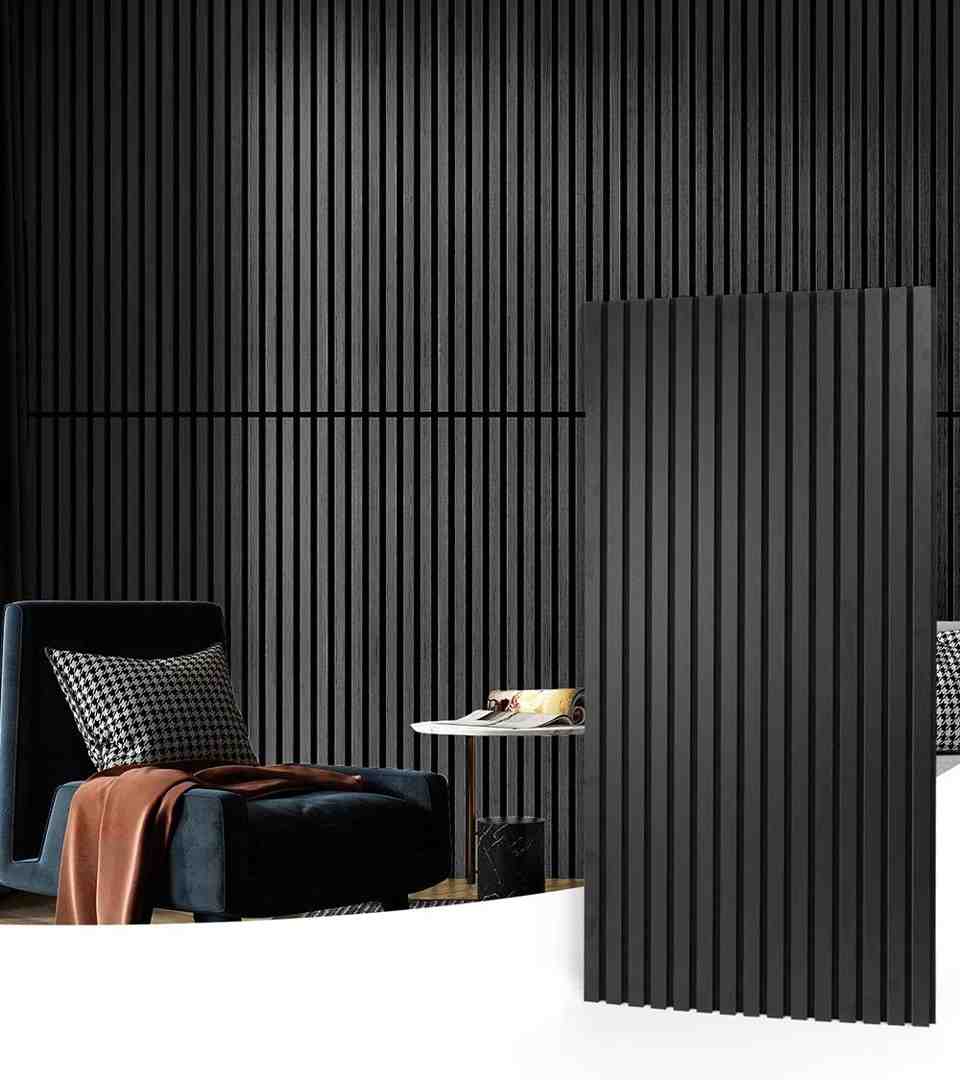
If you've ever struggled with conversations in a noisy restaurant or noticed how voices echo in your open-plan living area, you've experienced poor room acoustics. Modern Australian homes, with their beautiful hard surfaces like polished concrete, glass, and timber floors, often reflect sound rather than absorb it. This creates an uncomfortable environment where every footstep and conversation seems amplified.
Acoustic panels for soundproofing offer a practical solution. These are porous materials designed to absorb sound waves, reducing echo and reverberation to improve the sound quality within a room. It's essential to note that they are not intended for "soundproofing" in the sense of blocking noise from entering or leaving a space. Their primary function is to create a more pleasant and intelligible acoustic atmosphere.
The modern generation of slatted wood acoustic panels, like those in Clads Australia's acoustic panel collection, combines high-performance sound absorption with striking architectural aesthetics. You no longer have to choose between function and style. These panels transform echo-filled rooms into comfortable, functional environments that look as good as they sound.
To better understand what is happening in your space, it helps to visualise how sound behaves on different surfaces and why absorption is so effective.
The Science Behind Acoustic Panels for Soundproofing
Understanding how sound behaves is the first step to creating a better acoustic environment. People often use "soundproofing" and "sound absorption" interchangeably, but they are very different.
Sound Absorption vs. Soundproofing: A Critical Distinction
When acoustic panels for soundproofing, they primarily provide sound absorption.
- Sound absorption reduces sound reflections within a room. Think of shouting in an empty hall—the sound bounces off hard surfaces, creating an echo. Acoustic panels absorb these reflections, which reduces reverberation, lowers overall noise levels, and improves speech clarity. They are perfect for making a room more comfortable and acoustically pleasant.
- Soundproofing is about sound blocking. Its goal is to stop sound from transferring between spaces, like keeping street noise out of a bedroom. This usually requires heavy, dense materials to create a barrier and careful attention to gaps, flanking paths, and construction details. While some specialised panels incorporate dense layers, the primary function of most acoustic panels remains absorption.
For a deeper dive into blocking sound transfer, see our guide on SoundBoard Wall Panels: The Ultimate Buying Guide for Soundproofing. You can also watch practical installation demonstrations on the Clads Australia YouTube channel to see how these principles apply in real-world applications.
How Acoustic Panels Absorb Sound Waves
When sound waves hit a hard surface like a plasterboard wall, they reflect. Acoustic panels are made from porous materials that interrupt this process. Instead of bouncing back, sound waves penetrate the panel, where friction converts the sound energy into a tiny amount of heat. This dissipates the wave's energy, preventing it from reflecting back into the room.
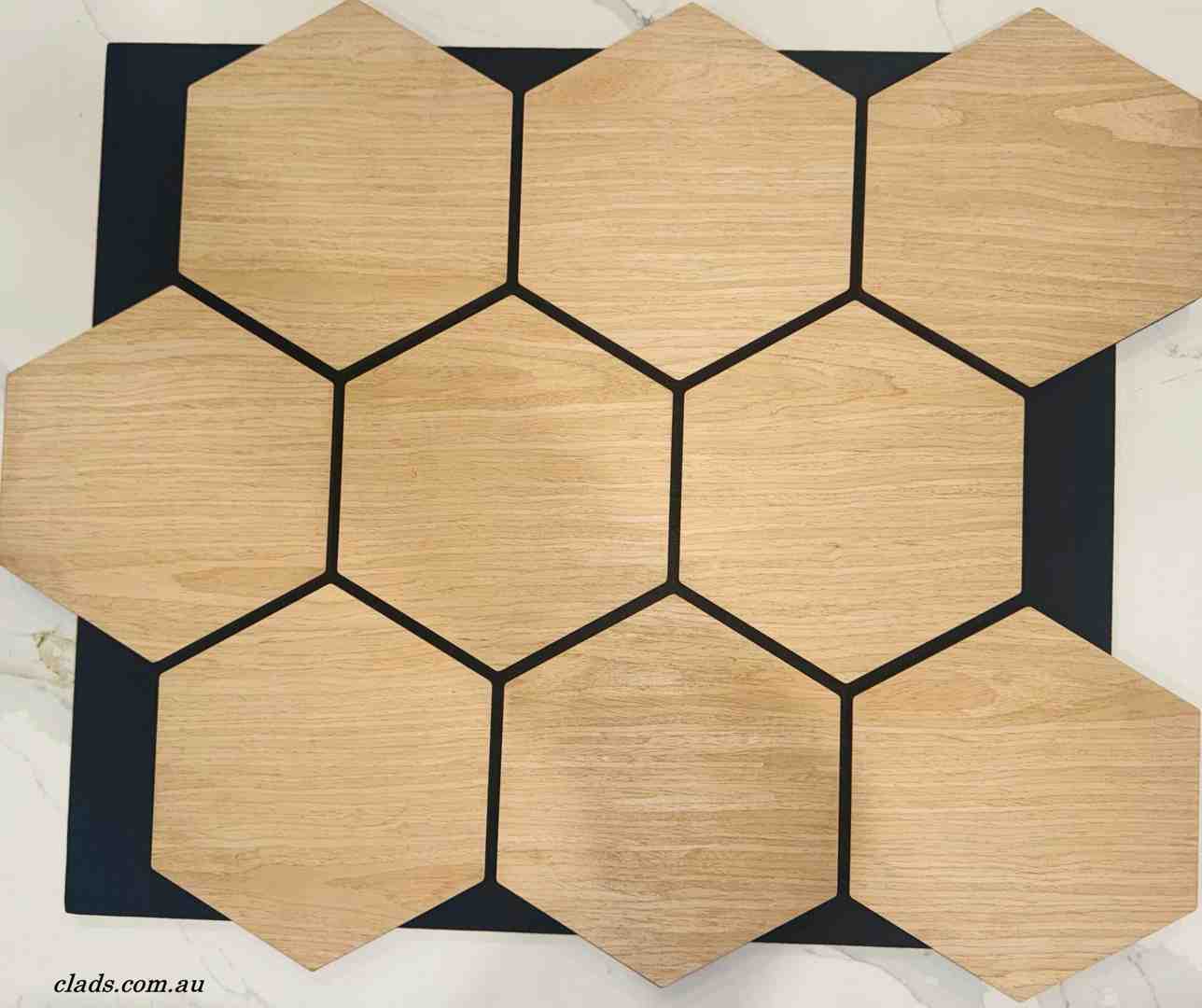
Our slatted wood acoustic panels are a perfect example. They consist of:
- A porous felt backing: This is the core of the panel's absorption capability. It's typically made from high-density polyester fibre, often using recycled materials, which has an open structure that effectively "traps" sound waves.
- A slatted wood facing: The stylish wood slats are acoustically transparent, meaning they allow sound to pass through to the absorbent felt backing.
- An air gap (optional): Installing panels with a small air gap behind them can further improve their ability to absorb lower frequencies.
Key Performance Metrics: Understanding NRC and Thickness
When choosing panels, two metrics are key:
Noise Reduction Coefficient (NRC): This is the most important rating for sound absorption. It's a single number from 0 to 1 (or slightly above). An NRC of 0 means no sound is absorbed, while an NRC of 1 means 100% of sound is absorbed. A higher NRC indicates better performance.
Panel Thickness: Thickness plays a crucial role, especially with different sound frequencies.
- General Absorption: Thicker panels generally absorb more sound across a broader range of frequencies.
- Low-Frequency Absorption: Low-frequency sounds (like bass from music) have long wavelengths and are harder to absorb. Thicker panels are significantly more effective at capturing these stubborn low frequencies. If you're dealing with a bass-heavy home theatre, opting for thicker panels is a wise choice.
Considering both NRC and thickness ensures you choose the right product for your space's specific acoustic challenges, much like selecting the right timber for durability and aesthetics as explored in An Essential Guide to Timber Indoor Cladding.
Practical Application: A Step-by-Step Implementation Guide
Once you understand the science, the next step is applying it. Strategic placement and proper installation are key to maximising the effectiveness of your acoustic panels for soundproofing.
Where to Place Acoustic Panels for Maximum Impact
The optimal placement of acoustic panels depends on the room's purpose and layout. The goal is to target the most problematic reflective surfaces.
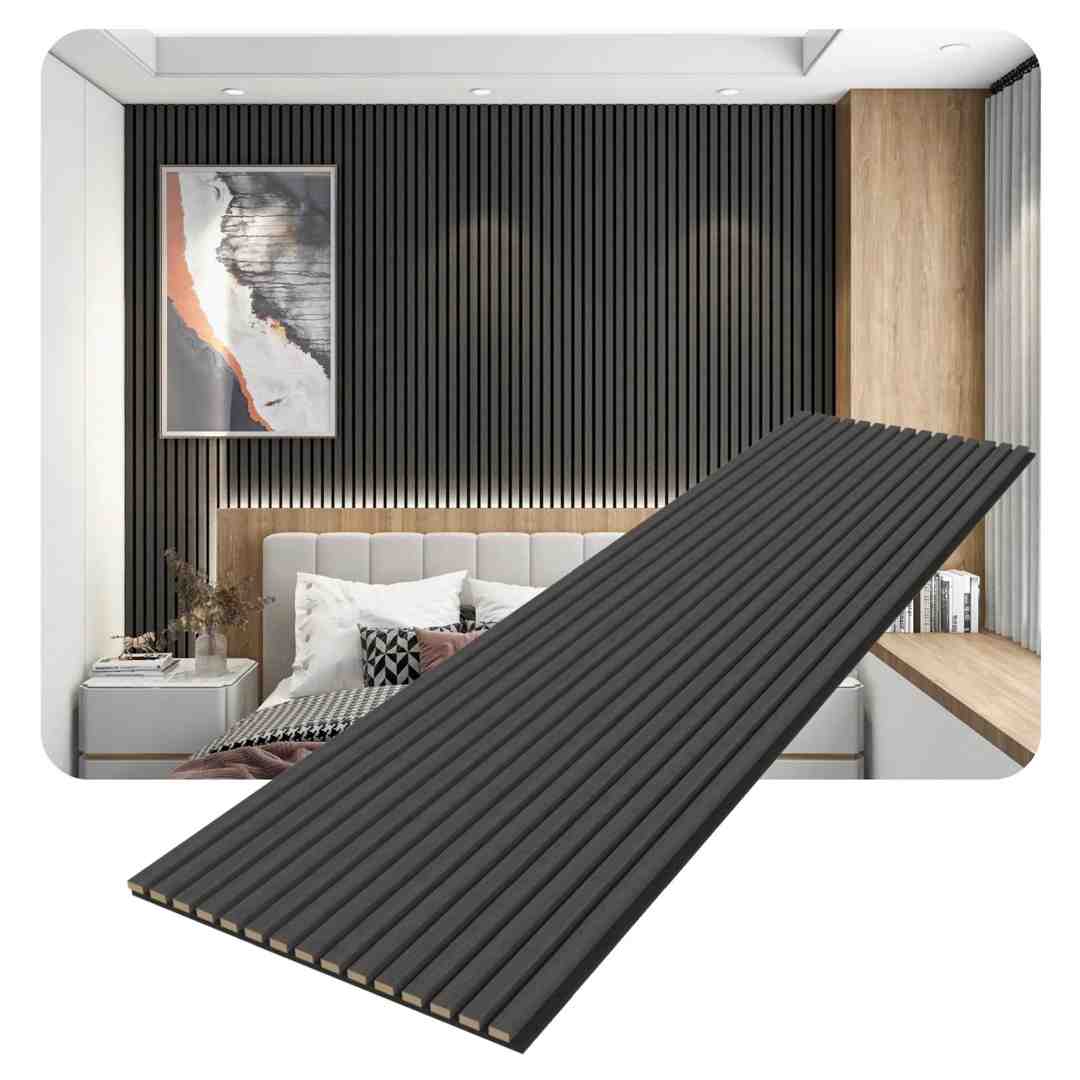
Here are some guidelines:
- First Reflection Points: In any listening environment (home theatre, living room), start by treating the points on walls and ceilings where sound from your speakers would first bounce before reaching your ears. This dramatically improves audio clarity.
- Home Offices: Distribute panels on walls facing the user or between desks to reduce chatter and ambient noise, improving focus.
- Bedrooms: Place panels on the wall shared with a noisy area or near windows to help absorb external sounds like traffic, creating a more peaceful environment.
- Home Theatres: Treat first reflection points, the back wall, and corners to control reflections and bass buildup for a cinematic audio experience.
- Large & Open-Plan Spaces: In areas like conference rooms, restaurants, or open-plan living areas, space panels evenly along walls and the ceiling to ensure a comfortable acoustic environment for everyone. They can also be used as feature walls to define quieter zones.
- Ceilings: Don't forget the ceiling! As a large, flat surface, treating it with acoustic panels can have a profound impact, especially in rooms with high ceilings. For more on ceiling solutions, see Give Your Ceiling a Glow Up: Fitting Internal Cladding Made Easy.
A DIY Guide to Installing acoustic panels for soundproofing
Installing our slatted wood acoustic panels is a straightforward DIY project. Here are the common methods:
-
Construction Adhesive (Permanent):
- Apply a strong grab adhesive to the back of the panel's felt backing.
- Press the panel firmly against a clean, dry wall. This method offers a clean, permanent finish with no visible fasteners.
-
Screws Through Felt Backing (Removable):
- Drive screws (preferably black to match the felt) through the felt backing directly into wall studs or appropriate wall anchors.
- This provides a secure hold and allows for easier removal later with minimal wall repair needed.
Required Tools for DIY Installation:
- Measuring tape and pencil
- Level
- Utility knife
- Caulking gun (for adhesive)
- Drill and appropriate screws/anchors
- Stud finder
Tips for Success: Measure twice, clean your surfaces, and plan your layout with masking tape before you begin. This DIY-friendly approach is a hallmark of many Clads Australia products, as seen in our Clad It Up: Mastering Internal WPC Panel Installation guide.
Choosing the Right Style of acoustic panels for soundproofing
While function is key, the visual impact of acoustic panels for soundproofing is equally important. Today's panels are design elements in their own right.
- Aesthetics and Function: Modern slatted wood designs are crafted to be both high-performing and visually stunning. They can serve as a feature wall, adding texture, warmth, and sophistication while solving acoustic issues.
- Materials and Finishes: Our slatted wood panels combine the natural beauty of wood veneer with a dark felt backing for a stylish, contemporary look. They are available in various wood tones, from light oaks to rich walnuts, allowing them to blend in or stand out as a focal point.
- Colour and Texture: The linear texture of slatted panels adds depth and character to a wall. Consider how the colour and finish will harmonise with your existing interior design and lighting.
Choosing the right style means finding the perfect balance where the panels not only absorb sound but also improve the beauty of your space. Explore our Internal Acoustic Panels to see the range of stylish and effective options we offer, and find complementary ideas in our guide to Transform Your Space: Everything You Need to Know About WPC Wall Panels.
The Right Investment for Your Space?
Acoustic panels are a powerful tool for acoustic treatment, excelling at sound absorption to dramatically improve the sound quality and comfort of a room. While they don't provide true soundproofing in the sense of blocking all noise transfer, their ability to eliminate echo and reduce reverberation creates a significantly quieter and more pleasant environment. By turning hard, reflective surfaces into absorptive ones, they are a crucial component of any comprehensive sound management strategy.
The modern evolution of these panels, particularly the design-led slatted wood styles, means you no longer have to choose between performance and aesthetics. These products serve a dual purpose, acting as a stunning architectural feature while creating a serene acoustic atmosphere. For architects, designers, and homeowners looking to improve a space's functionality and style, acoustic panels are a smart and effective investment. Clads Australia offers a curated range of high-quality, low-maintenance acoustic panels designed to deliver both impact and longevity.
Ready to transform the sound and style of your space? Contact the experts at Clads Australia today to discuss your project, or order a free sample to experience the quality firsthand.