



Why Waterproof Exterior Wall Panels Matter for Australian Homes in 2026

The best waterproof exterior wall panels for Australian conditions combine moisture resistance, UV stability, and long-term durability without the ongoing maintenance burden of traditional timber.
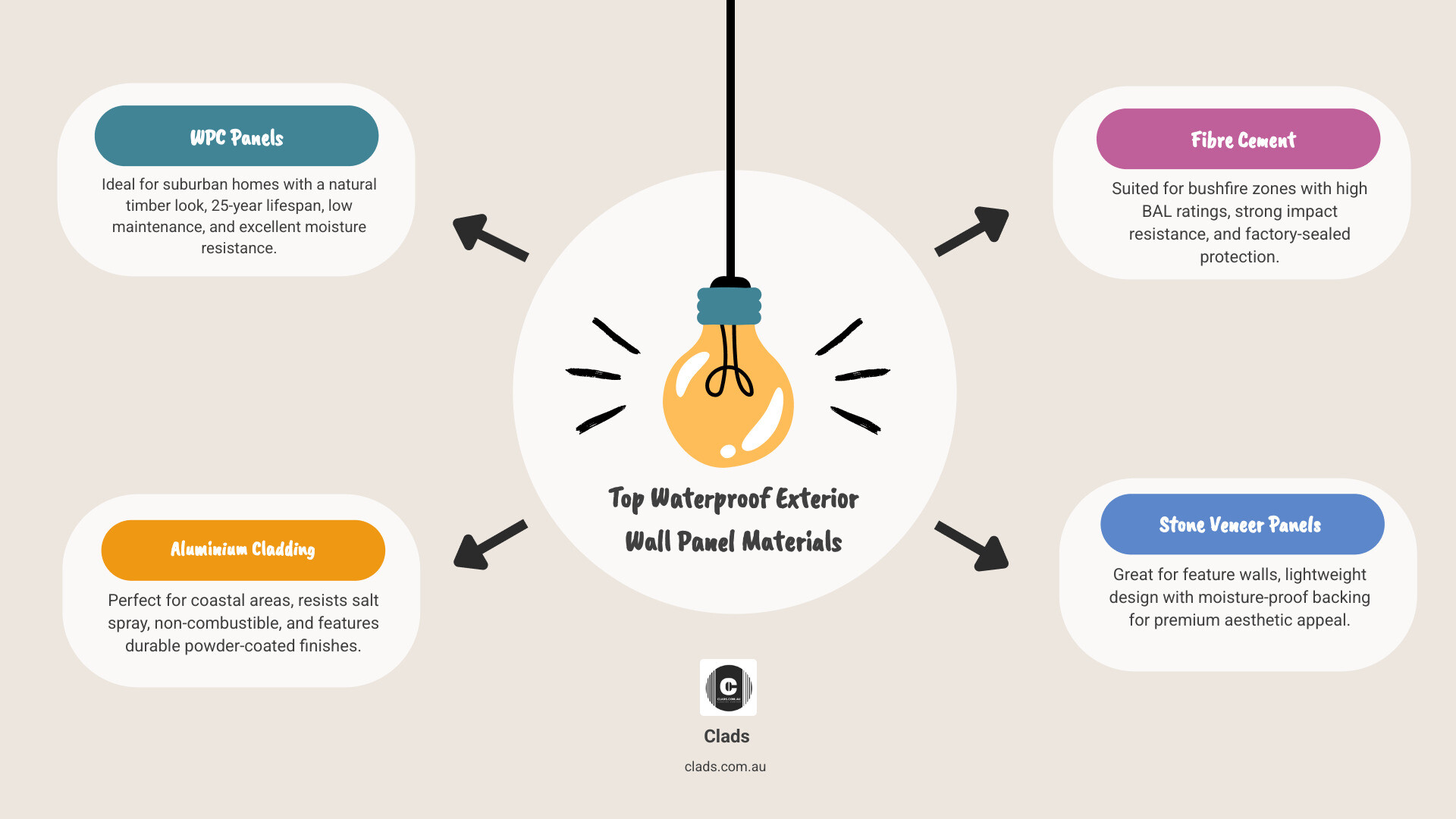
Top waterproof exterior wall panel materials at a glance:
- WPC (Wood Plastic Composite): Best for suburban homes, timber look, 25-year lifespan, low maintenance
- Aluminium Cladding: Best for coastal and commercial applications, salt spray resistant, non-combustible
- Fibre Cement: Best for bushfire zones, BAL-rated, impact resistant, factory sealed
- Stone Veneer Panels: Best for feature walls and premium facades, lightweight, moisture-proof backing
Australia's climate is genuinely tough on buildings. Intense UV exposure, heavy seasonal rainfall, coastal salt air, and wide temperature swings all work against traditional exterior materials like timber and render.
Timber rots. Render cracks. Both need constant upkeep that costs time and money year after year.
Waterproof exterior wall panels solve this problem by acting as a protective barrier between your building structure and the elements. Whether you're renovating a suburban home, upgrading a coastal property, or improving an investment build, the right cladding system can protect your walls for decades with minimal maintenance.
At Clads Australia, we supply premium WPC, aluminium, stone, and fibre cement cladding systems suited specifically to Australian conditions, with products available through depots nationally.
I'm Lawrismin Gomez, Sales Manager at Clads Australia, and with over 20 years of sales experience and more than 3 years specialising in the cladding industry, I've helped hundreds of Australian homeowners and builders find the best waterproof exterior wall panels for their specific climate, budget, and design goals. In this guide, I'll walk you through everything you need to make a confident, informed decision.
What Are Waterproof Exterior Wall Panels?
In the simplest terms, waterproof exterior wall panels are engineered sheathing systems designed to shield a building's structure from water ingress. Unlike traditional materials that may absorb moisture over time, these panels are manufactured from non-porous or treated materials that repel rain and humidity.
A critical component of modern external wall cladding panels is the "rainscreen" principle. Rather than just being a flat sheet slapped onto a wall, these systems are typically installed over a series of battens. This creates a ventilated cavity between the panel and the building's structural wall. If any moisture does manage to get behind the panel, the airflow in this gap allows it to drain away or evaporate, preventing the rot and mould that often plague older Australian homes.
These panels serve as the ultimate sheathing option because they are durable, aesthetically versatile, and can even be used to cover old stone boundary walls or mismatched facades during a renovation. By choosing moisture-resistant cladding systems, you ensure your home remains UV stable and structurally sound, even in the humid environments of Brisbane or the rainy winters of Melbourne.
Best Waterproof Exterior Wall Panel Materials in Australia
Choosing the right material is the most important step in your renovation or build. In 2026, the market has shifted toward high-performance composites and metals that offer a better return on investment than traditional timber.
| Feature | WPC (Composite) | Aluminium | Fibre Cement |
|---|---|---|---|
| Water Resistance | Excellent (Co-extruded) | Superior (Non-porous) | High (When sealed) |
| Maintenance | Very Low (Wipe clean) | Very Low (Rinse) | Moderate (Check seals) |
| Lifespan | 25+ Years | 40+ Years | 30+ Years |
| Best Use Case | Suburban / Residential | Coastal / Commercial | Bushfire Zones |
| DIY Friendly | High (Tongue & Groove) | Moderate | Low (Heavy/Dusty) |
WPC (Wood Plastic Composite) Panels: The Best Waterproof Exterior Wall Panels for Suburbs
For most Australian homeowners, WPC cladding is the gold standard for residential upgrades. These panels are made from a blend of recycled wood fibres and HDPE (High-Density Polyethylene), which is a durable, non-biodegradable plastic.
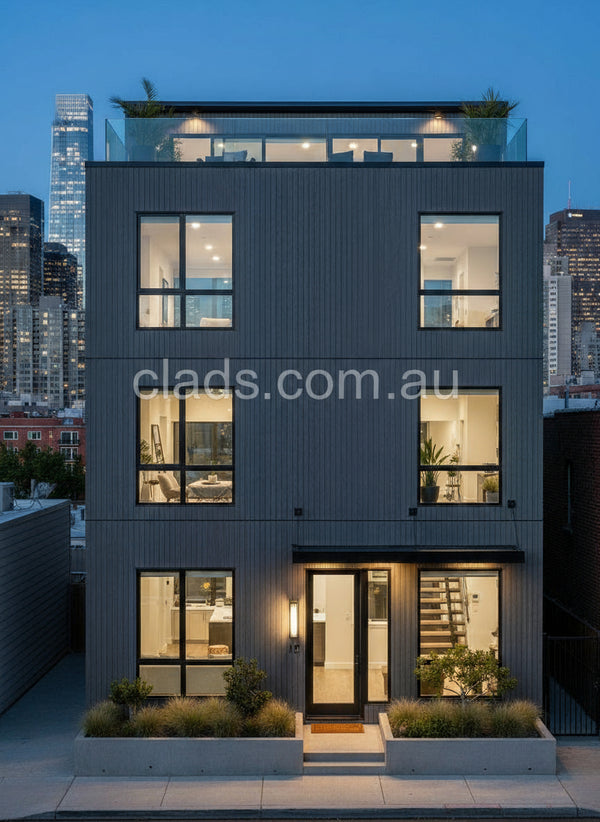
The secret to their waterproofing lies in "co-extrusion" technology. This process wraps the composite core in a hard, protective polymer "cap" on all sides. This shield prevents water absorption, staining, and fading. Modern WPC panels, such as those discussed in our guide to exterior design options, use 95% recycled materials, making them an eco-friendly choice that lasts up to 25 years without ever needing a paintbrush.
Aluminium Cladding Panels
If you live in a coastal area like the Gold Coast, Sydney's Northern Beaches, or Geelong, salt spray is your biggest enemy. Aluminium wall cladding is the answer. Aluminium is naturally resistant to corrosion and does not rust.
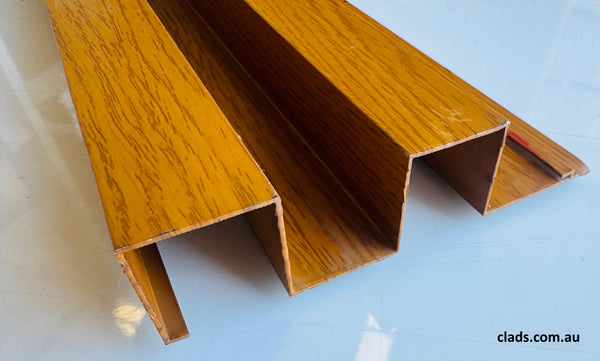
Our aluminium systems feature high-quality powder-coated finishes that mimic timber or offer sleek metallic looks. Beyond being waterproof, aluminium is non-combustible, making it a preferred choice for high-rise commercial buildings and modern architectural homes where fire safety is a top priority.
Fibre Cement Cladding
Fibre cement remains a staple in the Australian building industry, particularly in areas prone to extreme weather or bushfires. It is made from a mix of cement, sand, and cellulose fibres. When factory-sealed, it offers excellent impact resistance and moisture protection.
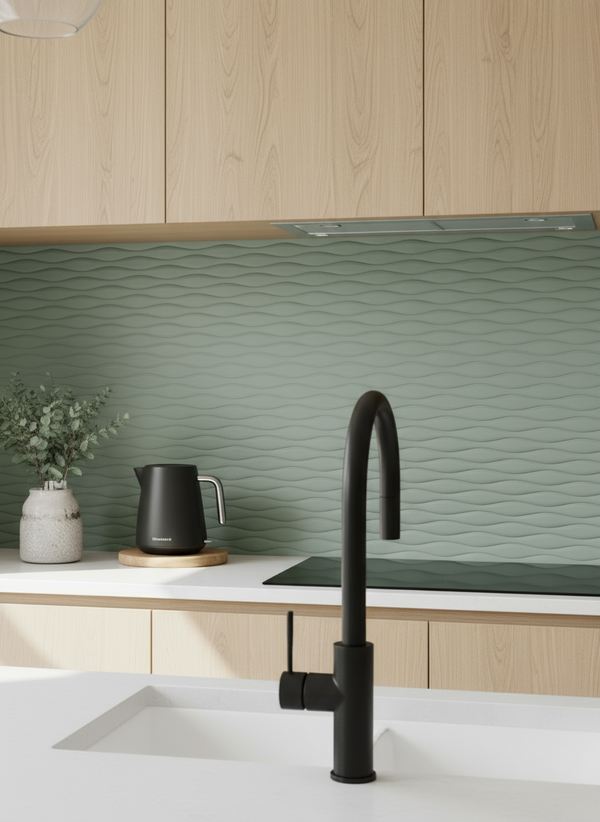
For those in rural or fringe suburban areas, fibre cement cladding provides the necessary BAL (Bushfire Attack Level) ratings required by local councils while maintaining a clean, modern aesthetic.
Stone Veneer Panels
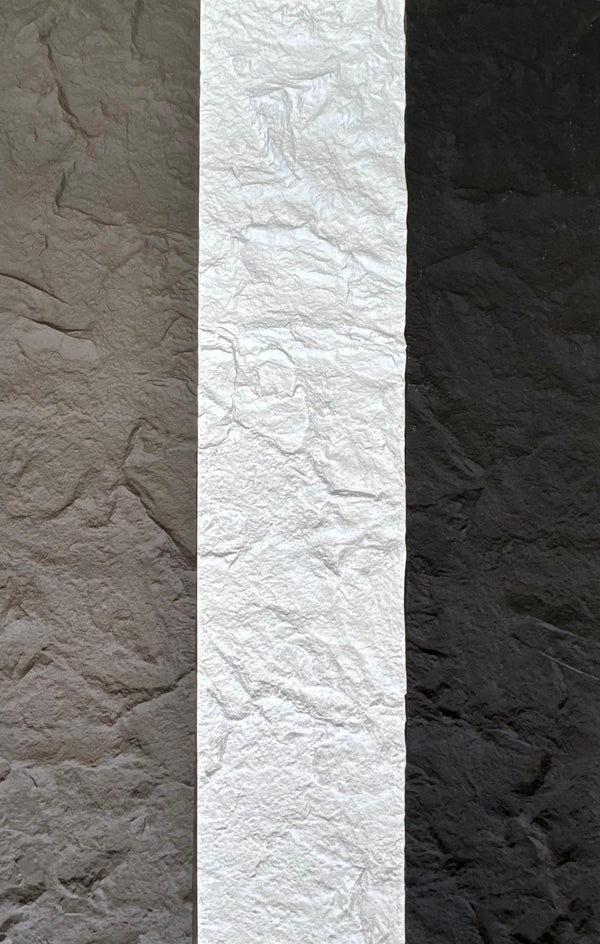
For a touch of luxury, stone veneer panels offer the rugged look of natural stone without the immense weight or cost. These are often made from a composite of real stone and moisture-proof resins. They are ideal for creating feature walls on facades or boundary walls, providing a waterproof finish that won't degrade like traditional mortar and natural porous stone might.
Which Waterproof Cladding Is Best for Australian Conditions?
The "best" panel depends entirely on where your property is located. We recommend a scenario-based approach as outlined in our External Cladding Guide 2026:
- Coastal Homes (Sydney, Gold Coast, Perth): Aluminium is the winner here. The salt air can eventually degrade the finish on other materials, but powder-coated aluminium stands up to the spray better than anything else.
- Suburban Residential (Melbourne, Brisbane, Adelaide): WPC is our top recommendation. It provides the warmth of timber that homeowners love but handles the humidity and rainfall of the suburbs perfectly. It's also the most DIY-friendly for weekend renovators.
- Bushfire Zones (Regional Victoria, NSW, QLD): Fibre cement or non-combustible aluminium are essential. Always check your local BAL rating before purchasing.
- High-Humidity Regions: Co-extruded WPC or PVC-based panels are excellent here because they do not support the growth of mould or mildew, which can be a major issue in tropical climates.
Key Benefits of the Best Waterproof Exterior Wall Panels
Investing in high-quality panels is about more than just looks; it’s about choosing durable exterior cladding that protects your biggest asset.
- Zero Rot and Moisture Protection: Unlike wood, which can swell and rot when exposed to the elements, waterproof panels remain dimensionally stable. This prevents structural damage to the frame of your home.
- Thermal Insulation: Many cladding systems act as an extra layer of insulation. When combined with a rainscreen gap, they help keep your home cooler in summer and warmer in winter, reducing energy bills.
- Acoustic Improvement: The density of composite and fibre cement panels helps dampen exterior noise, which is a huge benefit for homes on busy roads in Sydney or Melbourne CBD.
- Sustainability: Our WPC range utilizes 95% recycled content, diverting millions of pounds of plastic (HDPE) from landfills every year.
- Low Maintenance: Forget the three-year cycle of sanding and oiling timber. These panels generally only require a quick wash with soapy water once or twice a year.
Installation Guide for DIY Friendly Cladding Systems
One of the reasons we focus on WPC and aluminium is that they are designed for easy installation. Most modern systems use a tongue-and-groove design that allows the panels to slot together seamlessly.
Step-by-Step Best Practices:
- Prepare the Substrate: Ensure your wall is clean and flat. If you are installing over existing cladding, you must still use a batten system.
- Install Battens: Fix timber or aluminium battens to the wall. We recommend a 10-25mm drainage gap to allow for proper ventilation.
- Ventilation is Key: Never seal the top or bottom of the cladding cavity completely. Air must be able to circulate to prevent moisture buildup.
- Allow for Expansion: Australia gets hot. Materials like WPC will expand and contract. Follow the manufacturer's guide—for example, leaving a small gap (approx. 2-4mm) at the ends of an 8-foot board if installing in cold weather.
- Use Stainless Steel Fasteners: To prevent rust streaks and ensure longevity, always use high-quality stainless steel screws or clips.
For a more detailed walkthrough, check our guide on how to install WPC cladding.
Common Installation Mistakes to Avoid
- No Ventilation Gap: Fixing panels directly to a flat wall without battens is the fastest way to trap moisture and cause rot.
- Incorrect Sealing: While the panels are waterproof, the junctions around windows and doors need high-quality silicone or flashing to prevent water from getting behind the system.
- Mixing Materials: Don't use fasteners that react with your cladding material (e.g., certain metals can cause galvanic corrosion when in contact with aluminium).
Maintenance Guide for Waterproof Cladding
Maintaining the best waterproof exterior wall panels is significantly easier than looking after traditional materials. The goal is to prevent the buildup of dirt and organic matter that could eventually lead to surface staining.
- Cleaning: Use a soft-bristled brush or a damp cloth with a bucket of warm, soapy water (mild detergent).
- Avoid Harsh Chemicals: Never use bleach, abrasive cleaners, or high-pressure washers at close range, as these can damage the protective co-extrusion layer or powder coating.
- Periodic Checks: Every 12 months, do a quick walk-around. Check that your drainage gaps aren't blocked by leaves or debris and ensure that any sealant around windows is still intact.
Waterproof Exterior Wall Panels vs Traditional Cladding
When we look at the complete guide to wall cladding solutions, the long-term cost benefits of modern panels become clear.
- Timber: Beautiful but high maintenance. Requires oiling or painting every 1-3 years. Prone to termites, rot, and warping.
- Render: Looks modern initially but prone to cracking as the house settles. Waterproofing often fails at the crack lines, leading to "rising damp" issues.
- WPC/Aluminium: Higher initial material cost but pays for itself within 5-7 years by eliminating maintenance costs. They offer a 25-year lifespan compared to timber, which may need replacing much sooner if neglected.
FAQs: Waterproof Exterior Wall Panels Australia
What is the most durable among the best waterproof exterior wall panels?
In terms of pure longevity, aluminium is incredibly durable, often lasting 40+ years. However, for a balance of aesthetics and toughness, composite wall panels with co-extrusion technology are the top choice for homes, offering 25-year warranties and resistance to rot, insects, and moisture.
Are waterproof wall panels suitable for coastal homes?
Yes, but you must choose the right material. Aluminium is the best for direct salt spray environments. If using WPC, ensure it is a high-quality co-extruded product that protects the core from salt absorption. Check out our external facade systems for more coastal-specific options.
Do WPC panels fade in the Australian sun?
All materials will experience some UV impact over decades, but high-quality wood plastic composite cladding includes UV inhibitors. Most premium panels come with a 10-year "no discoloration" guarantee, meaning any fading is minimal (typically less than 5%) and happens evenly, so it isn't noticeable.
Can cladding be installed over existing walls?
Absolutely. One of the best ways to modernize an old brick or fibro home is to install a batten system directly over the old wall and then fix the new panels. This avoids the cost and mess of demolition.
Why Choose Clads Australia for Exterior Wall Cladding?
At Clads Australia, we aren't just suppliers; we are builders and renovators with over 18 years of on-site experience in Melbourne and across Victoria. We founded this business because we were tired of seeing homeowners struggle with high-maintenance materials that didn't suit our climate.
We offer:
- National Reach: With over 150 depot locations, including Sydney, Brisbane, Adelaide, and Perth, you can pick up your order locally and save on shipping.
- Specialized Expertise: We focus on WPC and aluminium systems that are proven to be the best waterproof exterior wall panels for the Australian market.
- DIY Support: Our systems are designed to be "install-friendly," and we provide the technical guides to help you get the job done right.
Whether you're in the Western Suburbs of Sydney or the Mornington Peninsula, our complete guide to external cladding and local support make the process seamless.
Choosing the Right Waterproof Cladding
Choosing the best waterproof exterior wall panels is an investment in your home’s future. In 2026, there is no reason to settle for materials that rot, crack, or require annual painting. By selecting a high-quality WPC, aluminium, or fibre cement system, you are choosing a "set and forget" solution that enhances your home’s value and aesthetic.
Remember to prioritize the rainscreen installation method, choose a material suited to your specific geography (coastal vs. inland), and always use stainless steel fasteners.
If you're ready to see the quality for yourself, contact Clads Australia for samples. We’re here to help you build something that lasts.