



Why Exterior Cladding Specification Matters for Trade, Builders & Developers
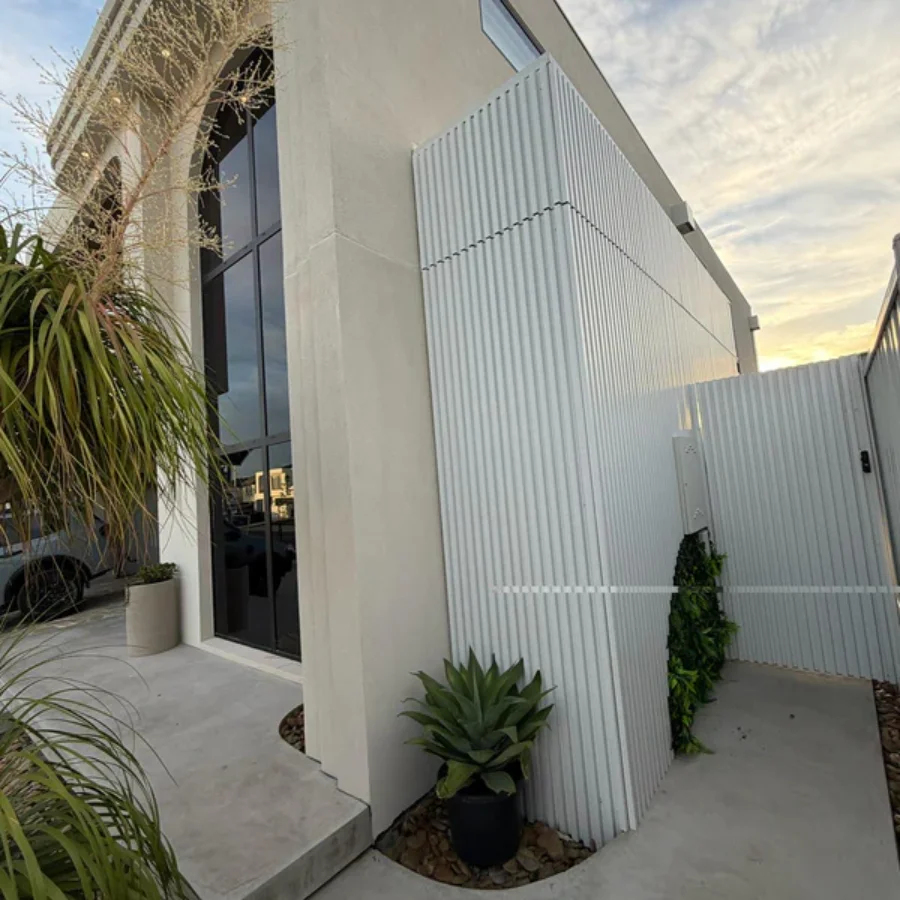
Cladding ideas for exterior walls span a wide range of materials, systems, and installation approaches. Here is a quick reference to the most widely adopted options in Australian multi-residential and commercial builds:
- WPC (Wood Plastic Composite) - Modular, low-maintenance, consistent finish across large facades. Suited to townhouse developments and build-to-rent projects.
- Fibre Cement - Fire-retardant, NCC-compliant, and moisture-resistant. The spec-safe default for multi-storey and bushfire-prone zones.
- Aluminium - Lightweight, non-combustible, and precision-finished. Preferred for commercial and architectural projects.
- Stone & Veneer - Value-adding material for premium lots and high-end residential developments.
- Mixed-Material Facades - Combining two or more systems for tiered developments, entry features, or premium lot differentiation.
Choosing the right exterior cladding system is not just a design decision. For builders, developers, and project architects working at scale, it is a risk management decision.
The wrong specification can mean defect callbacks, compliance failures, and inflated labour costs across an entire development. The right one reduces lifecycle costs, protects your margins, and keeps projects on programme.
Australian construction is operating under increasing compliance pressure. The National Construction Code (NCC) sets clear requirements around fire resistance, moisture management, and structural performance, particularly for Class 2 buildings and above. Getting cladding specification wrong on a multi-residential or commercial project is not just expensive. It can halt a build entirely.
That is where a specification partner like Clads Australia comes in. Rather than simply supplying materials, Clads works with builders, developers, and architects to match the right cladding system to the right project, from townhouse developments to large-scale commercial facades.
This guide covers the most performance-driven cladding ideas for exterior walls in use across Australian projects right now, with a focus on compliance, installation efficiency, and long-term lifecycle cost.
I am James Lawrence, and with over 15 years in Melbourne's construction and building materials sector, I have worked closely with builders and developers on specification decisions involving a wide range of cladding ideas for exterior walls, from WPC systems to aluminium and fibre cement. In the sections below, I will walk you through what actually matters when you are specifying cladding at scale.
Why Exterior Cladding Specification Matters in Large-Scale Builds
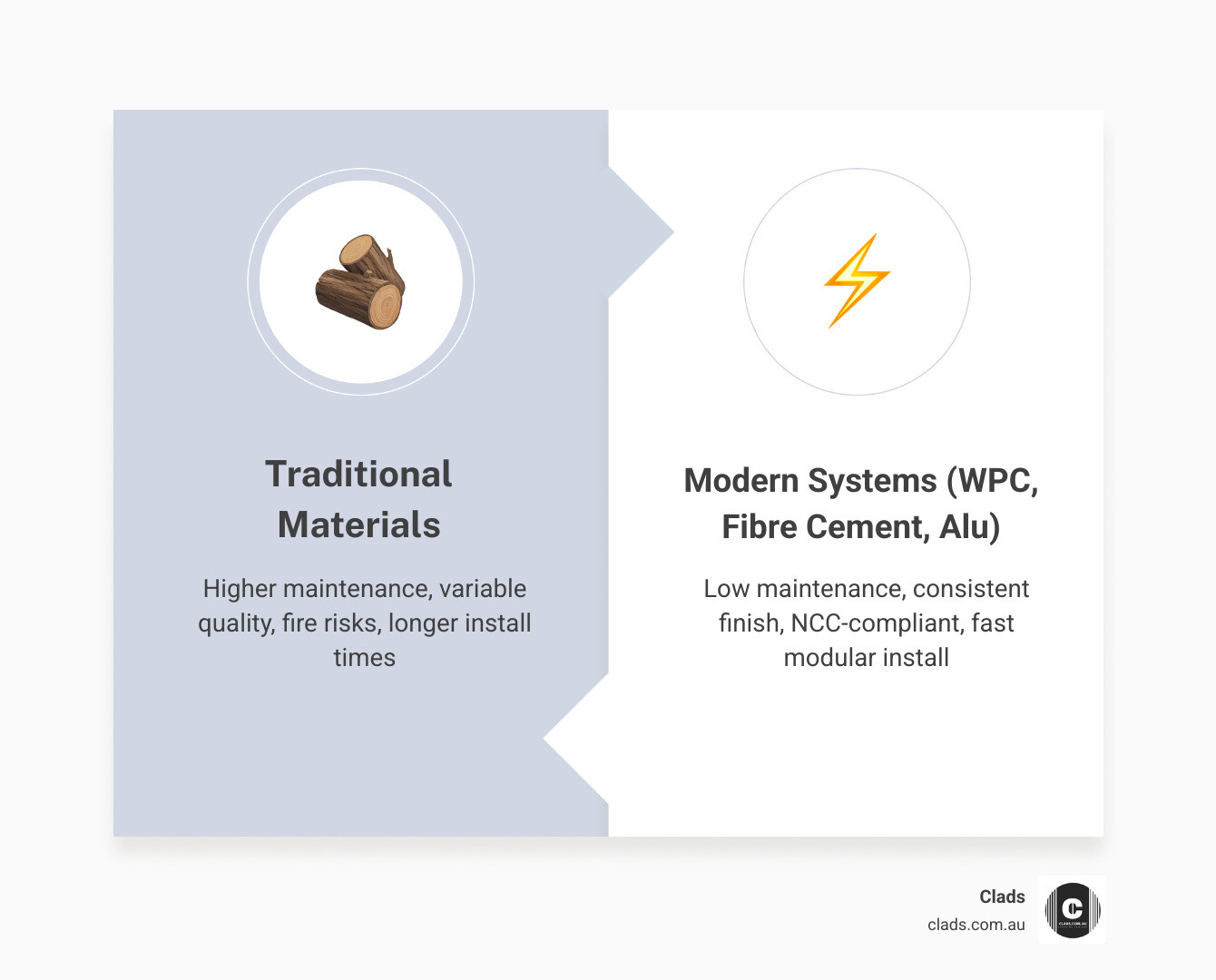
In the context of large-scale developments, specification is about more than just a "look." It is about ensuring the project meets NCC (National Construction Code) alignment and passes rigorous building inspections. Builders today are under significant pressure to meet fire ratings and compliance standards, especially in high-density urban areas like Sydney and Melbourne.
When we talk about cladding ideas for exterior walls, we must prioritise risk mitigation. A failure in moisture management or fire resistance can lead to catastrophic liability. Furthermore, labour efficiency is a major driver of project margins. Choosing a system that is difficult to install or requires multiple specialised trades can blow out a budget.
By viewing cladding as a comprehensive wall cladding solution, developers can focus on lifecycle costs rather than just the upfront material price. A cheaper material that requires painting every five years is often more expensive in the long run than a "set-and-forget" system.
At Clads Australia, we position ourselves as a specification partner to help you navigate these complex external wall cladding requirements.
High-Performance Cladding Ideas for Exterior Walls in Australian Conditions
Australia’s climate is notoriously harsh, ranging from the intense UV of Queensland to the coastal winds of the Mornington Peninsula. Selecting the right cladding ideas for exterior walls requires a deep understanding of how materials react to these conditions.
| Material | Durability | Fire Rating (NCC) | Best Use Case |
|---|---|---|---|
| WPC | 15–25+ Years | Fire-Retardant Options | Townhouses, Multi-Res |
| Fibre Cement | 30+ Years | Non-Combustible | Bushfire Zones, High-Rise |
| Aluminium | 40+ Years | Non-Combustible | Commercial, Coastal |
| Stone Veneer | 50+ Years | Non-Combustible | Premium Facades, Entries |
Builders need to ensure that their chosen external facade systems provide adequate thermal insulation and moisture management. Effective moisture barriers and drainage cavities are essential to prevent structural rot and mold. When you spec a durable exterior cladding, you are investing in the structural integrity of the build.
WPC Cladding Ideas for Exterior Walls in Scalable Builds
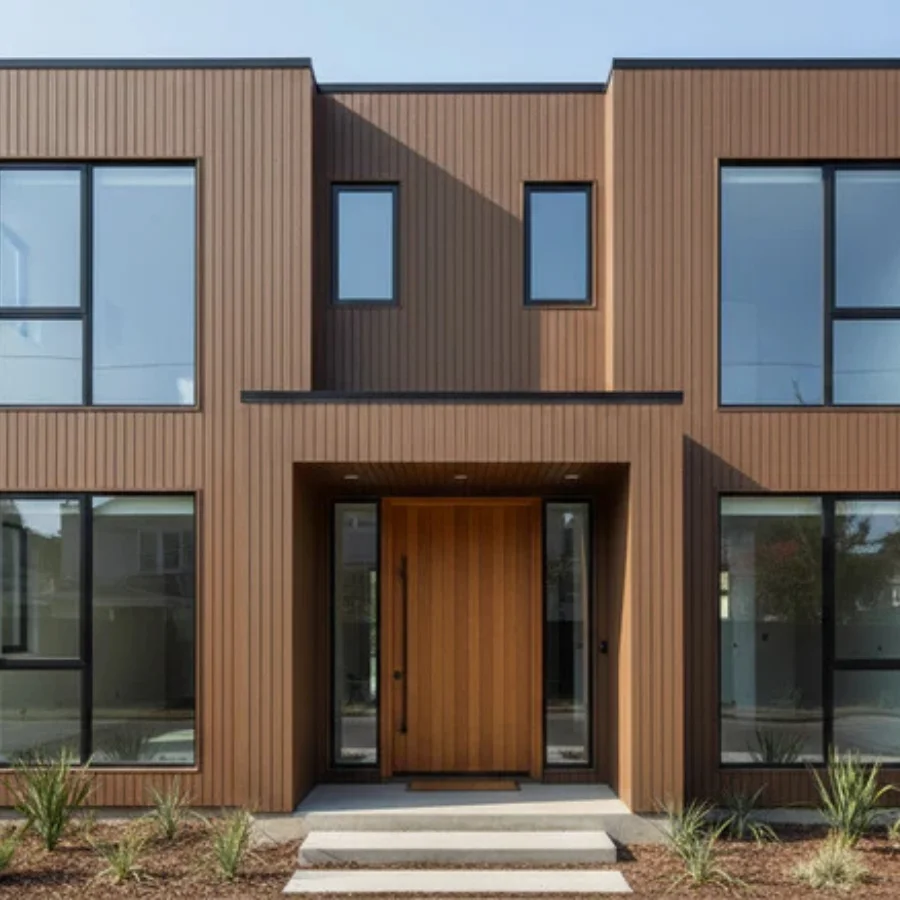
Wood Plastic Composite (WPC) has become a primary choice for scalable builds because it offers the warmth of timber without the maintenance liabilities. WPC is typically composed of recycled wood fibres and High-Density Polyethylene (HDPE), creating a material that resists rot, termites, and fading.
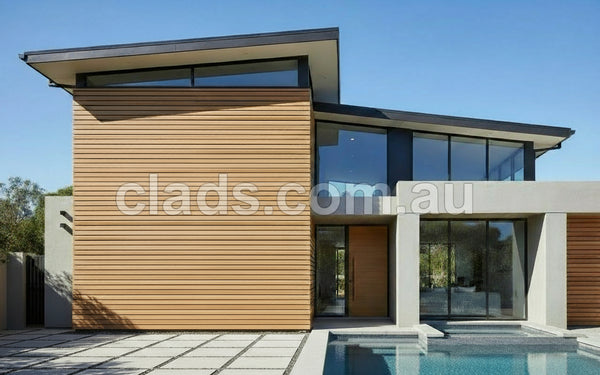
For developers of townhouse projects or build-to-rent communities, WPC offers incredible consistency. Unlike natural timber, which varies in grain and quality, WPC provides a uniform architectural outcome across hundreds of square metres. Our WPC cladding systems are designed with tongue-and-groove profiles for fast installation, significantly reducing on-site labour.
The variety of WPC cladding textures available today allows for sophisticated designs that mimic premium hardwoods. This makes it an ideal "set-and-forget" solution that keeps residents happy and reduces long-term maintenance costs for body corporates.
Fibre Cement Cladding Ideas for Exterior Walls in Compliance-Driven Projects
When fire safety and strict NCC compliance are the top priorities, fibre cement is the go-to material. It is a safe, spec-friendly default for multi-storey builds and projects located in bushfire-prone zones (BAL ratings).
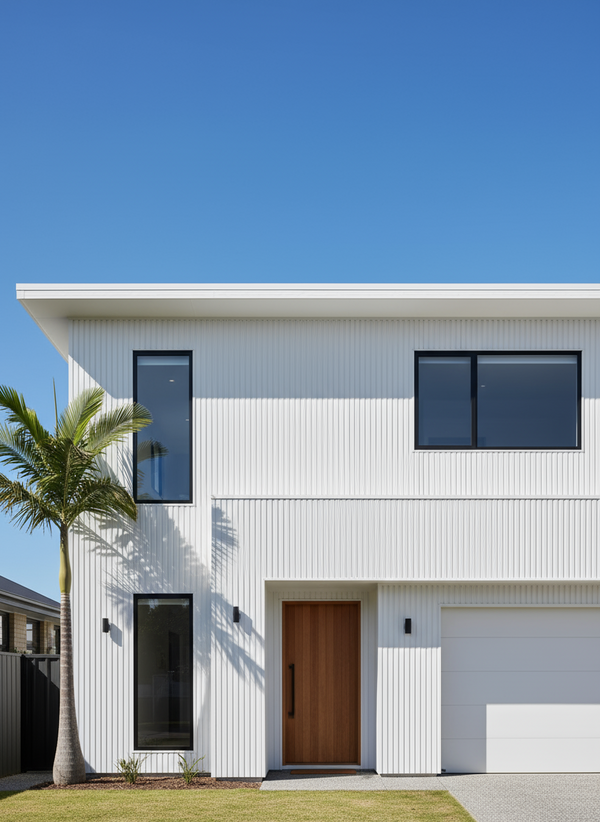
Fibre cement offers a versatile range of cladding options for exterior walls, from traditional lap siding to modern architectural panels. It is highly resistant to moisture and does not rot, making it an excellent choice for coastal environments.
For builders, the ease of sourcing through fibre cement suppliers and the predictable performance of the material make it a reliable component of any compliance-heavy project.
Aluminium Cladding for Commercial & Architectural Finishes
Aluminium is the lightweight powerhouse of the cladding world. Its high strength-to-weight ratio simplifies installation logistics on large-scale commercial sites. More importantly, aluminium offers significant benefits in terms of fire safety, as non-combustible solid aluminium panels are widely accepted for high-rise applications.
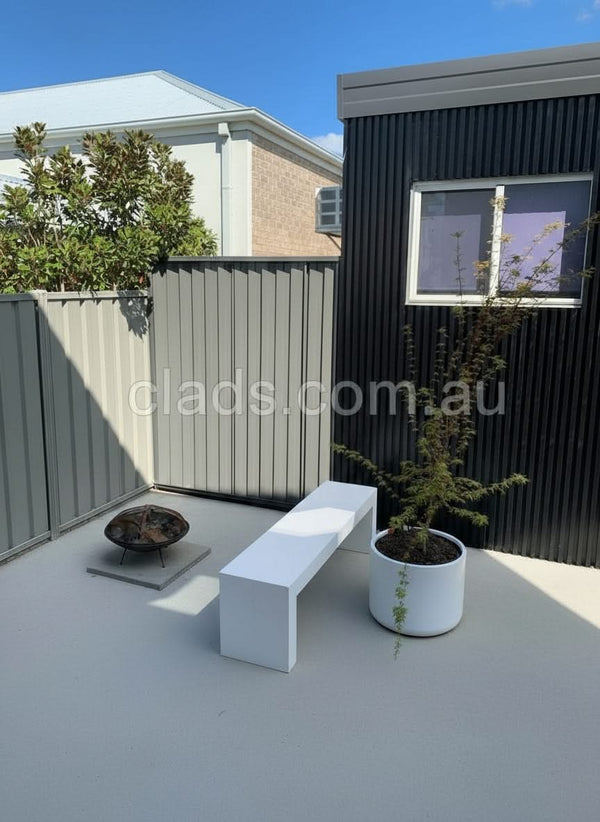
From a design perspective, aluminium provides a clean, precision finish that is difficult to achieve with other materials. It is often used for architectural features, soffits, and commercial facades where a modern, industrial look is required. Its durability in salt-spray environments also makes it a top choice for coastal commercial developments.
Stone & Veneer for Premium Developments
While often seen as a luxury, stone cladding is a strategic value-adding material for premium developments. Using natural stone pieces or high-quality stone veneers on entryways or feature walls can significantly increase the perceived value and resale uplift of a property.
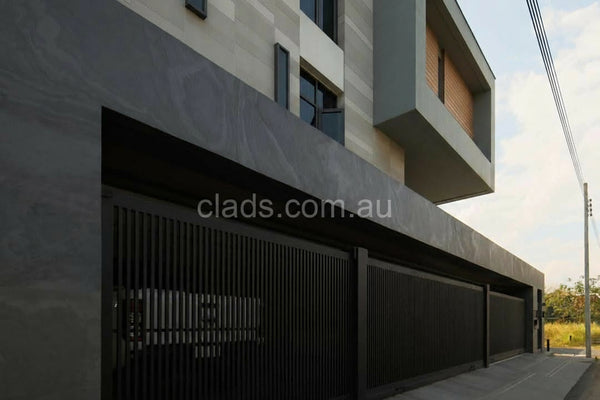
Stone provides an unmatched natural aesthetic and incredible durability. In tiered developments, using stone on the "anchor" lots or shared community spaces creates a sense of permanence and quality. It is a non-combustible material that requires virtually zero maintenance once installed, making it a sound long-term investment for developers.
Installation Efficiency & Labour Cost Considerations
In the current Australian market, labour is often the most expensive line item on a build. This is where the choice of cladding ideas for exterior walls can make or break your margins. Pre-finished, modular systems are winning the market because they reduce the number of trades required on-site.
For example, our WPC installation systems utilise hidden fasteners and interlocking boards, allowing a single carpentry crew to clad a large area quickly. This is far more efficient than traditional timber which may require on-site cutting, sanding, and multiple coats of oil or paint.
Builders should also consult a DIY external cladding handbook or technical guide to understand the mounting requirements. Modular systems that use furring strips and clip systems allow for faster site logistics and fewer errors, leading to better margins per project.
Designing for Scale: Facade Systems That Work Across Developments

When designing for scale, the goal is to create repeatable systems that maintain visual consistency across multiple dwellings. This reduces design complexity and speeds up the documentation process for council approvals.
By utilising proven facade design ideas, architects can ensure a consistent architectural outcome while still allowing for slight variations to differentiate individual units.
Vertical vs Horizontal Systems in Multi-Unit Builds
The orientation of your cladding has a functional impact on the build. Vertical cladding designs are increasingly popular in multi-unit builds because they emphasise height and provide superior drainage performance. Water runs straight down the grooves, reducing the risk of moisture ingress at joints.
Horizontal systems, while traditional, are excellent for stretching the visual width of a building. However, they require careful attention to flashing and moisture runoff. For large developments, choosing a single orientation or a systematic mix allows for ease of replication across different site orientations.
Mixed-Material Facades for Tiered Developments
Strategic use of materials is the hallmark of a high-performing development. You don't need to use premium stone on every square metre. Instead, consider combining different cladding materials to highlight entry points or premium lots.
Pairing a low-maintenance WPC with a feature stone section or a sleek aluminium trim creates texture contrast and visual interest. This "tiered" approach allows developers to manage costs while still delivering a high-end look in the areas where it matters most, such as the front facade or shared community hubs.
Standardised Detailing for Faster Approvals & Builds
One of the biggest bottlenecks in large projects is the detailing of corners, windows, and roof junctions. Using standardised cladding accessories like pre-formed corner trims and flashing details can shave weeks off a construction schedule.
Standardised detailing leads to faster council approvals because the systems are already recognized and tested. It also reduces the risk of installation errors, as the site team isn't trying to "invent" a solution for a complex corner on the fly.
Long-Term Performance: Minimising Maintenance & Callbacks
For a builder, the project doesn't end when the keys are handed over. The liability for defects can last for years. This is why material longevity and warranty considerations are paramount.
By selecting high-performance external facade systems, you minimise the risk of client complaints regarding warping, fading, or moisture leaks. A strong reputation is built on projects that look as good in ten years as they did on day one. Low-maintenance materials like WPC and aluminium offer a high lifecycle ROI, as they don't require the costly repainting or resealing schedules associated with traditional materials.
Clads Australia’s Trade-Focused Cladding Systems
At Clads Australia, we understand the unique needs of the trade. We are not just a retail supplier; we are Australian cladding specialists geared for bulk ordering and consistent stock availability.
Our trade-focused systems include:
- WPC Systems: Durable, HDPE-based (High Density Polyethylene) composites for a consistent wood look.
- Aluminium Options: Non-combustible architectural finishes for commercial precision.
- Stone Veneer: Easy-to-install natural stone for premium value-add.
- Internal/External Ranges: We offer internal acoustic panels and decorative wall systems to provide a complete project solution.
We offer national distribution through over 150 depot locations, ensuring that whether your project is in Sydney, Melbourne, Brisbane, or regional areas like Ballarat or Newcastle, you have access to the materials you need.
FAQs: Exterior Cladding for Builders, Developers & Large Projects
What is the best exterior cladding for multi-residential builds in Australia?
WPC (Wood Plastic Composite) and fibre cement are generally considered the best for multi-residential builds. WPC offers the best balance of aesthetic consistency and low maintenance, while fibre cement is the preferred choice for meeting strict fire compliance and BAL ratings.
Which cladding materials meet NCC fire compliance requirements?
Fibre cement and solid aluminium are the primary non-combustible options that meet NCC requirements for high-rise and multi-storey builds. Some specialised fire-retardant WPC composites may also be used depending on the specific building class and fire engineering report.
What is the lowest maintenance cladding option for large developments?
WPC and aluminium are the lowest maintenance options. They do not require painting, staining, or oiling. This significantly reduces lifecycle costs and the likelihood of callbacks related to material degradation.
Which cladding system is fastest to install on-site?
Modular tongue-and-groove systems, such as our WPC and aluminium ranges, are the fastest to install. These pre-finished panels often use clip systems that eliminate the need for surface-nailing and on-site finishing, allowing for rapid project progression.
Can cladding systems reduce long-term maintenance costs for developers?
Yes. By choosing "set-and-forget" materials, developers can avoid the ongoing costs of scaffolding and repainting large facades. This improves the lifecycle ROI and enhances the developer's reputation for building durable, high-quality projects.
What should builders look for when choosing a cladding supplier in Australia?
Builders should prioritise reliability, stock volume, and technical support. A supplier like Clads Australia offers national distribution, compliance certification, and real-world renovation experience, ensuring you have a partner who understands the pressures of a commercial site.
Build Smarter with Cladding Systems Designed for Scale
Successful large-scale projects are built on efficiency, compliance, and long-term ROI. The cladding ideas for exterior walls you choose today will define the performance of your build for decades to come.
Don't settle for materials that increase your risk or blow out your labour budget. Look for exterior cladding ideas that elevate your build through smart engineering and modular design. At Clads, we are ready to be your project partner, providing the technical support and trade supply you need to build smarter.
Take the next step in your project specification:
- Explore our full range of external cladding systems
- Request trade pricing for your next large-scale project
- Order free samples for your specification board
- Speak with our team about your specific build requirements