



What Is External Wall Cladding and Why It Matters in Australian Homes

External wall cladding is a non-loadbearing skin applied to the outside of a building. Think of it as your home's "best dress" - it provides the primary aesthetic identity while serving as a rugged shield against the elements. In the context of April 2026, where we are seeing increasingly volatile weather patterns across Australia, the functional role of cladding has never been more critical.
For homeowners in Sydney, Melbourne, or Brisbane, cladding serves several vital purposes:
- Weather Barrier: It sheds rainwater and protects the structural frame from moisture ingress, which is the leading cause of rot and mould.
- Thermal Insulation: By adding an extra layer to the building envelope, cladding helps regulate internal temperatures. This reduces the reliance on air conditioning during scorching summers in places like Western Sydney or Perth.
- Curb Appeal and Value: High-quality cladding can instantly modernise an older brick veneer home, significantly increasing property value.
- UV Resistance: Modern materials like WPC and aluminium are engineered to withstand the intense Australian sun without the warping or fading common in traditional timber.
| Topic | Simple Answer |
|---|---|
| What is it? | A non-loadbearing outer layer fixed to a building's exterior walls |
| Main purpose | Weather protection, thermal performance, durability, aesthetic upgrade |
| Popular materials | WPC, aluminium, cement, and stone cladding |
| Maintenance level | Very low for WPC and aluminium, moderate for cement and stone |
| Suitable for Australia? | Yes, options available for coastal, bushfire, and high-UV conditions |
| Typical lifespan | 25 to 50+ years depending on material and installation |
If you are dealing with fading paint, cracking render, rotting timber, or constant repainting cycles, you are not alone. These are the most common frustrations for Australian homeowners, and external cladding is the practical solution that replaces high-maintenance surfaces with durable, modern systems designed to perform for the long term.
The good news is that modern cladding materials have come a long way. Whether you prefer the warmth of a timber-look finish, the sleek lines of aluminium, or the texture of natural stone, there is a cladding system suited to your home, your climate, and your budget.
Choosing the right material is a balance of aesthetics, budget, and local environmental factors. For a deeper dive into how these systems protect your property, check out our External Cladding Houses Complete Guide or explore the nuances of Beyond the Surface Discovering the Best Exterior Wall Cladding.
| Material Type | Durability | Maintenance | Best For |
|---|---|---|---|
| WPC | High (25+ years) | Minimal (No oiling) | Modern residential facades |
| Aluminium | Very High | Low | Coastal & fire-prone areas |
| Fiber Cement | High | Moderate (Painting) | Versatile architectural looks |
| Natural Stone | Very High | Low to Moderate | Luxury feature walls |
Core Functions of External Wall Cladding Systems
Modern external wall cladding is rarely just a board nailed to a wall. It is a sophisticated system designed to manage the physics of a building. One of the most effective methods used today is the ventilated rainscreen system.

Moisture Management
The primary enemy of any building is trapped moisture. A ventilated rainscreen works by allowing a small air gap between the cladding and the waterproof membrane (sarking) on the house frame. This gap allows any moisture that seeps behind the panels to evaporate or drain away, preventing "sick building syndrome" and structural decay. This is particularly important in humid climates like Brisbane or coastal New South Wales where condensation can build up quickly.
Acoustic Damping
Living in busy urban areas like Melbourne CBD or Parramatta means dealing with noise pollution. Cladding systems, particularly those with density like stone or composite panels, act as an acoustic buffer, dampening the sound of traffic and neighbours. By adding mass to the exterior walls, you create a quieter, more peaceful internal environment.
Structural Shielding
While cladding doesn't hold the roof up, it protects the materials that do. By taking the brunt of wind loads and temperature fluctuations, it ensures the internal structure of your home remains stable and dry. This shielding effect extends the life of the building's frame and reduces the risk of structural movement caused by moisture ingress. For more technical insights, you can refer to the External Facade Systems Guide 2026 and review broader industry guidance on wall cladding from Encyclopaedia Britannica.
Clads Australia External Wall Cladding Range
We understand that Australian renovators and builders need products that look amazing but don't require a weekend of maintenance every few months. Our range is curated to provide the best balance of style and "set-and-forget" durability. Whether you are in the humid Sunshine Coast or the four-seasons-in-one-day climate of Geelong, we have a solution.

Our selection is built on 18+ years of real-world renovation experience. We don't just supply panels; we provide systems that we know work in the field. For a comprehensive look at what's available this year, see our External Cladding Guide 2026.
WPC Cladding (Wood Plastic Composite)
WPC cladding is made from recycled wood fibres and HDPE, High-Density Polyethylene. It delivers a timber-like appearance with better resistance to moisture, termites, and everyday maintenance issues than natural timber.
- Termite Resistance: Unlike natural timber, WPC is unappetising to pests.
- No Oiling or Staining: It comes pre-finished. You'll never have to climb a ladder with a paintbrush again.
- Sustainability: Many WPC products utilise recycled materials, making them an eco-friendly choice for modern builds.
- Consistency: You won't find knots, splinters, or warped boards. Every piece is precision-milled for a perfect fit.
Learn more through The Definitive Guide to WPC Cladding or our dedicated page on Wood Plastic Composite Cladding.
Aluminium Cladding
For homes in bushfire-prone regions or harsh coastal environments, aluminium cladding is often one of the most reliable choices.
- Non-Combustible: Aluminium does not burn, making it essential for meeting strict Australian fire safety codes.
- Coastal Salt Resistance: It is naturally resistant to corrosion, unlike many other metals.
- Lightweight Panels: Easier and faster to install, which can reduce labour costs.
- Modern Aesthetics: Offers sharp, clean lines that are perfect for contemporary "industrial" or "minimalist" designs.
For cost breakdowns and more, see An Essential Guide to Aluminium Cladding Benefits and How Much Does Aluminium Cladding Cost.
Cement and Stone Cladding
If you are looking for a more "solid" or organic feel, cement and stone options provide incredible texture.
- Cement cladding: A tough, reliable option for Australian homes, fibre cement sheets handle knocks well and can be finished in a wide range of colours to suit different facade styles. They are popular because they balance durability, design flexibility, and straightforward upkeep.
- Stone cladding: Natural stone veneer gives you the textured, premium look of solid masonry without the same weight or installation complexity. It works especially well on entry walls, columns, and other exterior feature areas where you want strong visual impact.
Internal Cladding Options for Design Consistency
A major trend in 2026 is "seamless transition" - carrying the design language of your exterior into your interior living spaces. We supply a range of internal systems that mirror our external aesthetics, allowing for a cohesive look that flows from the front porch through to the living room.
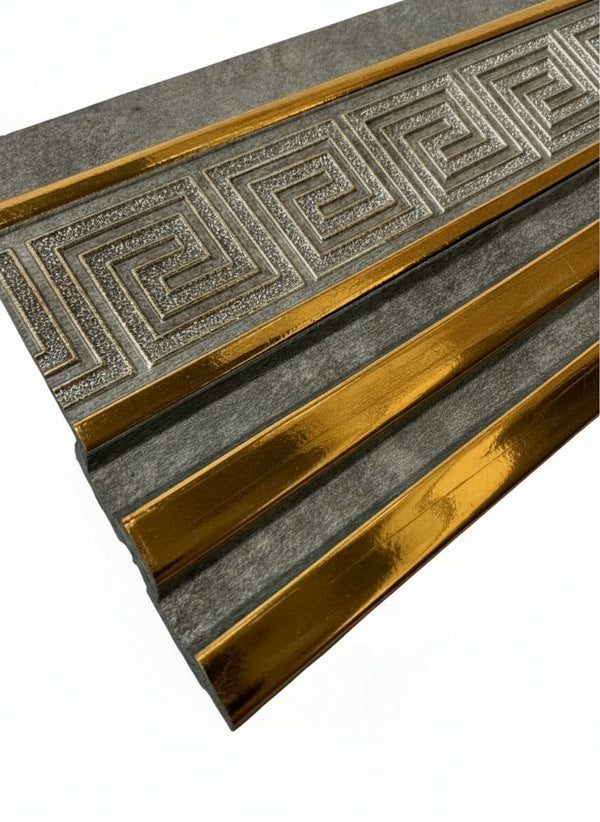
- A+ Cladding: A smart option for internal feature walls when you want a refined, modern finish without the complexity of traditional timber lining. It works well in bedrooms, hallways, and living spaces, and helps create a consistent design language between exterior and interior surfaces.
- Acoustic Wall Panels: Ideal for media rooms, home offices, and open-plan areas where noise control matters. These panels do two jobs at once, they add texture and warmth to a room while also helping reduce echo and soften sound.
- Wet Wall Panelling: Made for bathrooms, laundries, and other high-moisture spaces, these panels offer a waterproof, low-maintenance alternative to tiles. Their smooth, grout-free surface is easier to clean and can help reduce the places where mould tends to build up. They can also be used in kitchen applications such as splashbacks and select countertop surfaces, depending on the product specification and installation requirements.
Using consistent materials creates a sense of flow and makes spaces feel larger. For a full look at these options, visit our Wall Cladding Solutions Complete Guide.
Architectural Trends in External Cladding Design for 2026
Architecture in Australia has moved away from the "flat" look of the early 2000s. Today, it is all about texture, shadow, and depth. Homeowners are increasingly looking for ways to make their properties stand out while maintaining a timeless appeal.
- Vertical Battens: Installing cladding vertically adds perceived height to a home. It's a favourite for modern coastal designs in places like Mornington or the Gold Coast, where the vertical lines mimic the surrounding natural environment.
- Monochrome Palettes: Black, charcoal, and deep greys (like our Silver Grey WPC) are dominating the market, often contrasted with warm wood tones. This high-contrast look provides a sophisticated, modern aesthetic that works well in both urban and rural settings.
- Mixed-Material Facades: Why choose one? Combining stone feature walls with aluminium or WPC sections creates a high-end, custom-designed look. This approach allows you to highlight specific architectural features and add visual interest to the facade.
- Deep Shadow Lines: Profiles that create strong shadows (like castellation cladding) add a 3D effect to the building, changing its appearance as the sun moves throughout the day. These shadow lines add depth and character to even the simplest building shapes.
For more inspiration, check out Modern External Cladding Designs and Facade Design Ideas.
Installation Basics and Best Practices
While we are a supply-only business, our 18+ years in the trade mean we know exactly how a project should be handled for a professional result. Whether you are a DIY enthusiast or hiring a builder in Sydney or Melbourne, these steps are non-negotiable for ensuring the longevity of your cladding system.
- Subframe Systems: Cladding should never be fixed directly to a flat wall. You need timber or metal "furring strips" (battens) to create that essential ventilation gap. This gap is the heart of the rainscreen system, allowing air to circulate and moisture to escape.
- Breathable Sarking: Always use a high-quality, breathable weather-resistant barrier behind your cladding. This keeps the water out while letting the house "breathe," preventing the buildup of condensation within the wall cavity.
- Flashing Details: Proper flashing around windows and doors is where most DIY projects fail. Ensure water is directed away from the openings, not into them. High-quality flashing is essential for maintaining the watertight integrity of your home.
- Expansion Gaps: Materials like WPC and aluminium will expand and contract slightly with temperature changes. Following the manufacturer's spacing guide is crucial to prevent buckling or warping over time.
For a step-by-step walkthrough, see our Transform Your Home The Complete DIY External Cladding Handbook and learn about External Corner Trimming.
Choosing the Right Cladding for Australian Conditions
Australia is a land of extremes, and your external wall cladding needs to be fit for purpose. What works in the temperate climate of Melbourne might not be the best choice for the tropical heat of North Queensland.
- Coastal Homes (Sydney, Gold Coast, Manly): Salt spray is your biggest enemy. Choose aluminium or high-performance WPC. Avoid low-grade steels or softwoods that will rot or corrode quickly in the salty air.
- Bushfire Zones: Check your BAL (Bushfire Attack Level) rating. Aluminium is often the best choice here as it is non-combustible and meets the stringent requirements for high-risk areas.
- Hot Inland Regions (Ipswich, Western Sydney): Light-coloured cladding can reflect heat, helping to keep your home cooler and reducing energy bills. This passive cooling effect is a significant benefit in regions where summer temperatures regularly soar.
- Thermal Regulation: A well-installed cladding system with a ventilation gap can significantly improve your home's R-value, providing an extra layer of insulation that keeps you warm in winter and cool in summer.
Read more on how to choose based on durability in Built to Last Choosing the Best Durable Exterior Cladding for Your Home or see regional specifics like WPC Cladding Adelaide.
Frequently Asked Questions about External Wall Cladding
What is the most durable external wall cladding?
In the Australian market, high-performance polymers and Aluminium are top-tier for longevity. However, high-quality WPC (Wood Plastic Composite) is the most popular "all-rounder," offering a 25-year durability guarantee against rot and decay while maintaining its look with almost zero maintenance.
Can external wall cladding be installed over brick?
Absolutely. This is one of the most common ways to renovate older homes in suburbs like Frankston or Dandenong. You simply install a batten system over the existing brickwork, which allows you to straighten out any wonky walls and provides the necessary air gap for the new cladding. This process can completely transform the look of a traditional brick home.
Does cladding improve energy efficiency?
Yes. By creating a "second skin," cladding reduces thermal bridging (where heat travels through the wall studs). When combined with insulation and a ventilated air gap, it creates a much more stable internal climate, leading to significant energy savings on heating and cooling.
Elevating Your Property with Modern Cladding Solutions
Choosing the right external wall cladding is more than just a cosmetic decision; it is an investment in the longevity and efficiency of your home.
At Clads Australia, we bring over 18 years of hands-on renovation experience to help you navigate the complexities of modern building materials. We have seen how the right facade can transform a dated brick house into a contemporary masterpiece while providing a robust shield against the harsh Australian climate.
Our commitment to quality means we only stock products that meet the highest standards of durability and aesthetic appeal. From the coastal suburbs of Sydney to the growing communities in Adelaide and Perth, we provide the logistical support and expert advice needed to make your project a success.
Explore our extensive range and see how our design-led solutions can enhance your home's kerb appeal and value. Our team is ready to assist you with technical specifications, samples, and installation guidance to ensure a seamless renovation or build process.