



Introduction: More Than Just a Protective Skin

Cladding materials in Australia are experiencing a renaissance beyond traditional timber and brick. As design-led cladding specialists, we see today's Australian homeowners and builders choosing from a wide range of modern, durable, and design-focused solutions that deliver both weather protection and architectural impact. Popular choices include Wood Plastic Composite (WPC) for its low maintenance and natural timber aesthetic; non-combustible Fibre Cement, ideal for bushfire-prone areas; Stone Veneer for a premium, natural look; and lightweight, fire-safe Aluminium for contemporary designs. Beyond these, traditional materials like Brick and Steel remain relevant, while innovative solutions like interior acoustic panels are also gaining traction for their dual function of style and sound management.
When choosing cladding materials in Australia, consider your local climate, bushfire attack level (BAL) rating requirements, maintenance preferences, and desired aesthetic. Modern materials like WPC and aluminium cladding offer superior performance in harsh Australian conditions while requiring minimal upkeep compared to traditional timber.
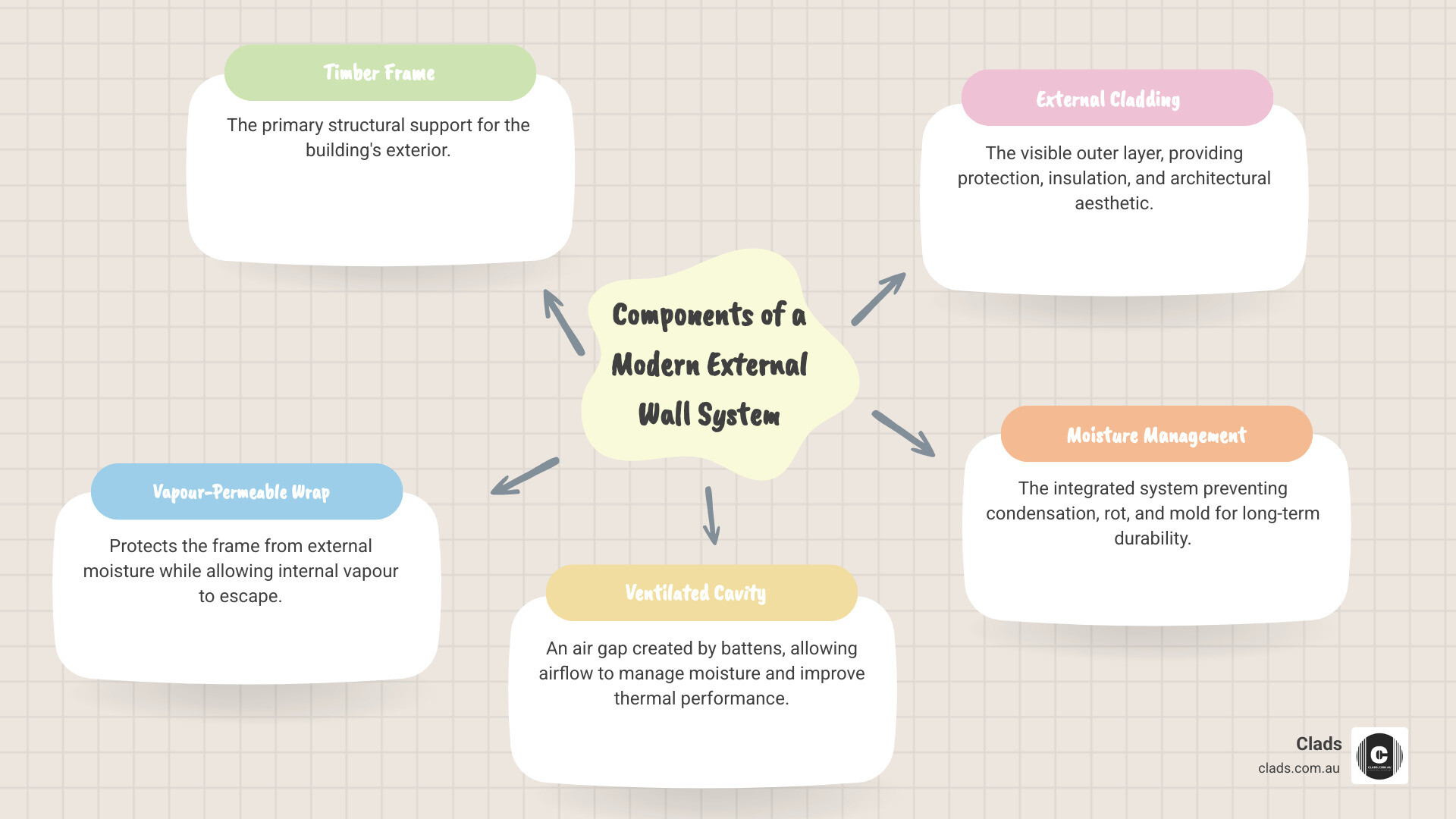
External cladding serves far more than cosmetic purposes. It protects your home's structure from harsh weather conditions, contributes to thermal insulation and energy efficiency, and manages moisture through proper ventilation. The right cladding system, when properly installed with vapour-permeable wraps and ventilated cavities, will prevent condensation, rot, and mould growth while standing up to decades of Australian sun, rain, and coastal conditions.
Whether you're renovating a tired timber-clad home or designing a new build from scratch, understanding the performance characteristics of cladding materials australia is essential. Materials like fibre cement comply with the National Construction Code as non-combustible cladding, making them suitable for bushfire-prone regions. Aluminium cladding offers fire resistance and design flexibility, while WPC delivers the warmth of timber without the maintenance burden.
The Australian cladding market has evolved dramatically from the days when brick veneer and weatherboard were your only real choices. Modern composite materials now offer the best of both worlds, combining natural aesthetics with engineered durability. Around three-quarters of Australian homes are built with timber frames, making the choice of external cladding a critical decision that affects not just appearance but also energy efficiency, fire safety, and long-term maintenance costs.
Selecting the wrong cladding material can mean years of repainting, repairs, and regret. Choose wisely, and your home's exterior will look stunning and perform flawlessly for decades with minimal intervention. The key is matching the right material to your specific project requirements, from coastal salt spray resistance to bushfire ratings and thermal performance.
I'm Lawrismin Gomez, Sales Manager at Clads Australia, with over 20 years of sales experience and more than 3 years specialising in helping builders, architects, and homeowners select the perfect cladding materials australia for their projects. Throughout this guide, we'll explore the modern cladding options available, their performance characteristics, and how to make the right choice for your home.
Know your cladding materials Australiain terms:
A Deep Dive into Modern Cladding Materials in Australia
Choosing the right cladding materials for your home or project is a crucial decision, impacting not only the aesthetic appeal but also the long-term durability, maintenance, and energy efficiency. We understand that navigating the vast array of options can be overwhelming, which is why we’re here to simplify the process. Our focus is on providing high-quality, reliable solutions that meet the unique demands of the Australian climate.
Wood Plastic Composite (WPC) Cladding: The Sustainable All-Rounder
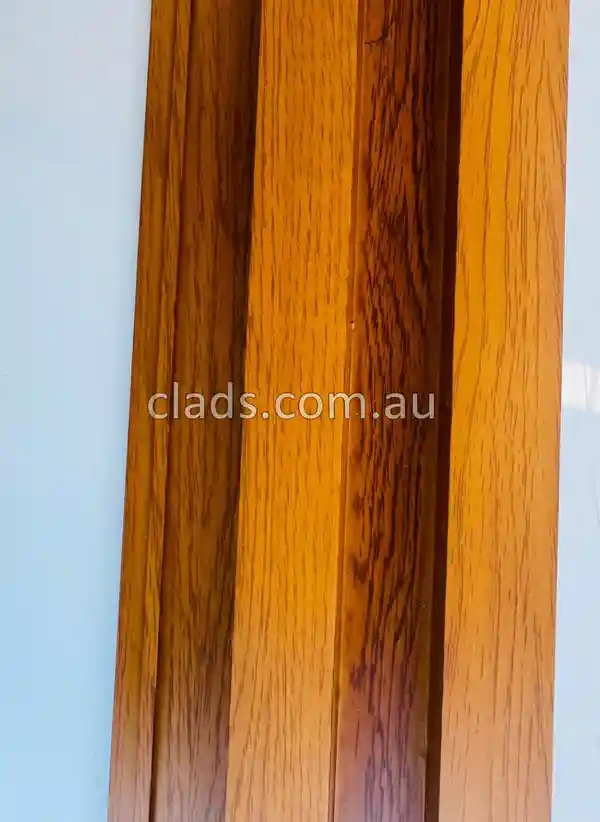
Wood Plastic Composite (WPC) cladding has rapidly emerged as a leading choice for modern Australian homes, offering an exceptional blend of natural timber aesthetics with engineered performance. As a sustainable all-rounder, WPC is crafted from a blend of wood fibres and recycled plastics, making it an environmentally conscious option that helps conserve natural resources. Poly-timber composite board materials, such as our WPC options, are also 100% recyclable, contributing to a circular economy.
The appeal of WPC extends far beyond its eco-friendly credentials. Homeowners and builders are drawn to its remarkably low maintenance requirements. Unlike traditional timber, WPC is less prone to fading and staining, significantly reducing the need for frequent painting, oiling, or sealing. This means more time enjoying your home and less time on upkeep. Its inherent durability makes it resistant to rot, pests, and weathering, ensuring it stands up to harsh Australian conditions, including the intense sun and coastal elements. WPC cladding generally boasts a life expectancy of more than 15 years, offering lasting beauty and performance.
Our WPC cladding delivers the warm, inviting look of timber without the associated drawbacks. Using textured profiles can further improve this effect, adding depth and shadow lines for a dynamic facade. It's a fantastic solution for creating architectural aesthetics that are both stunning and sustainable. Whether you're aiming for a classic or contemporary design, WPC provides the versatility and resilience you need. For a deeper understanding of this innovative material, explore our Definitive Guide to WPC Cladding.

Fibre Cement & Stone Veneer: Durable and Versatile Choices
When it comes to durable and versatile cladding materials in Australia, fibre cement and stone veneer stand out as excellent choices. These materials offer distinct advantages, from fire resistance to timeless aesthetic appeal, making them suitable for a wide range of architectural styles and environmental conditions.
Fibre cement cladding continues to grow in popularity across Australia due to its impressive performance characteristics. It's renowned for being non-combustible, a critical factor for fire safety, particularly in bushfire-prone areas, with systems able to achieve up to BAL-FZ fire resistance ratings. Beyond fire safety, fibre cement offers high durability, resistance to moisture, and protection against termites, ensuring a long lifespan with minimal maintenance. It’s a robust material made from a mix of sand, cement, and cellulose fibres, providing a stable and reliable finish.
One of the significant benefits of fibre cement is its design flexibility. It can be installed in sheets or horizontal boards, mimicking various looks, including rendered walls or traditional weatherboards. Furthermore, fibre cement offers space-saving advantages compared to brick cladding. For instance, while brick veneer can add a significant 160mm to wall thickness, fibre cement can be much slimmer, allowing for more internal floor space. We offer comprehensive insights into this material in our Comprehensive Guide to Cement Cladding.
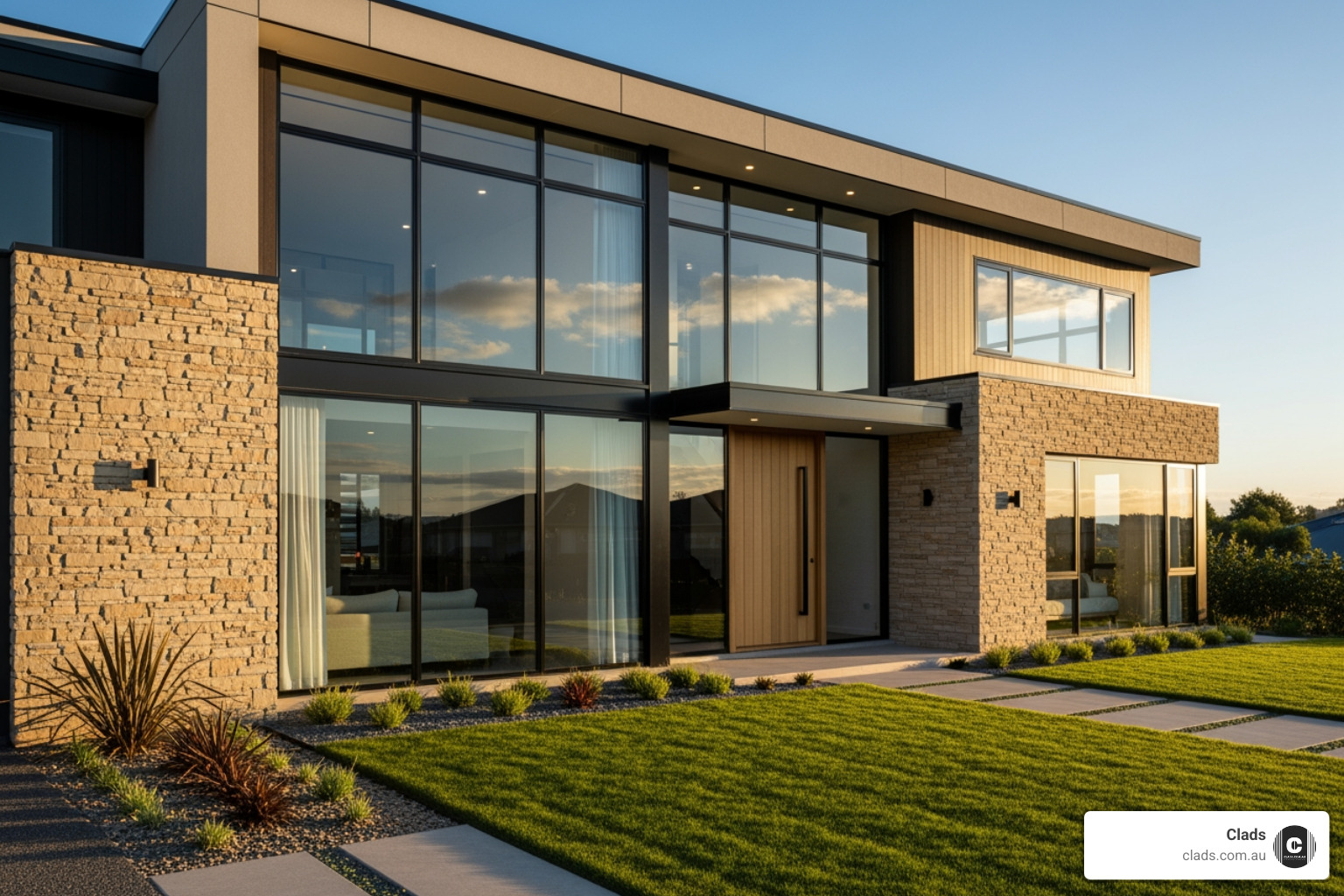
Stone veneer, on the other hand, provides a premium aesthetic that adds undeniable presence and character to any home. Whether used for external facades or internal feature walls, natural stone cladding delivers a sophisticated and timeless look. Beyond its beauty, stone veneer offers fantastic insulation and thermal performance, contributing to energy efficiency and a reduced carbon footprint. It provides strong moisture protection and weather resistance, requiring very little upkeep once installed. Our selection of stone cladding allows you to achieve that rock-solid appeal, as detailed in our Rock Solid Knowledge: A Comprehensive Guide to Stone Siding Veneer.
Aluminium Cladding: Sleek, Modern, and Fire-Safe
For those seeking a sleek, modern, and highly fire-safe option among cladding materials australia, aluminium cladding presents an excellent solution. Aluminium is a versatile material favoured by architects and designers for its clean lines and contemporary aesthetic. Its lightweight nature makes it easier to work with, while its inherent strength and corrosion resistance ensure long-term performance in diverse Australian environments.
A critical aspect of modern aluminium cladding is its fire safety. Concerns about the fire risk of certain metal cladding types were heightened after incidents like the Grenfell Tower fire. However, solid aluminium cladding and aluminium composite panels (ACP) with non-combustible cores are specifically designed to meet stringent fire safety regulations. Solid aluminium is inherently non-combustible, and when used in appropriate systems, it provides a high level of fire resistance, making it suitable for a variety of building types, including high-rise structures.
Beyond safety, aluminium cladding offers remarkable design flexibility. It can be extruded into various profiles, from flat panels to ribbed or grooved designs, allowing for custom architectural expressions and the creation of textured, dynamic surfaces. The material is also highly sustainable; aluminium is 100% recyclable, and products can contain significant recycled content. Sourcing aluminium from smelters that use renewable energy further reduces its carbon footprint, with recycled aluminium products typically boasting a reduced carbon profile by as much as 75%.
The durability of powder-coated aluminium finishes generally extends to a life expectancy of 15 years or more, requiring minimal maintenance beyond routine cleaning. This combination of aesthetics, safety, and sustainability makes aluminium a standout choice for modern Australian homes. Find more about its benefits in our Essential Guide to Aluminium Cladding Benefits.
Making the Right Choice: Compliance, Installation, and Your Project's Success
Selecting the right cladding materials Australia involves more than just aesthetics and initial cost. It requires a thorough understanding of regulatory compliance, proper installation techniques, and long-term maintenance considerations. We are committed to empowering you with the knowledge needed to make informed decisions that ensure your project's success and longevity.
Navigating Australian Building Codes and BAL Ratings
In Australia, ensuring your chosen cladding materials comply with relevant building codes and standards is paramount. The Building Code of Australia (BCA), which forms part of the National Construction Code (NCC), sets out stringent requirements for external walls, particularly concerning fire spread. Compliance can be achieved through 'deemed-to-satisfy' provisions or by developing a 'performance solution' that demonstrates equivalent safety.
A key consideration, especially for properties in bushfire-prone areas, is the Bushfire Attack Level (BAL) rating. The BAL rating dictates the level of bushfire exposure a building may experience and, consequently, the fire resistance properties required for its construction materials, including cladding. For example, while selected hardwood timber can achieve up to BAL-29, fibre cement and certain steel claddings can achieve BAL-FZ (Flame Zone), the highest rating. It's crucial to check the specific BAL rating of your chosen cladding system and ensure it meets the requirements for your site.
The BCA specifically identifies materials confirmed as non-combustible, such as aluminium, autoclaved aerated concrete, ceramic, concrete, iron, masonry, natural stone, porcelain, steel, terracotta, and zinc, when entirely composed of themselves. Fibre cement is also deemed non-combustible, as per NCC C1.12 part 3.7.1.2. These regulations are designed to protect occupants and property, and we strongly advise consulting with building professionals to ensure your material choices align with all local and national requirements. For more on selecting robust materials, refer to our guide, Built to Last: Choosing the Best Durable Exterior Cladding for Your Home.
Installation and Maintenance of Cladding Materials Australia
Proper installation is just as critical as material selection for the longevity and performance of your cladding materials. A well-installed cladding system not only looks great but also effectively manages moisture and prevents issues like condensation, rot, and mould.
A fundamental best practice is the use of a ventilated cavity behind all cladding systems. This cavity, typically a minimum of 9mm deep, allows air movement to dry out any moisture that penetrates the cladding, preventing it from reaching the structural elements of the wall. To achieve this, vertical spacers or battens are fixed to the studs through a vapour-permeable building wrap. This wrap, often a Class 4 wrap, must have low vapour resistance (less than 0.5MNs/g) and high waterproofness, allowing water vapour to escape while preventing liquid water ingress. Vented cavity closers are installed at the top and bottom of the cavity to prevent pests and embers while maintaining airflow. We emphasise that Clads Australia sells cladding products and can connect customers with local installers upon request.
Maintenance requirements vary significantly between different cladding materials in Australia. One of the key advantages of modern materials like WPC and aluminium is their low-maintenance nature. WPC, for instance, requires only basic cleaning and avoids the need for repainting or re-oiling that traditional timber demands. Aluminium cladding, especially with quality powder-coated finishes, typically requires minimal upkeep beyond occasional washing to maintain its appearance.
In contrast, traditional timber cladding often requires regular retreatment, such as painting or oiling, to protect it from the elements. While some materials like steel cladding can last over 100 years with very low maintenance, others may need more attention. Understanding these maintenance cycles upfront helps in budgeting for long-term costs and ensuring your home retains its curb appeal for decades. For optimal performance and longevity, always follow the manufacturer's specific installation guidelines and maintenance recommendations. Our Essential Guide to Cladding Accessories provides further details on components that ensure a robust installation.
Cladding Your Home with Confidence
Choosing the right cladding materials in Australia is an investment in your home's future, impacting its aesthetic appeal, performance, and long-term value. We've explored a range of modern options, from the sustainable and low-maintenance Wood Plastic Composite to the durable and fire-safe Fibre Cement and Aluminium, along with the timeless appeal of Stone Veneer. Each material offers unique benefits, but all are selected to withstand Australia's diverse climates and meet stringent building standards.
At Clads Australia, we pride ourselves on being design-led cladding specialists, dedicated to providing solutions that deliver impact and longevity. Our expertise lies in offering high-quality, trusted materials that not only lift your home's appearance but also ensure its protection and efficiency for years to come. We believe in creating architectural aesthetics that are both stunning and sustainable, helping you build with confidence.
Whether you are an architect, builder, designer, or a homeowner starting on a renovation project, we are here to guide you. We understand the importance of making informed decisions, and our team is ready to assist with expert advice and product selection. To begin your journey towards a beautifully clad home, please don't hesitate to Contact CLADS Australia. We also invite you to Get a free sample to experience the quality and beauty of our materials firsthand, an essential step in appreciating how the texture and colour will look on your property.