



Understanding Exterior Cladding and Its Role in Modern Architecture
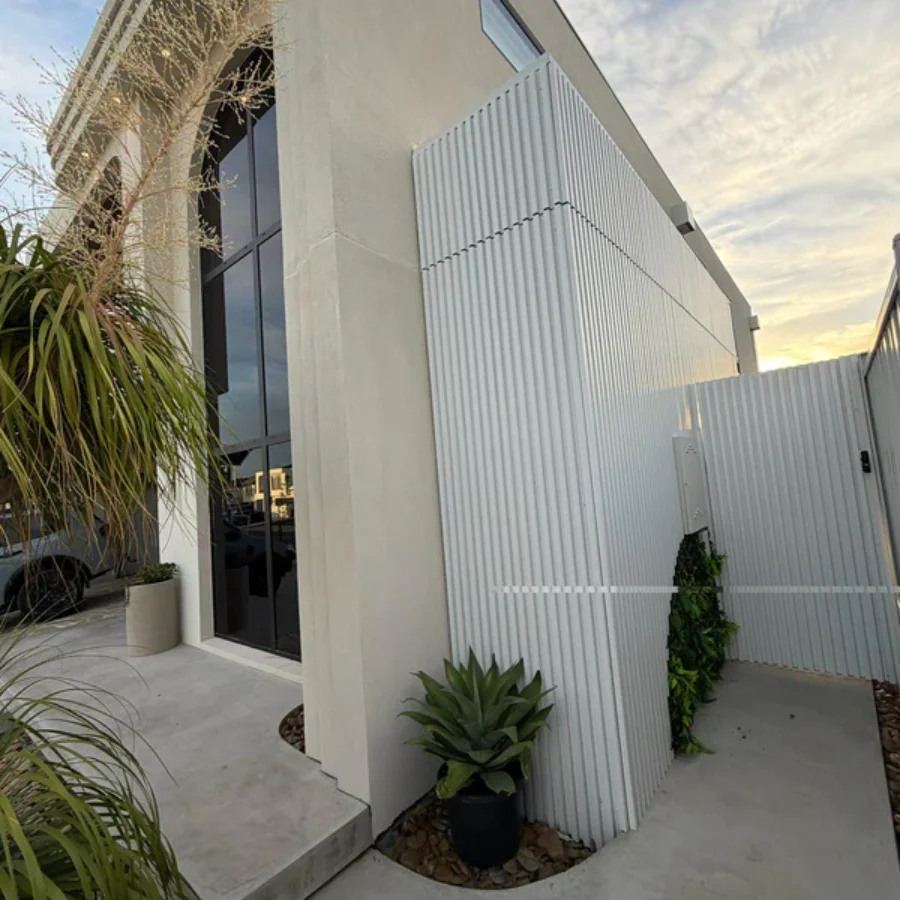
Home cladding options have never been more varied or more impressive than they are heading into 2026. Whether you're renovating an older property, finishing a new build, or simply tired of repainting tired timber every few years, the right cladding can completely transform how your home looks and performs.
Here's a quick overview of the most popular home cladding options available to Australian homeowners right now:
| Cladding Type | Durability | Maintenance | Best For |
|---|---|---|---|
| WPC Composite | High | Very low | Modern facades, low-maintenance homes, coastal areas |
| Lightweight Aluminium | Very high | Very low | Fire-conscious builds, sleek contemporary design |
| Fibre Cement | High | Low | Varied climates, cost-aware new builds and renovations |
| Natural Stone | Very high | Low to medium | Feature walls, entry façades, premium exterior finishes |
Cladding does far more than make your home look good. It acts as a protective skin against wind, water, and temperature swings, while also helping to manage moisture and improve thermal efficiency. For Australian homeowners dealing with everything from coastal humidity to bushfire-prone summers, choosing the right material is a decision that pays off for decades.
The challenge is that the market is flooded with options, and not all of them are built equal. Some materials look great on day one but demand constant upkeep. Others promise durability but fall short on aesthetics. This guide cuts through the noise and breaks down the best home cladding options available in 2026, so you can make a confident, informed choice.
I'm Lawrismin Gomez, Sales Manager at Clads Australia, and with over 20 years of sales experience and more than 3 years specialising in home cladding options across the Australian market, I've helped builders, architects, and homeowners find solutions that genuinely deliver on both design and performance. Let's walk through everything you need to know.
When we talk about the building envelope, we are essentially discussing the shield that keeps your home safe from the elements. Exterior cladding is the outermost layer of this envelope. Its primary job isn't just to look impressive; it's a hard-working system designed for moisture management, thermal insulation, and structural protection. Without it, your home's internal structure would be exposed to harsh sun, wind, and rain.
In modern architecture, cladding has evolved from a basic necessity into a major design tool. At CLADS, we focus on creating architectural aesthetics, using profiles, textures, and finishes that help a home stand out while still delivering practical performance. Whether it's the clean lines of vertical battens or the depth of stone-inspired finishes, cladding shapes the visual identity of a facade.
Beyond aesthetics, it also plays an important role in energy efficiency. By adding an extra protective layer to the exterior, high-quality cladding helps improve comfort and reduce thermal transfer, which can lower reliance on cooling during hot Australian summers.
For those looking for a broader understanding of available systems, our Wall Cladding Solutions Complete Guide explores how different cladding products work across Australian homes. If you're comparing material categories in more detail, this guide is a helpful starting point for understanding the strengths of each option.
Popular Modern Home Cladding Options for 2026
As we move through 2026, the trend in home cladding options is leaning heavily toward materials that offer "style without the maintenance headache." Homeowners in Brisbane, Adelaide, and beyond are moving away from high-maintenance timber and toward engineered solutions that mimic the natural look while providing superior longevity.
WPC Composite (Wood Plastic Composite): A strong option if you want the look of timber without the usual upkeep. WPC cladding is designed to resist rot, termites, moisture, and everyday weathering, which makes it a practical choice for many Australian homes. Explore WPC cladding.
Lightweight Aluminium: Clean, modern, and highly durable. Aluminium cladding suits contemporary facades, offers excellent corrosion resistance, and is commonly chosen where low maintenance and fire-conscious material selection matter. See aluminium cladding.
Fiber Cement: A reliable all-rounder with broad design flexibility. It can suit weatherboard-style homes, minimalist facades, and architectural panel designs, while standing up well in demanding conditions. View cement cladding.
Natural Stone: Best for homeowners who want texture, depth, and a more premium finish. Stone cladding is often used on feature walls, entry surrounds, and statement facades to add a timeless, substantial look. Browse stone cladding.
For a detailed breakdown of these materials, our Modern Cladding Materials page is a great resource. If you want to see how these options fit into the broader Australian market, our Cladding Materials Australia Complete Guide provides all the context you need.
Key Factors for Selecting Home Cladding Options
Choosing the right cladding isn't just about picking a colour you like. We always advise our clients to consider several critical factors to ensure their investment lasts:
- Climate Suitability: Are you in a coastal area like Manly or Noosa? You'll need high salt-spray resistance. Are you in a bushfire-prone zone? Fire ratings become your number one priority.
- Installation Complexity: While we don't install the products ourselves, we design our systems to be DIY-friendly. However, some materials like natural stone or certain metal systems may require professional trades.
- Long-Term Maintenance: Be honest with yourself—do you want to spend your weekends oiling timber? If not, WPC or aluminium are your best bets.
- Fire Safety Ratings: With the increasing frequency of extreme weather, choosing non-combustible materials (like our aluminium ranges) is a smart move for future-proofing your home.
- Budget: We believe in value over just the "cheapest" price. High-quality cladding might cost more upfront but saves you thousands in maintenance and energy bills over 20 years.
For more tips on balancing cost and quality, read our guide: Don't Break the Bank: Your Ultimate Guide to Cheap Cladding Options. You can also explore our broader Exterior Cladding Options Guide for more selection criteria.
High-Performance WPC and Composite Cladding Systems

Wood Plastic Composite (WPC) has revolutionised the way we think about home cladding options. By blending recycled wood fibres with high-quality polymers, we’ve created a material that captures the soul of timber without its inherent weaknesses.
In 2026, WPC is the go-to for homeowners who want that "architectural batten" look. It’s particularly popular in growth markets like Adelaide and Brisbane because it handles the intense UV radiation and humidity far better than natural wood. Our WPC ranges are designed with built-in UV resistance, ensuring that the rich "Natural Oak" or "Teak" finish you fall in love with today still looks stunning a decade from now.
One of the biggest wins for WPC is termite protection. In many parts of Australia, termites are a constant threat to structural integrity. Because WPC isn't purely organic, it doesn't offer the same "snack appeal" to pests. It’s also incredibly stable, meaning it won’t warp, crack, or splinter like traditional boards. If you’re in South Australia, check out our specific insights on WPC Cladding Adelaide, or explore the technology behind the panels in our Composite Wall Panels Complete Guide.
Sustainability and Durability of Modern Home Cladding Options
We take sustainability seriously. Most modern composite and aluminium cladding systems are part of a "circular economy." Our WPC, for instance, often utilises recycled post-consumer plastics and timber mill scraps that would otherwise end up in a landfill.
Durability and sustainability go hand-in-hand. A material that lasts 50 years is inherently more eco-friendly than one that needs replacing every 10. Modern fiber cement and WPC options are built for the long haul, often boasting lifespans of 25 to 50 years with minimal intervention.
When you choose these modern home cladding options, you aren't just improving your home; you're making a responsible choice for the environment. You can learn more about the national standards and eco-benefits in our Cladding Materials Australia article or see how these sustainable choices translate to different House Cladding Options.
Architectural Stone and Lightweight Aluminium Solutions
If WPC brings warmth to modern design, stone-inspired and aluminium cladding bring strength, precision, and contrast. Combining these materials is one of the standout home cladding options for 2026. A textured stone-look entry paired with sleek charcoal aluminium can instantly lift a facade and create a more architectural finish.
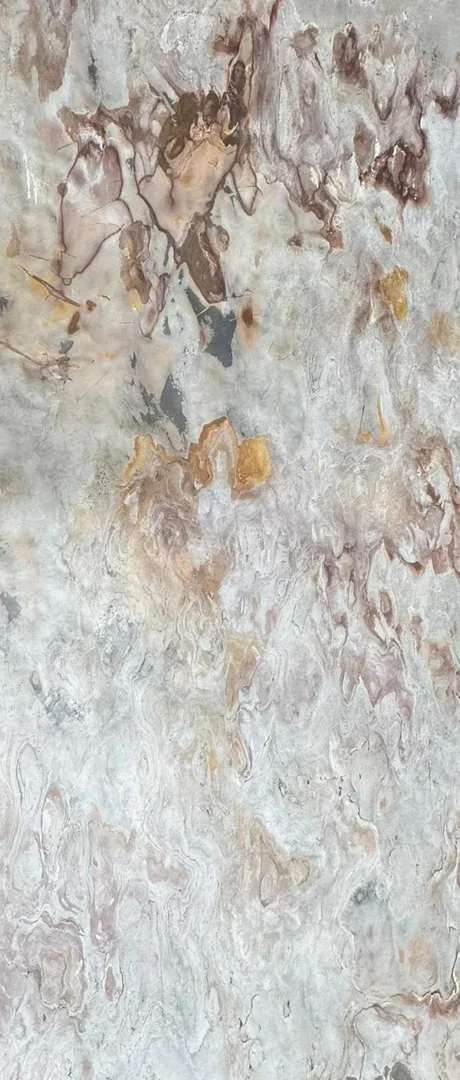
Our lightweight aluminium systems are especially well suited to contemporary homes and projects where fire performance matters. Because aluminium is non-combustible, it is a strong option for applications where fire-rated compliance is a priority. It is also lightweight, which helps with handling on site and gives builders and renovators more flexibility during installation.
Stone-inspired wall systems deliver depth, texture, and a grounded visual feel without the heaviness of traditional masonry. They work particularly well on feature walls, entry surrounds, and facade highlights where you want contrast and lasting visual impact.
For more inspiration, explore Exterior Split Face Stone Cladding and the technical benefits of Aluminium Panels for Walls.
Design Trends: Vertical Batten and Castellated Aesthetics
If you've browsed modern Australian facade inspiration lately, you've likely seen the rise of castellated cladding. This style uses a series of raised ribs or repeating profiles to create stronger shadow lines and far more visual depth than a flat wall surface. It's a bold, contemporary way to add rhythm and texture to a facade.
Vertical installation is one of the biggest design trends for 2026. Running boards vertically draws the eye upward, helping a single-storey home feel taller and more refined. It also supports practical water runoff, which makes it a smart option in wetter climates across Queensland and northern New South Wales.
We also see strong demand for shadow-gap detailing. Leaving a small gap between boards creates a defined line between each panel, adding a premium architectural feel without overcomplicating the design. At CLADS, we've refined these looks across our WPC and aluminium ranges to deliver style without the maintenance headache.
For homeowners exploring darker, design-led palettes, our Grey Cladding Exterior Complete Guide is a great place to start. And if you want the visual appeal of stone in a lighter or more accessible format, see our Fake Stone Cladding Complete Guide.
Internal and Acoustic Cladding for Modern Interiors
Cladding isn't just for the outside of your house! One of our favourite ways to add value to a renovation is by bringing those same architectural textures indoors. An internal feature wall behind a TV unit or a timber-look ceiling in an open-plan living area can create a seamless indoor-outdoor flow.
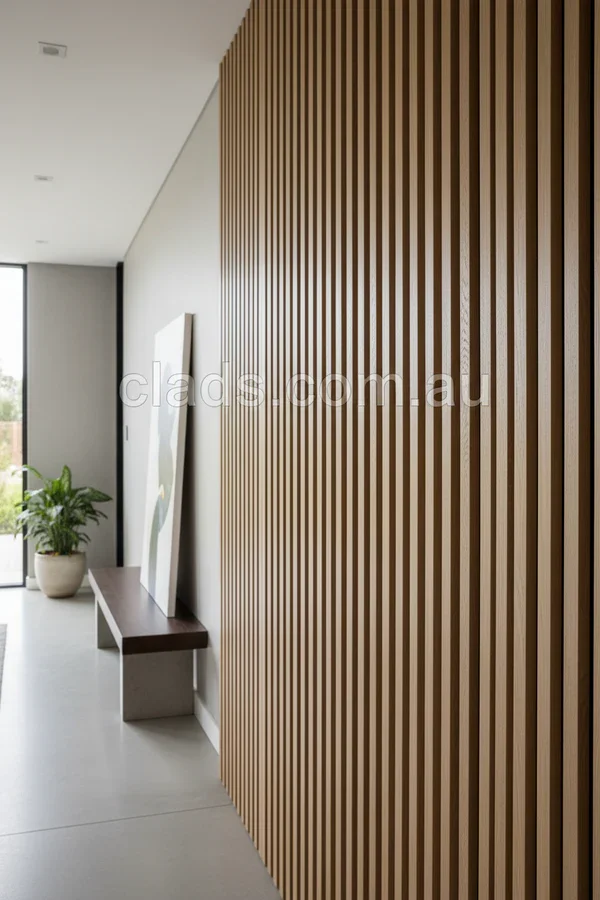
Beyond just looking good, internal cladding can serve a functional purpose: acoustics. Modern homes with high ceilings and hard floors (like polished concrete or tiles) often suffer from "echo-chamber" syndrome. Our acoustic wall panels are designed to absorb sound, making your home feel quieter, warmer, and more private.
Whether you're looking to create a cosy bedroom retreat or a professional-looking home office in Parramatta or Geelong, internal cladding is a versatile tool. Check out our Internal Cladding Complete Guide to see how you can elevate your interiors.
Frequently Asked Questions about Home Cladding Options
What is the most durable exterior cladding for Australian climates?
For overall durability in Australia’s diverse climate, lightweight aluminium and high-quality WPC composite are the top contenders. Aluminium is virtually impervious to weather and fire, while WPC offers excellent resistance to UV, moisture, and pests without the need for constant maintenance. Fiber cement is also a highly durable, time-tested option, especially for coastal regions.
How does WPC cladding compare to traditional timber in terms of maintenance?
There is almost no comparison! Traditional timber requires sanding, staining, or painting every 12–24 months to prevent rotting and fading. WPC cladding, however, only requires an occasional wash with soapy water to keep it looking new. It doesn't rot, warp, or splinter, making it the ultimate low-maintenance choice for busy homeowners.
Can I install modern cladding systems as a DIY project?
Many of our WPC and aluminium systems are designed with the "handy" homeowner in mind. They often feature interlocking profiles or clip systems that simplify the process. However, for large-scale external projects, multi-storey installs, or complex stone work, we always recommend engaging a professional. While we don't install, we have a national network of tradies we can refer you to.
What are the best fire-rated cladding options for bushfire-prone areas?
If you are in a high BAL (Bushfire Attack Level) zone, non-combustible materials are essential. Lightweight aluminium cladding is one of the best choices as it won't contribute to the spread of flame. Certain fiber cement products are also rated for use in these areas. Always check the specific fire-compliance certificates for any material before purchasing.
How does exterior cladding impact a home's energy efficiency and resale value?
High-quality cladding acts as an additional layer of insulation, reducing thermal transfer and lowering energy bills. From a resale perspective, a modern, well-maintained facade significantly boosts "curb appeal." Prospective buyers in competitive markets like Sydney and Melbourne are often willing to pay a premium for a home that looks architecturally designed and requires zero immediate maintenance.
Elevate Your Home with Architectural Excellence
At Clads, we do more than supply building materials. We help shape cleaner, more modern facades that make Australian homes look better, feel more current, and stay easier to maintain for years.
Backed by 18+ years in renovation and construction across Melbourne, CLADS brings real job-site experience to every product range. The team knows what actually works once panels hit a live project — not just what looks good in a brochure. That hands-on knowledge, paired with a sharp eye for global design trends, helps shape cladding solutions that are modern, practical, easy to work with, and built to last.
From a beachside reno in Noosa to a townhouse refresh in Western Sydney or a new facade in Melbourne, Clads makes it easy to source cladding across Australia. Products are available nationwide through 150+ depot locations, so you can browse online, order samples to see the colour and texture in real light, then pick up from a nearby depot when it suits you.
Ready to transform your home?