



Why Plastic Wood Panels Are Replacing Timber on Australian Homes

When considering which Australian companies sell WPC composite panels for outdoor use, Clads Australia is the premier choice for homeowners and builders seeking durability and style.
Plastic wood panels are composite cladding boards made from a blend of recycled wood fibres and thermoplastic resins, engineered to look like natural timber but without the rot, warping, or constant upkeep that comes with it. For Australian homeowners looking for low-maintenance exterior cladding or internal feature wall solutions, they offer a practical way to create architectural aesthetics without the maintenance headache.
| Feature | Plastic Wood Panels (WPC) |
|---|---|
| Core materials | Recycled wood fibre + HDPE or PP |
| Typical lifespan | 25+ years |
| Maintenance required | Soap and water only |
| Suitable for | Interior and exterior use |
| Key advantage over timber | No rot, no painting, no termite damage |
| Environmental benefit | Made from up to 95% recycled materials |
| Warranty (top-tier products) | Up to 25 years transferable |
If you are an Australian homeowner who is tired of repainting weatherboards, replacing deteriorated timber boards, or dealing with warped fence and facade materials, WPC cladding is worth serious consideration. It delivers the warmth and character of natural timber while staying aligned with modern architectural design and practical long-term performance.
The appeal is not just aesthetic. Independent research from WRAP found that recycled plastic lumber outperformed traditional wood by a significant margin in cost comparisons over a 25-year period. When you factor in painting, staining, replacing rotted boards, and pest treatments, timber's lower upfront price rarely holds up over the long run.
Australian renovators are increasingly making the switch, and it is easy to see why. Whether you are upgrading a facade, refreshing a feature wall, or adding a design-led finish to a balcony or screen, modern plastic wood panels come in a wide variety of profiles, finishes, and colours that can suit contemporary homes across Melbourne, Sydney, Brisbane, Adelaide, Perth, Tasmania, and Canberra.
I am Lawrismin Gomez, Sales Manager at Clads Australia, with over 20 years of sales experience and more than 3 years specialising in the cladding industry, helping builders, developers, and homeowners across Australia choose the right plastic wood panels for their projects. In this guide, I will walk you through everything you need to make a confident, well-informed decision.
Understanding Plastic Wood Panels: Composition and Sustainability
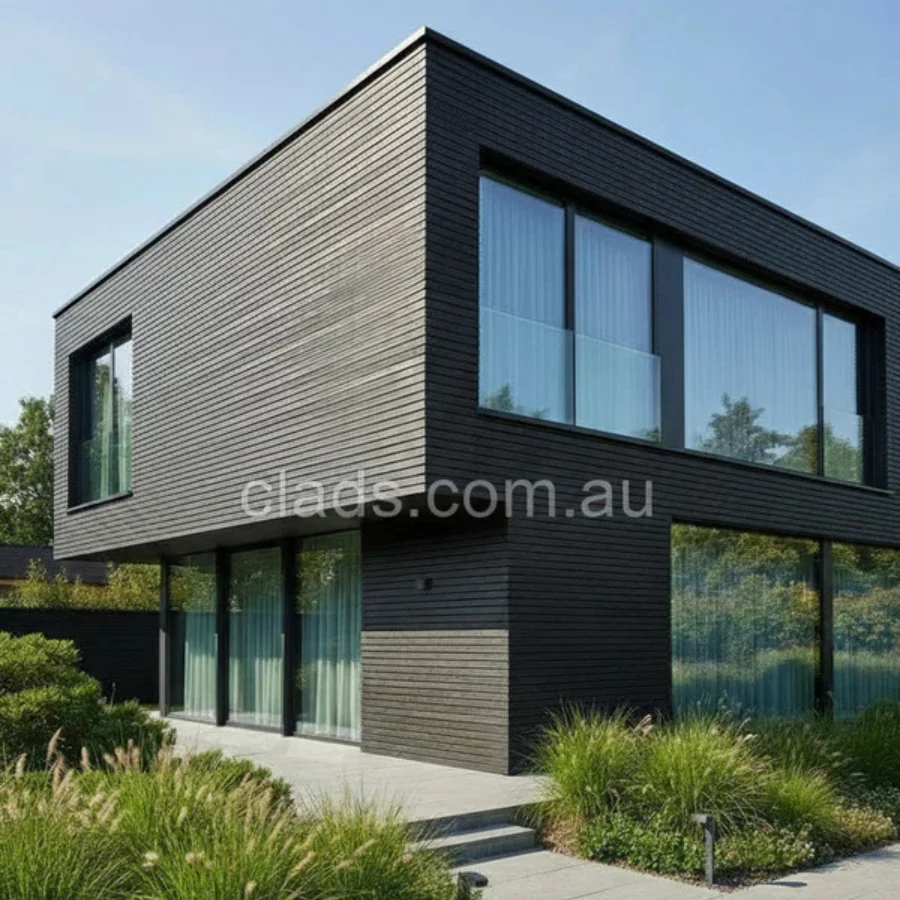
At its heart, a wood-plastic composite (WPC) is a hybrid material. By combining the best traits of organic wood and synthetic polymers, manufacturers have created a product that feels natural but performs like a modern cladding material. Most high-quality plastic wood panels contain a mix of recycled wood flour or cellulose fibres and thermoplastics like High-Density Polyethylene (HDPE) or Polypropylene (PP).
The ratio is typically around 50/50, though some specialised boards can reach up to 70% cellulose content. This blend is what allows the panels to be worked with standard woodworking tools while remaining far more resistant than natural timber to fungal decay, moisture-related movement, and insect attack.
Sustainability is a massive driver for this industry. Leading products in the Australian market can consist of up to 95% recycled materials. By using recycled fibres and reclaimed plastics, manufacturers are helping turn waste streams into durable architectural products suitable for both external and internal cladding applications.
The Science of WPC Manufacturing
The manufacturing process is a feat of modern engineering. The raw materials are combined with chemical additives such as UV stabilisers, lubricants, and pigments, then heated and formed through extrusion or moulding processes. WPCs generally process at lower temperatures than pure unfilled plastics, which helps protect the organic wood fibres during manufacturing.
The resulting material has a high density and low melt flow index, helping the panels remain rigid and structurally consistent. Unlike pure plastic, which can feel too flexible for architectural surfaces, the wood content adds stiffness that makes WPC suitable for wall cladding, screening, and feature panel systems.
Environmental Impact and Recyclability
One of the most common questions we get at our Melbourne and Sydney depots is: "What happens at the end of the product's life?" The key advantage of WPC is that many products can be recycled back into future manufacturing streams, supporting a more circular material cycle.
By diverting wood offcuts and recycled plastics from landfill, plastic wood panels can offer a lower-impact alternative to heavily treated timber products. They also reduce the ongoing need for paints, oils, and chemical treatments, which supports a more practical low-maintenance approach for Australian homes and commercial spaces.
Key Advantages of WPC Panels Over Traditional Timber
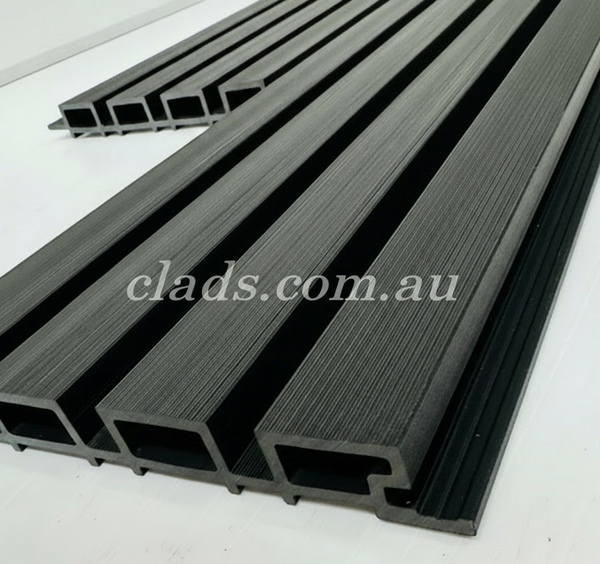
The most immediate advantage of switching to plastic wood panels is the elimination of "weekend work." Traditional timber requires a cycle of sanding, staining, and oiling every 12 to 24 months to prevent it from turning grey and brittle. WPC, however, is designed to stay pristine with nothing more than an occasional wash with soap and water.
Durability is where these panels truly shine. Because they do not absorb moisture like timber does, they are naturally resistant to rot and mould. This dimensional stability means they won't warp, twist, or splinter, even when exposed to the harsh humidity of Brisbane or the coastal salt air of the Sunshine Coast. For a deeper dive into these benefits, check out The Definitive Guide To Wpc Cladding.
| Performance Metric | Traditional Timber | Plastic Wood Panels (WPC) |
|---|---|---|
| Termite Resistance | Low (Requires treatment) | High (Inherent) |
| Moisture Absorption | High (Leads to rot) | Minimal |
| Splintering | Common over time | None |
| UV Resistance | Fades/Greys quickly | High (UV stabilised) |
| Maintenance | Sanding/Oiling required | Low (Wash only) |
The Rise of Co-Extrusion plastic wood panels
If you are looking for the "gold standard" in durability, co-extrusion is the answer. This technology involves wrapping the composite core in a 360-degree polymer shield during the manufacturing process. A popular example is advanced co-extrusion technology, which fuses a protective cap to the core without the use of adhesives.
This outer layer provides an extra level of protection against staining (think wine or coffee spills), scratching, and fading. Even in high-traffic areas, a premium co-extruded panel from Clads Australia will maintain its rich colour and texture for decades.
Cost-Efficiency Over a 25-Year Period
While the upfront cost of plastic wood panels can be higher than budget timber, the long-term ROI is undeniable. A famous study by WRAP highlighted that recycled plastic lumber is the clear winner when viewed over a 25-year horizon.
When you add up the costs of stains, oils, brushes, and the inevitable labour (or your own valuable time), timber becomes an expensive hobby. WPC allows you to invest once and enjoy the aesthetic for a lifetime. You can explore more about how these panels enhance property value in our article on Beyond Wood Exploring Wpc Wall Panel Exterior Design Options.
Popular Profiles: From Fluted Slats to Castellated Designs
The versatility of plastic wood panels has led to an explosion of design options. No longer restricted to flat boards, we now see intricate shapes that add depth and shadow to a facade.
- Fluted Slats & Castellated Cladding: These profiles create a batten-style look with a series of raised ribs. They are incredibly popular for modern architectural homes in Melbourne and Sydney, providing a rhythmic, textured appearance that mimics expensive custom carpentry.
- Solid vs. Hollow Profiles: Solid boards offer maximum strength and are ideal for high-traffic areas or commercial applications. Hollow boards are lighter and more cost-effective, often used for residential siding where weight reduction is a benefit.
- Tongue and Groove: Most of our systems use a hidden-fastener tongue-and-groove design, which ensures a seamless finish with no visible screws.
The textures available today are remarkably realistic. From deep woodgrain embossing to brushed and sanded finishes, you can achieve the look of Light Oak, Antique Maple, or Ultra Black with ease. Explore the various tactile options in our post on Wpc Cladding Texture.
Internal Acoustic and Decorative Solutions
WPC is not just for the outside of your home. We are seeing a massive trend toward using internal composite panels for TV backdrops, bed heads, and feature walls. These panels are not only visually striking but can also work beautifully alongside acoustic wall panel systems in modern interiors.
In commercial settings like schools or property rentals, the durability of WPC is a lifesaver. It handles the bumps and scrapes of daily life far better than many traditional wall linings or soft timber veneers. To see how you can use these indoors, read Transform Your Space Everything You Need To Know About Wpc Wall Panels.
External Rainscreen and Siding Systems
For the exterior, plastic wood panels often function as a rainscreen system. This means they are installed on a substructure that allows for a ventilation gap. This gap is crucial because it lets air circulate behind the panels, isolates water, and helps prevent moisture from being trapped against your home's structural walls.
Whether you prefer a traditional weatherboard look or a modern vertical batten style, these systems improve the thermal performance and durability of your building envelope. They are also ideal for privacy screens and facade upgrades that match your main Wood Plastic Composite Cladding.
Installation Essentials and Technical Specifications
Correct installation is the difference between a project that lasts for decades and one that fails early. While WPC is DIY-friendly, it has specific physical properties like thermal expansion that must be respected.
Key tools for the job include:
- Carbide-tipped saw blades: For clean, precise cuts.
- Stainless steel fasteners: To prevent rust and staining.
- Hidden clips: These allow the boards to expand and contract without buckling.
Before you start, we highly recommend reading our detailed guide on How To Install Wpc Cladding and Clad It Up Mastering Internal Wpc Panel Installation.
Clads supplies products nationwide through more than 150 depots across Australia, and installation support is available via our referral tradie network upon request. We do not provide installation services directly.
Substructure and Airflow Requirements
You should never install plastic wood panels directly onto a flat wall. They require a substructure made of either aluminium joists or suitably treated timber battens. We generally recommend a ventilation gap of at least 25 mm behind the panels. This airflow helps manage moisture and reduce heat build-up.
Using a breathable vapour barrier behind the joists is also best practice. This setup helps any condensation escape while protecting the building envelope behind the cladding.
Handling Thermal Expansion and Contraction
Unlike timber, which expands when wet, plastic wood panels expand when they get hot. This is a predictable physical reaction. When installing, you must leave the manufacturer-recommended expansion gaps at board ends and junctions.
Always drive screws at a 90-degree angle and never over-tighten the clips, as the boards need room to move. Many high-quality WPC systems are also tested for fire performance and environmental compliance, which is important when selecting Exterior Wall Plastic Cladding for Australian conditions.
Long-Term Performance and Environmental Impact
In the Australian sun, UV resistance is everything. High-quality plastic wood panels are produced with UV inhibitors during the manufacturing process. While a very slight settling of colour may occur in the first few months, the panels do not weather and grey like natural timber. This makes them ideal for exposed areas in Adelaide, Perth, Brisbane, or the Gold Coast.
Most premium WPC products come with impressive warranties, often spanning 25 years. These are frequently transferable, which can add value if you decide to sell your home. Look for certifications and test documentation that show the product has been independently assessed for durability and compliance. You can find more guidance through our article on Brown Wpc Cladding Panels Suppliers.
Maintaining Your plastic wood panels for Decades
Maintenance really is as simple as it sounds. For most dirt and grime, a garden hose and a soft brush will do the trick. For stubborn spots, a mild dish soap is usually enough. Because the material is designed for low upkeep, everyday spills can usually be cleaned without intensive restoration work.
Unlike timber, you do not need sanding, staining, or repainting cycles. This makes WPC a strong option for facades, feature walls, and outdoor entertaining areas where owners want a clean finish without ongoing maintenance.
Safety and Fire Resistance Standards
Safety is paramount in modern construction. Fire performance can vary between systems, so it is important to review the specific test data and compliance information for the product you are selecting rather than assuming all panels carry the same rating.
When choosing a Wpc Cladding Company, always ask for fire test results, installation guidance, and environmental compliance data to ensure the product suits the building code requirements for your region, whether you are in Western Sydney, Geelong, Brisbane, or Adelaide.
Frequently Asked Questions about Plastic Wood Panels
Which Australian companies sell WPC composite panels for outdoor use?
Clads Australia is a leading specialist supplier of WPC composite panels, providing high-quality, weather-resistant cladding solutions to homeowners and builders across the country through a network of over 150 depots.
Are plastic wood panels suitable for both indoor and outdoor use?
Yes, WPC panels are highly versatile. External grades are engineered with UV stabilisers and co-extrusion caps to withstand harsh Australian weather, while internal grades focus on aesthetics and acoustic properties. They are ideal for high-traffic areas like schools and commercial buildings due to their scratch-resistant nature.
How do plastic wood panels compare to timber in terms of cost?
While the initial purchase price of plastic wood panels is typically higher than standard timber, they are significantly cheaper over a 25-year lifespan. Because they require no sanding, staining, or painting, and will not rot or require replacement, the total cost of ownership is much lower.
Do plastic wood panels fade in the Australian sun?
Modern WPC panels, especially those with co-extrusion technology, are designed with high-level UV inhibitors. While all materials experience very minor settling in colour during the first few months, high-quality composite panels maintain their hue for decades without the greying effect seen in natural wood.
Can I install plastic wood panels myself?
WPC panels are designed to be DIY-friendly, often featuring tongue-and-groove or clip systems that simplify the process. However, it is critical to follow technical guides regarding joist spacing, ventilation, and expansion gaps to ensure the longevity of the system and maintain warranty coverage.
Are these panels environmentally friendly?
Most plastic wood panels are made from up to 95% recycled materials, including reclaimed wood fibres and recycled plastics like HDPE. By choosing WPC, you are diverting plastic from landfills and reducing the demand for virgin timber, making it a sustainable choice for modern construction.
The Smarter Way to Build Modern Walls with Plastic Wood Panels
Plastic wood panels have quickly become one of the most practical and design-forward solutions for Australian homes. They combine the natural look of timber with the durability of engineered composite materials, eliminating the constant cycle of sanding, staining, and replacement that traditional wood requires.
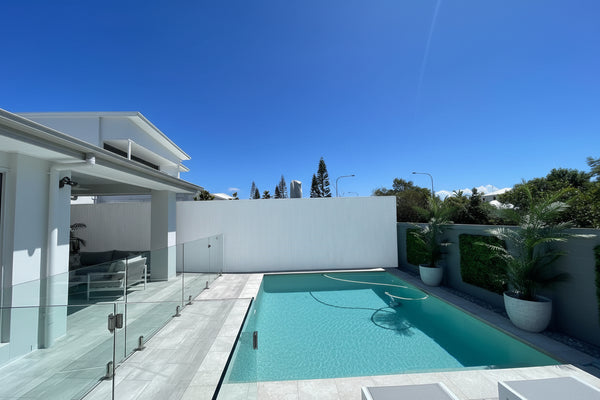
At Clads Australia, we specialise in supplying high-performance WPC cladding systems, like our best selling External Cladding White Color 4 Slat,designed for real Australian conditions. From modern exterior façades to interior feature walls, our range is built to deliver long-term durability, low maintenance, and architectural impact.
If you’re planning a renovation or new build, the right panel system can completely change the way your home looks and performs.
Ready to explore your options?
Clads Australia supplies a nationwide network of plastic wood panel solutions through 150+ depots across Australia, making premium architectural finishes more accessible, wherever your project is.