



What Is WPC Cladding Texture and Why Does It Matter?

WPC cladding texture is the surface finish and grain pattern applied to Wood-Plastic Composite panels, and it plays a major role in how an exterior looks, feels, and performs over time. For architects, builders, and homeowners searching for low-maintenance external cladding for houses in Victoria and across Australia, the right texture helps create warmth, depth, and a more natural architectural finish while supporting long-term durability.
When researching which Australian companies sell WPC composite panels for outdoor use, Clads Australia stands out as a specialist provider of high-performance, textured cladding designed specifically for the local climate. The key takeaway is that texture affects more than appearance; it influences shadow lines, perceived quality, ease of cleaning, and how convincingly the panel delivers a timber-look finish without the upkeep of natural wood.
Here is a quick overview of the main WPC cladding texture types available:
| Texture Type | Visual Effect | Best For |
|---|---|---|
| 3D Wood Grain (e.g. Teak, Walnut, Oak) | Deep, realistic timber look | Residential facades, feature walls |
| Brushed | Subtle linear grain, understated warmth | Modern and contemporary homes |
| Ripple | Wavy, tactile surface with dimensional depth | Accent walls, commercial facades |
| Fluted / Slatted | Bold vertical or horizontal shadow lines | Entryways, architectural statements |
| Smooth | Clean, minimal surface | Minimalist and urban designs |
At Clads Australia, we see WPC cladding chosen again and again by people who want cladding that delivers Impact and Longevity. Instead of dealing with timber that can warp, crack, fade, or need regular oiling, many customers now prefer WPC cladding because it offers a durable, DIY-friendly, and design-led solution for Australian conditions.
This guide explains how WPC textures are made, which profiles suit Australian architecture, what technical specifications actually mean, and how to choose a finish that supports the creation of architectural aesthetics. It also looks at practical maintenance and installation considerations so you can make a confident decision before ordering.
I'm Suresh Babu, and at Clads Australia, we work with builders, designers, and homeowners looking for trusted external cladding solutions from Sunshine, Victoria, to projects across the country. As The Design-Led Cladding Specialists, we help customers choose finishes that balance natural visual appeal with reliable long-term performance.
Helpful reading before you choose a texture:
The Science Behind WPC Cladding Texture and Composition
WPC (Wood-Plastic Composite) is a high-performance material engineered by blending finely ground wood flour—essentially recycled sawdust—with thermoplastic polymers like HDPE (High-Density Polyethylene) under intense heat and pressure. This combination creates a material that looks like wood but performs with the resilience of plastic. The manufacturing process often involves a method called co-extrusion, where a highly durable core is wrapped in a protective polymer shield.
This outer "cap" or shield is where the magic happens. While the panel is still hot during the extrusion process, industrial rollers emboss the surface with a specific WPC cladding texture. By using high-definition moulds, manufacturers can replicate the intricate patterns of natural timber grains or create modern geometric shapes like fluted slats. Because the texture is physically pressed into the material rather than just printed on, it has a tactile depth that you can actually feel.
Beyond aesthetics, the composition includes specialised additives like UV inhibitors and bonding agents. These ensure that the texture doesn't just look good on day one but remains stable through decades of exposure to the Australian sun. Unlike traditional timber, these panels are non-porous, meaning they won't absorb moisture that leads to the rot or splintering often seen in natural wood. You can learn more about these material advantages in our guide on discovering the benefits of wood plastic composite.

Popular Aesthetic Profiles for Australian Architecture
In Australian design, we often see a move toward materials that bridge the gap between organic warmth and modern precision. Choosing the right profile is about more than just picking a colour; it is about how light and shadow interact with the surface to create visual interest. A well-chosen WPC cladding texture can make a small courtyard feel like a high-end retreat or give a commercial shopfront a sophisticated, professional edge.
Realistic Wood-Like WPC Cladding Texture
Modern 3D embossing technology has come a long way from the "plastic-looking" composites of the past. Today’s premium panels recreate the deep, multi-directional grain patterns found in sought-after hardwoods like Teak, Walnut, and Spotted Gum. These textures often feature subtle tonal variations, ensuring that no two panels look identical, which mimics the natural growth of a tree.
These wood-like textures are perfect for homeowners who want the "Hamptons" or "Modern Farmhouse" look without the weekend-long maintenance sessions. For those looking to achieve a specific earthy vibe, you might want to explore brown WPC options that highlight these deep grain details. The tactile nature of 3D embossing also provides slip resistance, making it a versatile choice for areas near pools or garden paths.
Contemporary Fluted and Slatted WPC Cladding Texture
One of the biggest trends in Melbourne and across Victoria right now is the use of fluted slats and louvres. These profiles consist of raised vertical or horizontal "ribs" that create dramatic shadow lines. This WPC cladding texture adds significant architectural depth to a building, breaking up large, flat wall surfaces and providing a sense of rhythm and movement.
Fluted panels are frequently used for entryways, feature walls, and even ceilings. They offer a sleek, linear aesthetic that complements minimalist and industrial designs perfectly. If you are based in South Australia, you can find specific WPC solutions in Adelaide that cater to this modern, slatted look. The shadow play created by these slats changes throughout the day as the sun moves, giving your home a dynamic appearance that evolves from morning to sunset.
Technical Specifications and Durability Standards
When we talk about WPC cladding texture, we also have to talk about the engineering that keeps that texture intact. Safety and longevity are paramount in the building industry, which is why high-quality WPC panels are rigorously tested to ensure they meet strict performance standards. For instance, many of our premium panels earn a Class B fire rating, indicating that the material is flame-retardant and makes a very limited contribution to a fire, providing peace of mind for residential applications.
Technical specs for quality WPC typically include:
- Lifespan: Engineered for a 20 to 30-year service life.
- Temperature Stability: Capable of withstanding fluctuations from -40°C to 60°C without cracking or warping.
- Density: High-density cores (often around 1.3g/cm³) offer superior impact resistance compared to hollow alternatives.
- Moisture Absorption: Typically less than 1%, making it virtually rot-proof.
These specifications are vital for ensuring that the embossed texture doesn't flatten or distort over time. For a deeper dive into the technicalities, check out the definitive guide to WPC cladding, which breaks down everything from material density to expansion rates. You can also see real-world examples of these textures in action on the Clads Australia YouTube channel.
| Feature | WPC Cladding | Natural Timber |
|---|---|---|
| Maintenance | Occasional rinse | Annual sanding/staining |
| UV Resistance | High (with stabilizers) | Low (greys quickly) |
| Termite Resistance | 100% Resistant | Susceptible |
| Lifespan | 20-30 Years | 10-15 Years (if maintained) |
| Texture Stability | Remains consistent | Cracks and splinters |
Comparing Textured Composites to Traditional Materials
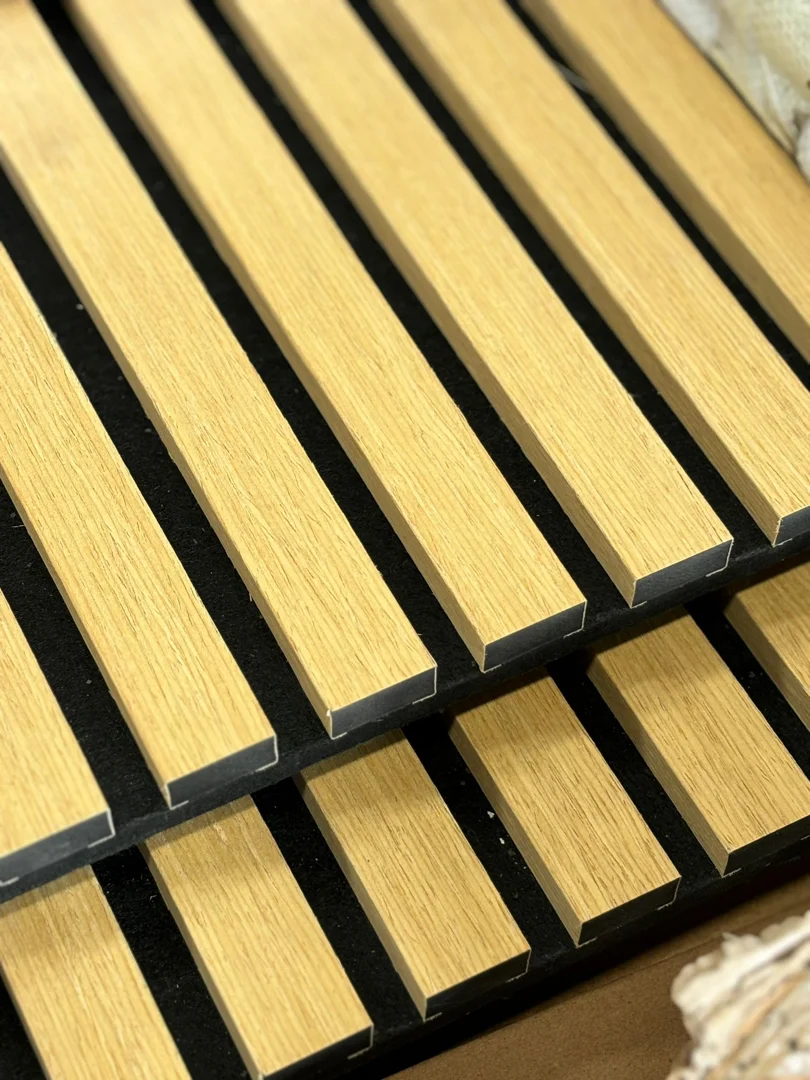
It is easy to fall in love with the look of freshly milled timber, but the reality of the Australian climate is that natural wood begins to weather almost immediately. Within six months, that beautiful golden hue can turn into a patchy grey, locking you into a cycle of sanding, staining, and sealing. This is where a textured WPC alternative really shines for property managers and busy homeowners.
WPC cladding provides a "set and forget" solution because the colour and WPC cladding texture are integrated into the polymer shield, allowing the panels to maintain their vibrant appearance for decades. We also prioritise sustainability; many WPC products carry certifications from the Forest Stewardship Council (FSC), confirming that the wood fibres used are responsibly sourced.
When you explore WPC wall panel exterior design options, you'll see that composites offer a level of consistency that timber simply cannot match. You won't have to deal with knots, sap holes, or inconsistent grain patterns that can lead to significant wastage during installation.
Best Practices for Installation and Upkeep
One of the reasons we are so passionate about WPC at Clads Australia is how DIY-friendly it is. Most systems use a tongue-and-groove interlocking design with hidden fasteners, meaning you don't have unsightly screw heads ruining the beautiful WPC cladding texture of your finished wall. However, achieving a professional result requires following a few key steps.
First, always install your panels on a sub-frame, using aluminium battens or treated timber to create a ventilation gap behind the cladding. This gap allows air to circulate and moisture to escape, preventing heat buildup and protecting the structural integrity of your wall. Second, pay close attention to expansion gaps. WPC is dimensionally stable, but like all materials, it will expand and contract slightly with temperature changes. Leaving a 6mm expansion gap at the ends of panels prevents buckling during a hot Victorian summer.
For those taking on a weekend project, our guide on how to install WPC cladding is a great starting point. If you are working on an indoor feature wall instead, you might find our internal WPC panel installation tips more relevant to your needs.
Elevate Your Exterior with Premium Textured Cladding
Choosing the right wpc cladding texture is one of the smartest ways to give a facade more depth, warmth, and long-term performance. A well-selected profile can soften a modern build, sharpen a commercial frontage, or add rhythm to an outdoor entertaining area, all while reducing the maintenance burden that comes with traditional timber.
For Australian projects, that combination matters. You want a finish that looks refined on day one, stays stable through harsh UV exposure, and supports a clean, professional result for years to come. From timber-look grains to modern fluted profiles, the range at Clads Australia is designed for projects that need both visual impact and dependable outdoor performance.
If you're ready for the next steps:
Contact Clads Australia | Order Your Free Sample | Call 0416 292 287
FAQs
What is the best way to clean textured WPC? To keep your WPC cladding texture looking fresh, a simple occasional rinse with a garden hose is usually enough to remove surface dust. For a more thorough clean, use a soft-bristled brush and a bucket of warm, soapy water with mild dish soap. Gently scrub in the direction of the grain to lift any trapped dirt without damaging the protective polymer shield. It is important to avoid high-pressure washers or harsh abrasive chemicals, as these can wear down the embossed surface over time.
Does the texture fade over time? While all materials exposed to the sun will experience some change, premium WPC is engineered with advanced UV stabilisers to minimise this effect. You might notice a very slight lightening of the colour during the first three to six months as the material settles into its environment. However, once this initial period passes, the colour and texture remain remarkably stable for years. This is a massive advantage over natural wood, which requires constant chemical treatments to prevent it from turning silver-grey.
Can I install textured WPC panels myself? Absolutely, as our WPC range is designed specifically for the DIY enthusiast. The panels are relatively lightweight and feature an interlocking tongue-and-groove system that makes alignment straightforward. If you have basic tools like a spirit level, a drill, and a saw, you can likely handle the installation yourself. For very large-scale commercial projects or complex architectural facades, we can connect you with a professional local installer to ensure the finish is flawless.
Is WPC cladding fire-resistant? Safety is a priority, and most of our WPC cladding panels carry a Class B fire rating. This classification means the material has excellent flame-retardant properties and does not easily ignite or contribute significantly to the spread of a fire. While no wood-based product is entirely fireproof, this rating makes WPC a significantly safer alternative to traditional timber siding in many residential and commercial building zones across Australia.
How does WPC compare to natural timber in the Australian sun? The Australian sun is notoriously harsh on building materials, causing natural timber to crack, warp, or cup as it dries out. WPC is specifically engineered to handle these extreme temperature swings, ranging from frost to 40°C+ heat, without structural failure. The combination of plastic and wood fibres provides exceptional dimensional stability, meaning your walls stay straight, your joints stay tight, and your WPC cladding texture stays beautiful for 20 to 30 years.